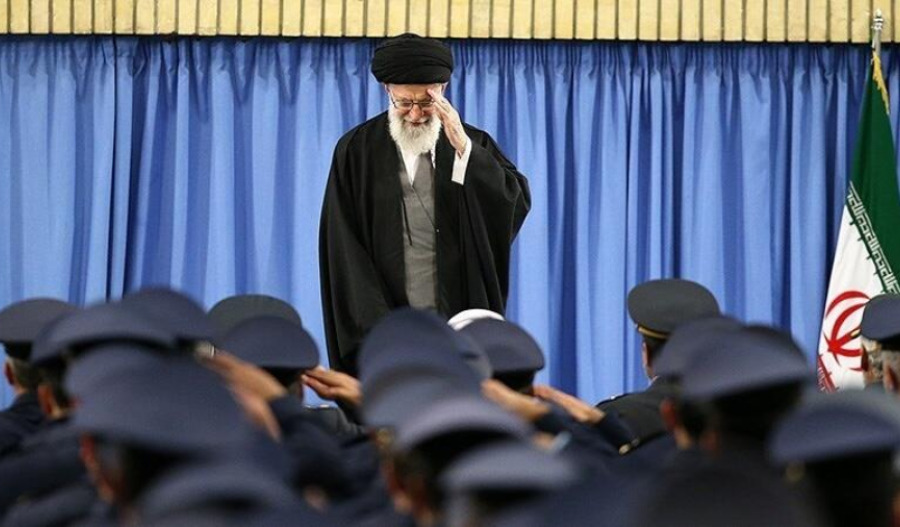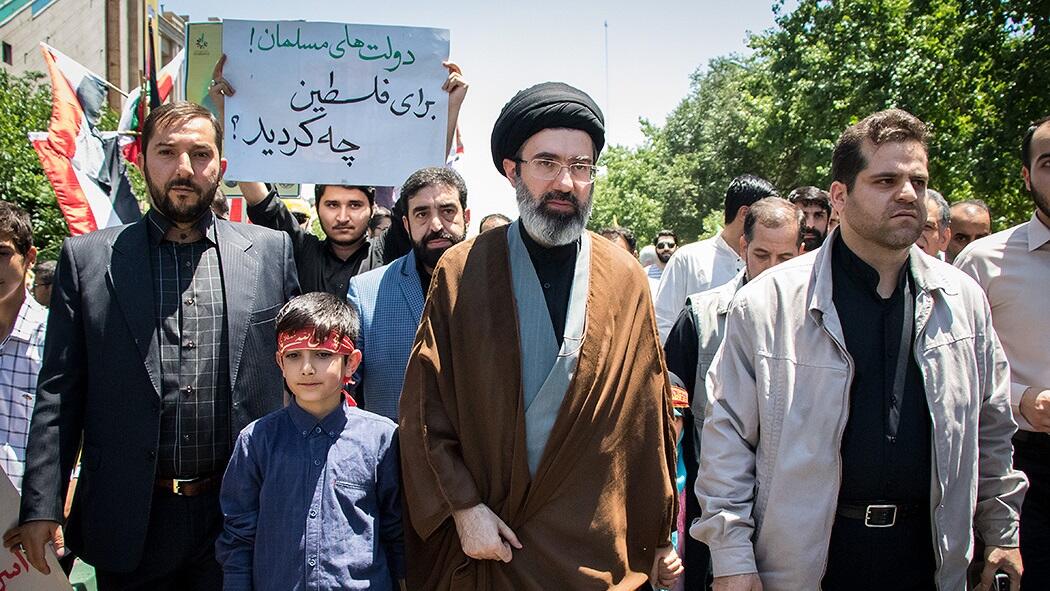
Iran has appointed Mojtaba Khamenei as the country’s new supreme leader, according to reports from Iranian state media cited by international outlets including Reuters.
The appointment was confirmed early Sunday by the Assembly of Experts, an 88-member clerical body responsible for selecting Iran’s supreme leader following the death of Ali Khamenei.
"By a decisive vote, the Assembly of Experts, appointed Ayatollah Seyyed Mojtaba Hosseini Khamenei as the third Leader of the sacred system of the Islamic Republic of Iran," the assembly said in a statement issued just after midnight Tehran time.
Mojtaba Khamenei, a mid-ranking cleric with strong ties to Iran’s security apparatus and extensive business networks associated with his father, had long been considered a leading contender for the position.
His elevation places him in direct control of the Islamic Revolutionary Guard Corps (IRGC) and other powerful security institutions, ensuring that hardline factions retain influence over the Iranian state.
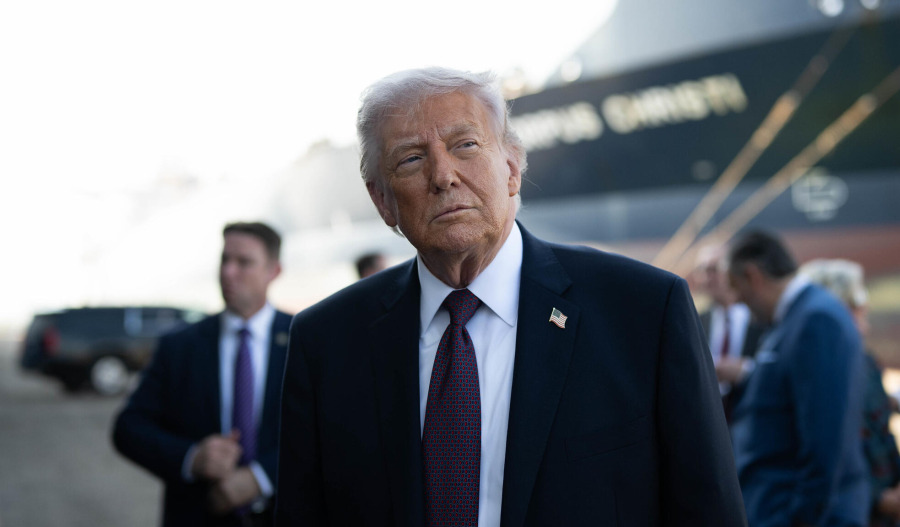
The decision also risks heightening tensions with the United States. President Donald Trump had previously warned that Washington expected to have a role in the approval of Iran’s next leader, issuing strong remarks ahead of the leadership decision.
“He’s going to have to get approval from us,” Trump told ABC News on Sunday. “If he doesn’t get approval from us he’s not going to last long. We want to make sure that we don’t have to go back every 10 years, when you don’t have a president like me that’s not going to do it.”
Israel also issued a stark warning following the leadership announcement. The Israel Defense Forces, which are conducting military operations against Iran alongside the United States, said they would continue to target individuals involved in the succession process.
“We warn all those who intend to participate in the successor selection meeting that we will not hesitate to target you either. This is a warning!” the IDF said in a post written in Farsi on the social media platform X.
Meanwhile, the human toll from the conflict continued to mount. The U.S. military confirmed that a seventh American service member had died from injuries sustained during Iran’s initial counterattack a week earlier.
The announcement came a day after President Trump presided over the return of the remains of six other U.S. personnel killed in the same assault.
Iran’s ambassador to the United Nations said U.S. and Israeli strikes have killed at least 1,332 Iranian civilians and wounded thousands more since the fighting began.
The conflict entered its ninth day on Sunday with renewed attacks across the region. Residents in Tehran reported thick black smoke over the capital following strikes on oil storage facilities that illuminated the night sky with large flames.
Iran’s foreign ministry condemned the attacks, accusing the United States and Israel of escalating the war.
Iranian foreign ministry spokesperson Esmaeil Baghaei described the strikes as a "dangerous new phase" in the conflict and said they constituted a war crime.
"By targeting fuel depots, the aggressors are releasing hazardous materials and toxic substances into the air," he wrote in a message posted on X.
Regional tensions have also spread across the Gulf as Iran retaliates against U.S. and Israeli allies.

The United Arab Emirates said its air defence systems were actively responding to incoming missiles and drones launched from Iran.
“UAE air defences are currently responding to incoming missile and drone threats from Iran,” the country’s Ministry of Defense said in a post on X.
Authorities said air defence systems were intercepting ballistic missiles while fighter aircraft engaged drones and so-called loitering munitions.
Since the conflict began on 28 February, Iran has targeted radar and air defence facilities across the region, including sites in Qatar, the UAE, Jordan, Bahrain, Kuwait and Saudi Arabia, according to reports citing U.S. officials, military analysts and satellite imagery.
Civilian infrastructure has also been affected. Bahrain said a drone strike hit a water desalination plant, though authorities reported no disruption to the country’s water supply.
“Iranian aggression indiscriminately attacked civilian targets and caused material damage to a water desalination plant following a drone attack,” Bahrain’s Ministry of Interior said in a post on X.
In a statement, Bahrain’s electricity and water authority said the “Iranian attack on a water desalination facility has had no impact on water supplies or water network capacity”.
Officials also reported that debris from intercepted missiles damaged a university building in the Muharraq area, injuring three people.
Israeli and U.S. military operations continued over the weekend, targeting Iranian military infrastructure.
Israel said its forces struck multiple fuel storage facilities belonging to the IRGC.
The Israeli military also said it targeted “key commanders in the IRGC’s Quds Force’s Lebanon Corps who operated in Beirut”.
The conflict has had a dramatic impact on global energy markets, particularly due to disruptions in the Persian Gulf.
Shipping through the Strait of Hormuz — a critical maritime corridor responsible for transporting about 20% of global oil supply — has been effectively halted, severely constraining exports from several major producers.
Iraq’s oil production has reportedly dropped by around 70% since the war began, falling to roughly 1.3 million barrels per day from about 4.3 million barrels before the conflict. Kuwait has also significantly reduced its output.
The supply disruption has pushed oil prices sharply higher. U.S. crude has surged above $91 per barrel, while the global Brent benchmark has climbed past $92 per barrel.
U.S. Energy Secretary Chris Wright attempted to reassure the public that the price spike would be temporary.
“We believe this is a small price to pay to get to a world where energy prices will return back to where they were,” Wright said in an interview on Fox News Sunday. “Iran will finally be defanged, and now you can see more investment, more free flow of trade, less ability to threaten energy supplies.”