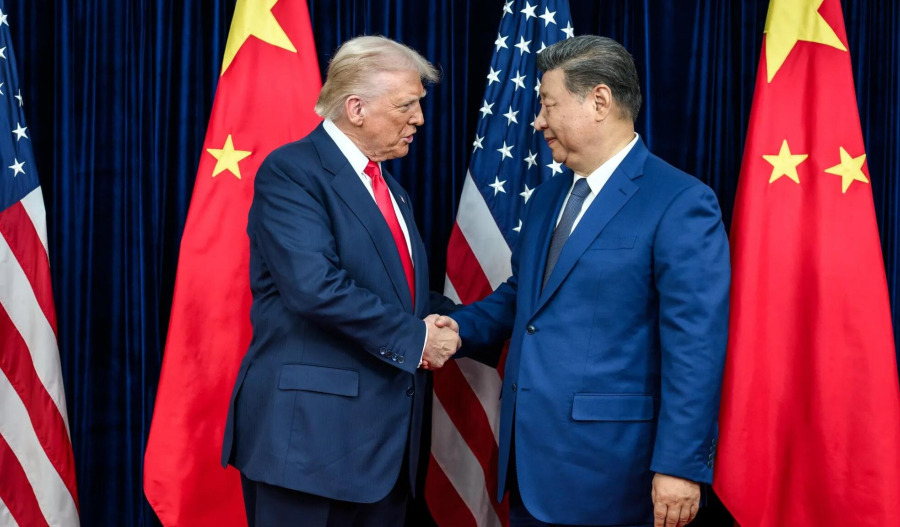

Gold prices edged lower during Asian trading on Wednesday, extending losses from three-week highs reached in the previous session as investors locked in profits ahead of a closely watched meeting between United States President Donald Trump and Chinese President Xi Jinping, while the U.S. dollar lifted following a stronger-than-expected inflation reading.
By 4 pm AEST (6 am GMT), spot gold was trading 0.2% lower at US$4,706.46 per ounce after briefly touching a three-week high of $4,773.54 on Tuesday.
The precious metal came under pressure as renewed safe-haven demand for the U.S. dollar and higher U.S. Treasury yields reduced appetite for non-yielding assets such as gold.
The U.S. dollar strengthened following hotter-than-expected U.S. inflation data and fading optimism surrounding a potential peace agreement between the U.S. and Iran.
Data released on Tuesday showed the U.S. consumer price index (CPI) rose 3.8% in the 12 months to April, marking the largest annual increase since May 2023 as rising oil prices linked to the Iran conflict pushed inflation higher.
The stronger inflation reading reinforced expectations that the Federal Reserve may keep interest rates elevated for longer, with markets increasingly pricing in the possibility of another rate hike later this year.

Gold prices also faced pressure from developments in India, one of the world’s largest gold importers.
Indian Prime Minister Narendra Modi urged citizens on Sunday to avoid purchasing gold for the next year in an effort to help preserve the country’s foreign exchange reserves.
The Indian government also announced on Wednesday that import tariffs on gold and silver would increase to 15% from 6%, aiming to reduce pressure on foreign exchange reserves amid rising commodity costs.
Investors also remained cautious ahead of the Trump-Xi summit scheduled for later this week in Beijing.
Trump said trade discussions would take priority during the meeting with Xi, rather than negotiations relating to Iran, further reducing expectations that the talks could help ease geopolitical tensions in the Middle East.
Market participants are now awaiting the release of the U.S. producer price index (PPI) later in the North American session, with the inflation report expected to provide further direction for interest rate expectations and currency markets.