Gold prices retreated during Monday's Asian trading session as the United States dollar index (DXY) ticked higher, as investors increased bets that the Federal Reserve could keep monetary policy tighter for longer amid persistent inflation concerns.
By 3:40 pm AEST (5:40 am GMT), spot gold was down 0.6% at US$4,517.00 an ounce, pulling back from a two-week high while remaining above the key $4,500 psychological level.
The decline came as the DXY attracted fresh buying interest, reducing demand for non-yielding assets such as gold.
Despite the pullback, geopolitical tensions continued to provide some support for the precious metal as traders monitored developments in negotiations between the United States and Iran.
Efforts to secure a broader agreement remain complicated by disagreements over Iran's nuclear programme and the future of the Strait of Hormuz, a critical global energy shipping route.
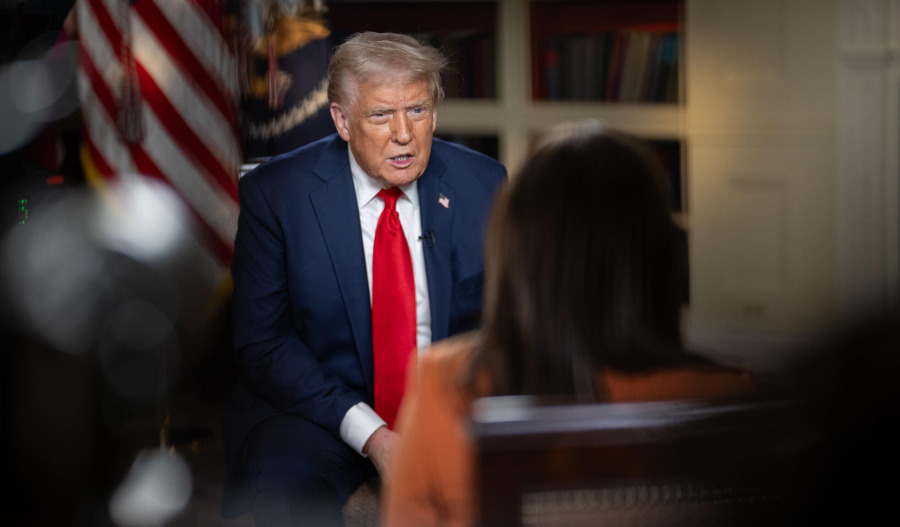
Reports over the weekend indicated that President Donald Trump had requested amendments to a proposed agreement involving the strategic waterway and the handling of enriched uranium.
Diplomatic proposals continue to be exchanged through Pakistani and other regional mediators, although there has been little indication that a final agreement is imminent.
Meanwhile, regional tensions remained elevated after Israel expanded its military operations in Lebanon against the Iranian-backed Hezbollah militant group.
The U.S. dollar was also supported by shifting expectations for Federal Reserve policy.

According to the CME Group FedWatch Tool, markets are now pricing in a 40.5% probability of a 25 basis point (bps) interest rate increase by December and a 10.4% chance of a larger 50bp move.
Inflation concerns have remained a key factor underpinning the market's hawkish outlook for the Federal Reserve.
ANZ analysts said inflation pressures continue to cloud the outlook for U.S. monetary policy.
"The outlook for U.S. interest rates remains clouded by inflationary concerns. Last week the U.S. Bureau of Economic Analysis personal consumption expenditures index rose 3.8% in April.
"Grocery prices in the U.S. have surged recently due to a combination of bad weather, tariffs and a dwindling cattle herd."
Investors are now turning their attention to a busy week of U.S. economic data that could provide further clues about the direction of interest rates.
The first major release will be the Institute for Supply Management's (ISM) manufacturing purchasing managers' index (PMI), due later on Monday (Tuesday AEST).
However, the primary focus will be Friday's closely watched nonfarm payrolls report, scheduled for release on Saturday AEST, which is expected to provide fresh insight into labour market conditions and the broader health of the U.S. economy.
The employment data could play a significant role in shaping expectations for Federal Reserve policy and determining the near-term direction of both the U.S. dollar and gold prices.