Gold prices resumed their decline during Asian trading on Tuesday, falling back below the US$4,550 level as investors weighed ongoing uncertainty surrounding the conflict between the United States and Iran.
By 3:55 pm AEST (5:55 am GMT), spot gold prices were down 0.7% at $4,537.11 per ounce after once again failing to sustain gains near the $4,600 mark.
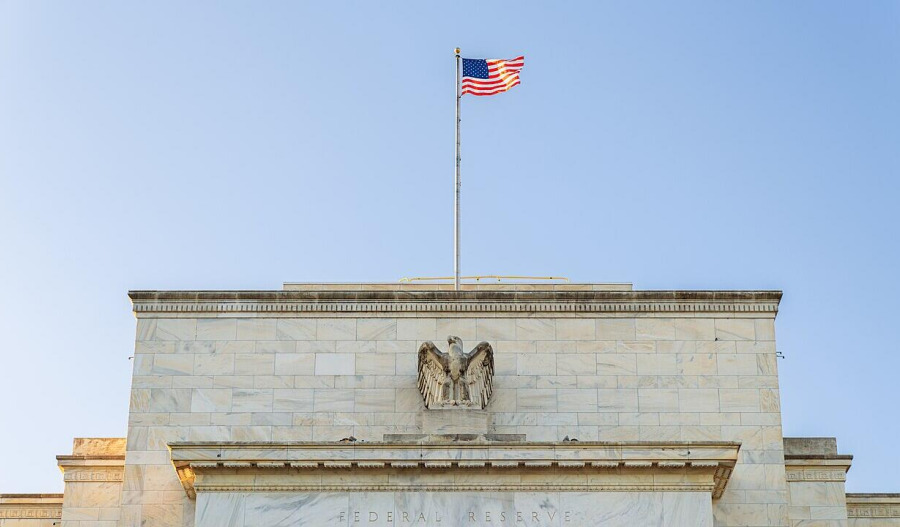
The precious metal came under pressure as the U.S. dollar index (DXY) strengthened amid renewed safe-haven demand, while investors also increased expectations for further U.S. Federal Reserve interest rate hikes.
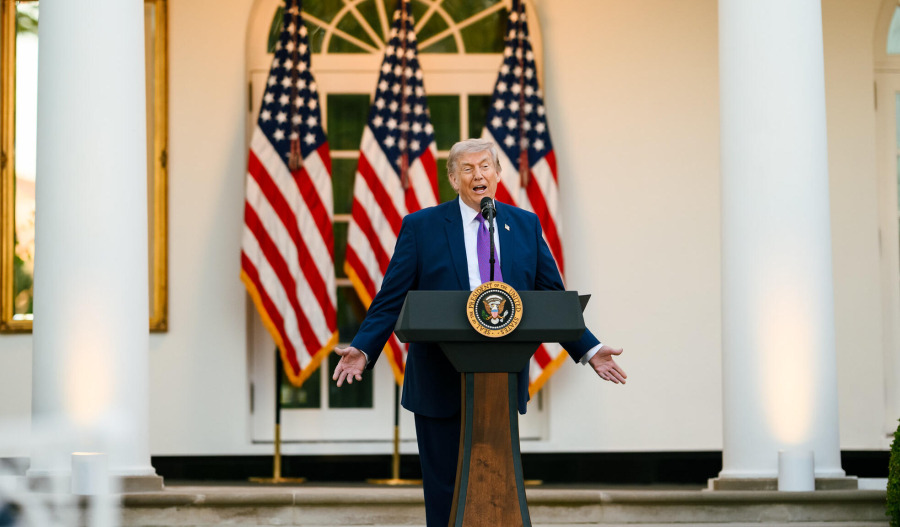
Market sentiment remained cautious despite U.S. President Donald Trump delaying planned military action against Iran to allow negotiations to continue.
Trump also said that if Iran is satisfied with a deal in which they do not get a nuclear weapon, “we will be probably satisfied also”.
However, uncertainty continues to surround the latest Iranian proposal to end the conflict, with reports indicating the revised terms largely mirror conditions previously rejected by Washington.

The stronger U.S. dollar acted as a headwind for gold, which is priced in the greenback and typically becomes less attractive for overseas buyers when the currency strengthens.
The U.S. dollar index (DXY) also found support from rising expectations that the Federal Reserve may need to raise interest rates again later this year as inflation risks intensify.
According to the CME Group FedWatch Tool, markets are currently pricing in a 38.2% probability of a 25 basis point rate increase by December 2026.
The prolonged U.S.-Iran conflict and the continued closure of the Strait of Hormuz have driven oil prices sharply higher, fuelling concerns that elevated energy costs could reignite inflationary pressures globally.
This has increased speculation that major central banks may be forced to maintain tighter monetary policy settings even as economic growth slows.
Investors are also closely monitoring movements in U.S. Treasury yields, with concerns that renewed stagflation fears could push bond yields higher again, potentially placing additional pressure on non-yielding assets such as gold.