Gold prices fell at the start of the week as surging oil prices and a stronger United States dollar weighed on the precious metal amid intensifying conflict in the Middle East and a growing global energy shock.
By 3:40 pm AEDT (4:40 am GMT) Spot gold dropped 1.6% to $5,087.98 an ounce, although the metal recovered slightly from earlier losses that briefly pushed prices close to the US$5,000 level during Monday’s trading session.
The decline comes as global markets grapple with a dramatic surge in oil prices, which has triggered a broad sell-off across risk assets and strengthened the U.S. dollar as investors seek safety.
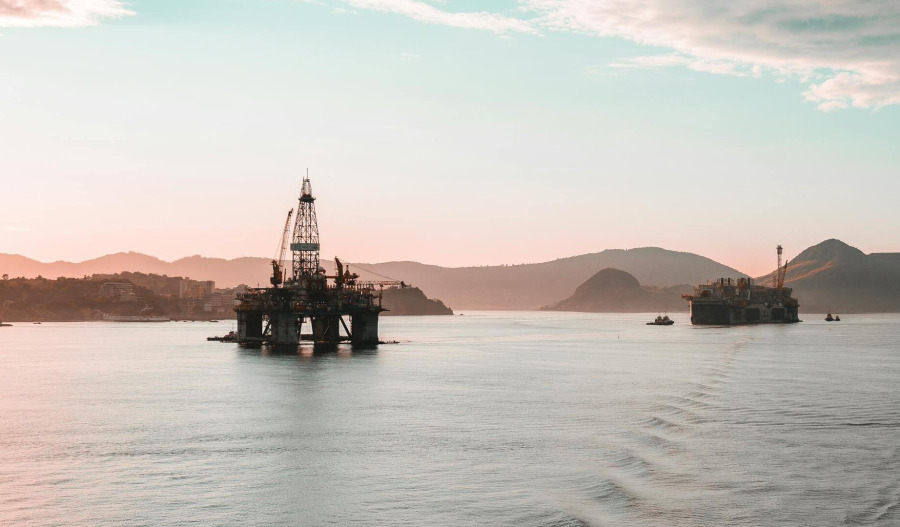
Crude prices have soared amid fears of severe supply disruptions following the escalation of hostilities in the Middle East and the ongoing siege of the Strait of Hormuz, one of the world’s most important energy shipping routes.
Several Gulf producers have already scaled back oil production as security risks increase and export routes remain constrained.
The disruption has intensified fears of a prolonged energy supply shock that could push global fuel prices significantly higher, sparking fresh concerns about global inflation, with investors increasingly worried that rising fuel costs could complicate the outlook for monetary policy.

Markets are now questioning whether the U.S. Federal Reserve will be able to proceed with interest rate cuts in the coming months if inflationary pressures accelerate again due to the energy shock.
Despite gold’s traditional role as a hedge against inflation and economic uncertainty, the metal has also faced selling pressure as investors move to lock in profits following its recent rapid rally.
Some traders have also been forced to sell holdings to cover losses elsewhere in their portfolios after global equity markets tumbled amid the war-driven market turmoil.
Geopolitical developments remain the dominant driver of market sentiment. Investors are closely watching events in the Middle East as the conflict between the United States, Israel and Iran continues to escalate.
Over the weekend, U.S. President Donald Trump suggested that Iran’s newly appointed leadership could face further pressure, saying the country’s new leader “is not going to last long”.
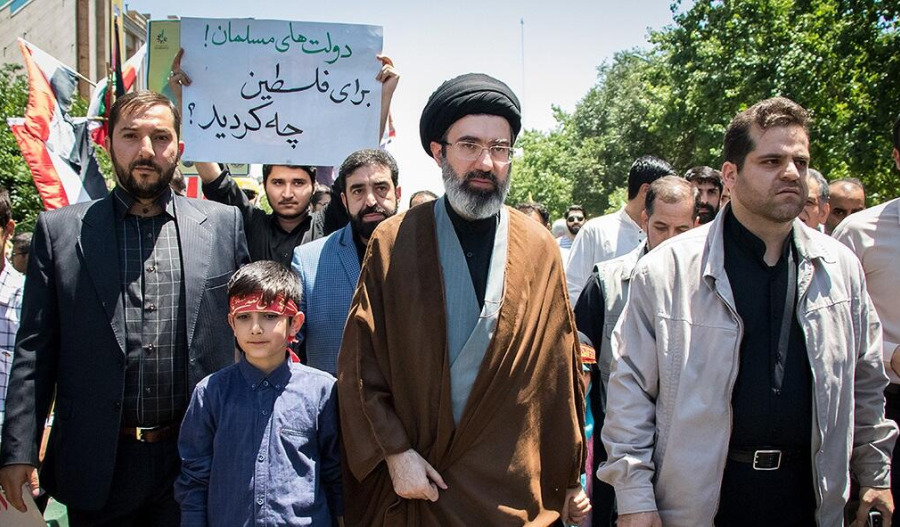
Iran recently named Mojtaba Khamenei to succeed his father, Ali Khamenei, as supreme leader following the escalation of hostilities.