United States stock futures tumbled on Sunday night (Monday AEDT) as crude oil prices surged above US$100 a barrel amid escalating conflict between the United States and Iran.
By 10:45 am AEDT (11:45 pm GMT), futures tied to the Dow Jones Industrial Average had fallen 1.9%, while S&P 500 futures dropped 1.7% and Nasdaq 100 futures declined 1.8%.
The sell-off followed a dramatic surge in oil prices as traders reacted to deepening supply disruptions across the Middle East.
West Texas Intermediate crude jumped 18% to above $108 a barrel, marking the first time the U.S. benchmark has traded above the $100 level since July 2022, when markets were reacting to the aftermath of Russia’s invasion of Ukraine.
International benchmark Brent crude climbed 16% to above $107 a barrel.
Oil futures spiked late Sunday after several major Middle Eastern producers cut output as the crucial Strait of Hormuz shipping route remained effectively closed due to the conflict.
Kuwait confirmed that it had reduced oil production, although it did not specify the scale of the cuts. Iraq has reportedly experienced an even steeper disruption, with production said to have fallen by about 70% as the war continues to affect operations and transport routes.
The Strait of Hormuz is one of the world’s most strategically important energy corridors, with millions of barrels of oil passing through the narrow waterway each day under normal conditions. Its disruption has heightened fears of a prolonged supply shock that could send energy costs significantly higher.

Despite the surge in oil prices, U.S. President Donald Trump downplayed the economic impact of higher crude prices. Writing on social media on Sunday evening, Trump said a rise in “short term oil prices” was a “very small price to pay” for eliminating Iran’s nuclear threat.
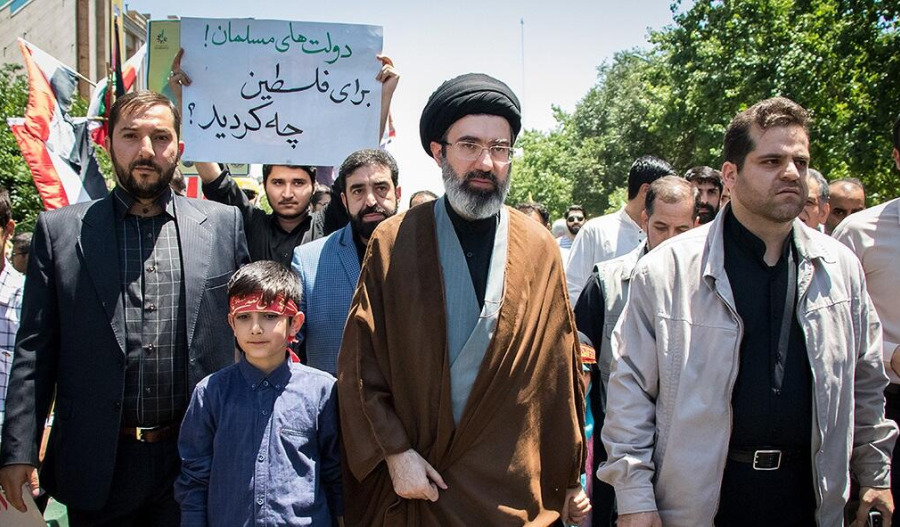
However, the conflict has shown few signs of easing. Reports on Sunday indicated that Iran had named Mojtaba Khamenei, the son of Ayatollah Ali Khamenei, as the country’s new supreme leader following the recent escalation in hostilities.
The developments have raised concerns that geopolitical tensions could persist for an extended period, prolonging volatility across global markets.
Sunday night’s sharp moves in futures followed a difficult week on Wall Street, where the escalating war between the United States and Iran triggered a major rally in oil prices and weighed heavily on equity markets.
U.S. crude prices surged more than 35% last week, marking the largest weekly increase since the futures contract began trading in 1983.
Equity markets, meanwhile, suffered steep declines, with the Dow Jones Industrial Average down about 3% over the week. The broader S&P 500 dropped 2% for the week, while the technology-heavy Nasdaq Composite ended the period 1.2% lower.
Investors now face another week of potentially volatile trading as geopolitical developments continue to dominate market sentiment.
There are no major U.S. economic releases scheduled for Monday, but traders will be closely watching a series of key data reports later in the week, including figures on inflation, employment and gross domestic product.
Corporate earnings will also draw attention, with Hewlett Packard Enterprise due to report results after the closing bell on Monday. Several major retailers and technology companies are also set to update investors later in the week, including Kohl’s, Oracle, Dollar General and Dick’s Sporting Goods.