Gold prices extended losses during Asian trade on Friday as investors reassessed the outlook for United States interest rates after surging oil prices fuelled inflation concerns ahead of next week's Federal Reserve policy meeting.
By 4:00 pm AEST (6:00 am GMT), spot gold was down 0.7% at US$4,022.32 an ounce, following a 2% decline in the previous session.
The precious metal came under pressure after renewed escalation in the conflict between the United States and Iran sent crude oil prices back above US$100 a barrel, raising expectations that persistent energy inflation could keep the Federal Reserve on a more hawkish policy path.
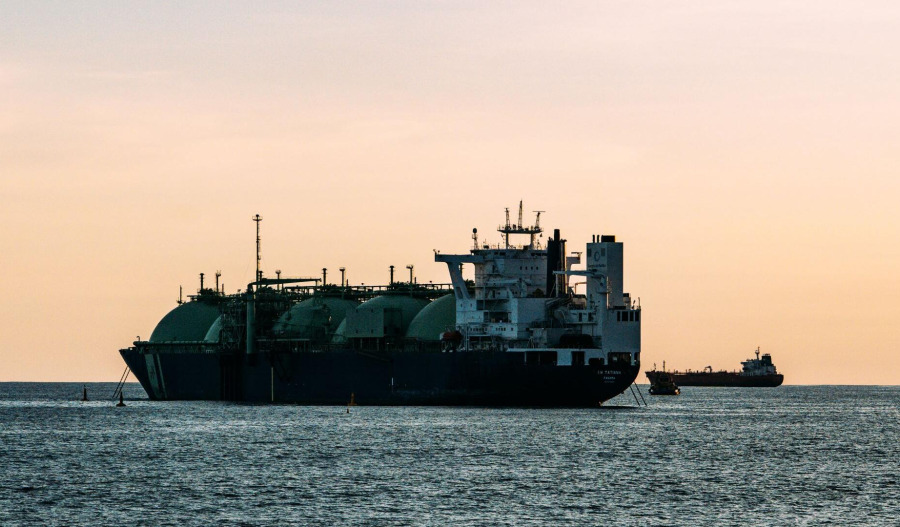
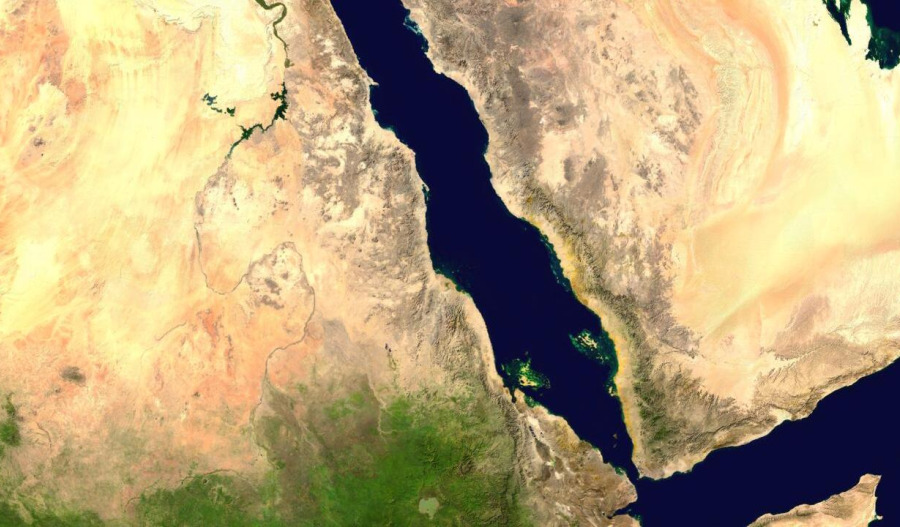
Concerns have intensified as two of the world's most important energy shipping routes face disruption within the same month, adding a significant geopolitical risk premium to global oil markets.
The U.S. military carried out a 13th consecutive night of strikes on Iran, targeting drone facilities, coastal surveillance systems and other military infrastructure.

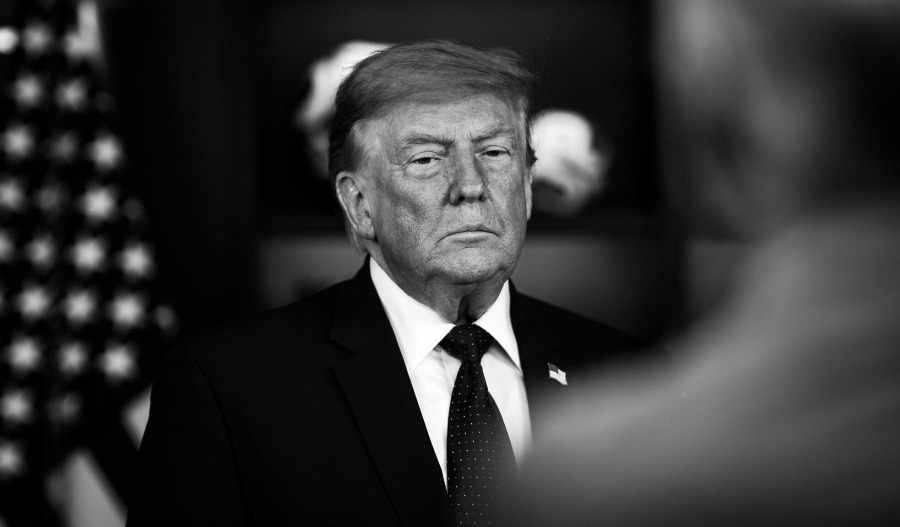
The operations followed comments from U.S. President Donald Trump that he was close to deciding whether to launch a "massive attack" on Iran, beyond the scale of military action already undertaken over the past five months.
Trump also warned of "major military punishment" against Iran and the Iran-backed Houthis after the Yemeni group attacked two Saudi oil tankers in the Red Sea.
Attention now turns to preliminary business activity surveys from major economies later on Friday, with investors watching whether the latest geopolitical tensions have begun to weigh on global manufacturing and services activity.
Weaker-than-expected purchasing managers' index (PMI) readings could boost demand for the U.S. dollar as a safe-haven asset, placing additional pressure on gold prices.
Investors may also trim positions and lock in profits ahead of the Federal Reserve's interest rate decision next Wednesday, with markets increasingly focused on whether policymakers will signal a more aggressive stance on inflation.
Meanwhile, the U.S. announced new tariffs on imports from around 60 trading partners, with duties ranging from 10% to 12.5%, as a temporary 10% tariff introduced earlier this year expired.