United States President Donald Trump vowed on Thursday to inflict "major military punishment" on Iran and its Houthi allies after the Yemeni militant group attacked two Saudi oil tankers in the Red Sea, escalating tensions across another critical global shipping route.
The latest attacks heightened fears that the conflict could spread beyond the Strait of Hormuz to disrupt traffic through the Bab el-Mandeb, sending global oil prices sharply higher. Brent crude surged more than 6% to trade above US$100 a barrel for the first time since May.
The developments came two weeks after the collapse of an interim ceasefire aimed at ending the conflict.
Overnight, the U.S. military launched another round of air strikes on Iran, prompting Tehran to retaliate with attacks targeting neighbouring Arab countries hosting U.S. military bases.
Following the Houthi attacks on the Saudi tankers, Trump warned that Iran would be held directly responsible for any further assaults carried out by the group.
The Houthis, who control much of northern and western Yemen, announced earlier this week that they were imposing a naval blockade on Saudi Arabia, which has been rerouting millions of barrels of crude oil each day via pipelines to the Red Sea to bypass Iran's blockade of Gulf exports through the Strait of Hormuz.

"If they do this again, the U.S. will hold Iran responsible, in that the Houthis are a surrogate and/or proxy of Iran, and major military punishment will be inflicted upon Iran and, of course, the Houthis, themselves," Trump wrote on Truth Social.
Trump also told Axios he was considering relaunching major combat operations against Iran and said a decision could be imminent.
"They haven't received enough pain yet," Axios quoted the president as saying.
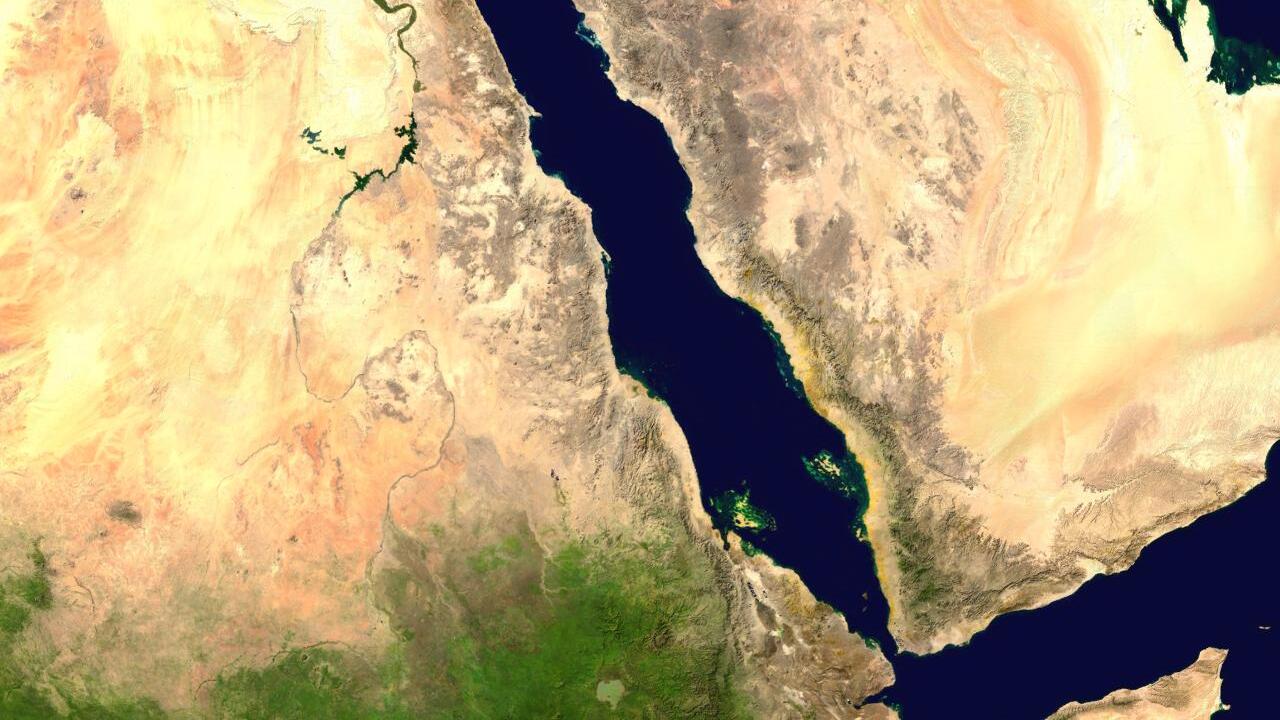
Analysts warned that continued Houthi attacks could threaten shipping through the Bab el-Mandeb, a strategic maritime passage linking the Red Sea with the Gulf of Aden and Indian Ocean.
The waterway is one of the world's most important energy transit routes, second only to the Strait of Hormuz.
In response to the growing security risks, several oil tankers have already altered course to avoid the Bab el-Mandeb.
Some vessels have instead travelled via the Suez Canal before taking the significantly longer route around the Cape of Good Hope, increasing shipping costs and transit times for cargoes bound for Asia.