Brent crude remained above US$100 a barrel during Asian trade on Friday, keeping the benchmark on track for its strongest weekly gain in months as escalating conflict in the Middle East heightened fears of widespread disruptions to global energy supplies.
By 3:35 pm AEST (5:35 am GMT), Brent crude futures were down 33 cents, or 0.3%, at US$100.36 a barrel, while U.S. West Texas Intermediate (WTI) crude futures slipped 43 cents, or 0.5%, to US$91.76 a barrel.
Despite Friday's modest pullback, Brent and WTI were on track to post weekly gains of 13.9% and 12.1%, respectively, as investors continued to price in the growing geopolitical risk premium.
ING commodities strategists noted in The Commodities Feed:
"With little-to-no sign of de-escalation, the market is likely to take the path of least resistance for now. This suggests oil prices will only continue to move higher.
"The key question is at what price level pressure begins to build on the Trump administration to return to the negotiating table.
"If Trump's previous spikes during the early stages of the war are any guide, pressure to de-escalate will likely grow significantly if, and when, Brent nears US$120/bbl."

The bank added that the current risks to global oil supplies were greater than at any point during the conflict, citing the near halt in oil flows through the Strait of Hormuz and mounting threats to Saudi crude exports via the Red Sea.
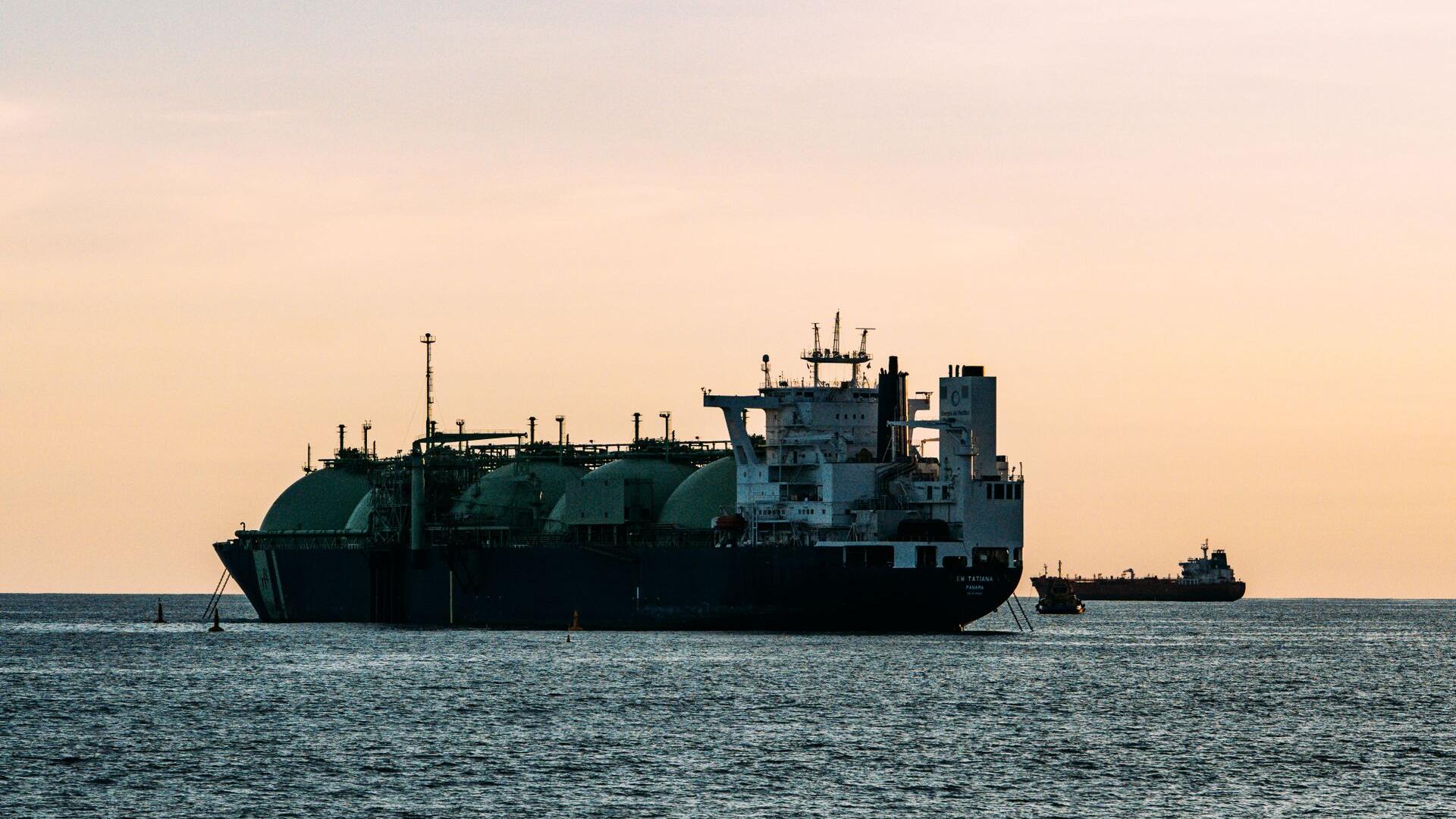
According to Reuters, citing ship-tracking firm Kpler, only one oil tanker transited the Strait of Hormuz on Thursday, the lowest daily count since 7 May.
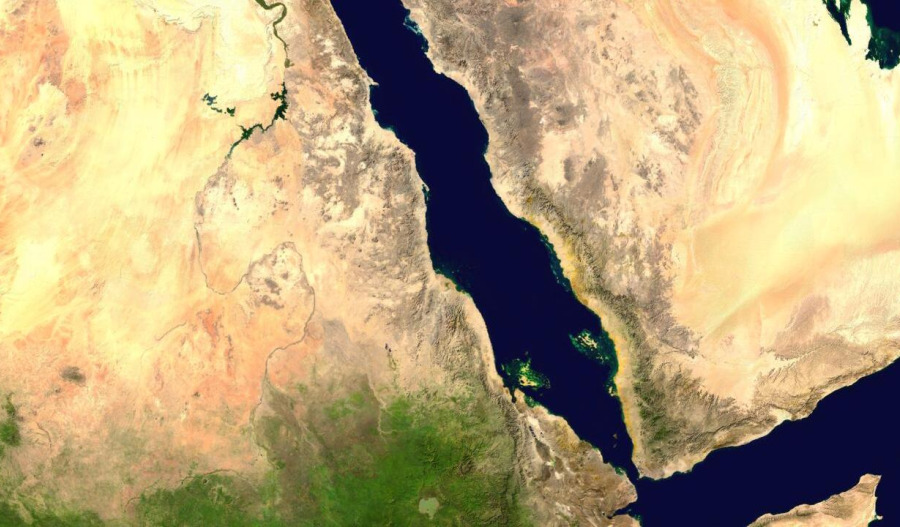
Attention has also shifted to the Bab el-Mandeb Strait, which links the Red Sea with the Gulf of Aden and Indian Ocean. The waterway is the world's second most important maritime oil corridor after the Strait of Hormuz.
The latest escalation followed U.S. President Donald Trump's pledge to hold Iran responsible for any future attacks carried out by the Iran-backed Houthis.
Earlier this week, the Houthis announced a naval blockade targeting Saudi Arabia, which has been rerouting crude exports through the Red Sea via pipeline to bypass Iran's closure of the Strait of Hormuz.
Iran has reportedly encouraged the Houthis to close the Bab el-Mandeb should the United States continue strikes on Iranian energy infrastructure, following the collapse of an interim ceasefire between Washington and Tehran two weeks ago.
Adding to supply concerns, the Caspian Pipeline Consortium suspended oil loadings from Kazakhstan after attacks on tankers at its export terminal earlier this week. The pipeline transports around 2% of global daily crude supplies, raising further concerns over tightening oil availability.