Gold prices traded higher during Thursday’s Asian session, supported by a weaker United States dollar and continued optimism over a potential de-escalation in Middle East tensions.
By 3:35 pm AEST (5:35 am GMT), spot gold rose 0.7% to US$4,826.01 per ounce. The precious metal has remained within a relatively narrow $200 trading range throughout the week.
The latest gains in gold have been largely driven by a decline in the U.S. dollar, which has fallen to six-week lows against major peers.
Investor optimism remains anchored to expectations that the United States and Iran could reach an agreement to end their ongoing conflict. In addition, prospects for easing tensions between Israel and Lebanon have further supported broader market sentiment, with both sides reportedly heading into negotiations.
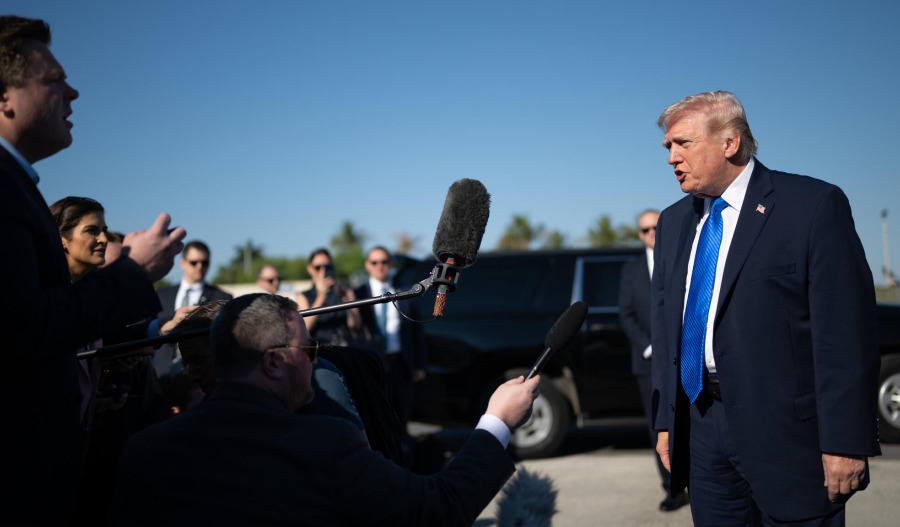
U.S. President Donald Trump confirmed that Israel and Lebanon peace talks would take place later in the day, reinforcing expectations of a wider regional de-escalation.

Stronger economic fundamentals have also contributed to the positive backdrop. China’s economy expanded by 5% year-on-year in the first quarter, surpassing expectations of a 4.8% increase.
Meanwhile, robust earnings from major U.S. banks, including Bank of America and Morgan Stanley, have helped drive equity markets to record highs, further boosting global risk appetite.
Meanwhile, President Trump intensified his criticism of Fed Chair Jerome Powell, raising concerns about the central bank’s independence.
On Wednesday, Trump threatened to remove Powell from his position on the Federal Reserve’s Board of Governors if he does not step down when his term as chair ends on 15 May, unsettling markets and weighing on the currency.
Looking ahead, gold’s next directional move is likely to be driven by further developments in Middle East geopolitics, particularly as markets closely monitor upcoming peace negotiations.
Reuters reported that a source in Tehran indicated that “Iran could consider allowing ships to sail freely through the Omani side of the Strait of Hormuz without risk of attack as part of proposals it has offered in negotiations with the United States”.