Gold prices advanced on Tuesday as investors sought safe-haven assets amid the deepening conflict in Iran, with the precious metal once again testing the key US$5,400 level after volatile trading in the previous session.
By 3:15 pm AEDT (4:15 am GMT), spot gold was up 0.8% at US$5,363.04 per ounce, supported by persistent geopolitical uncertainty and a softer global risk tone.
Demand for bullion strengthened as United States President Donald Trump signalled further escalation in the ongoing war with Iran, warning that a “big wave” of military action is yet to come.
Trump pledged retaliation following an attack on the U.S. embassy in Riyadh and the deaths of U.S. military personnel during the conflict.
Late on Monday, a Saudi Defence Ministry spokesperson confirmed that the U.S. Embassy in Riyadh had been targeted by two Iranian drones.
U.S. Secretary of State Marco Rubio said the United States is preparing for a “major uptick” in attacks in Iran over the next 24 hours, reinforcing expectations of heightened military activity.
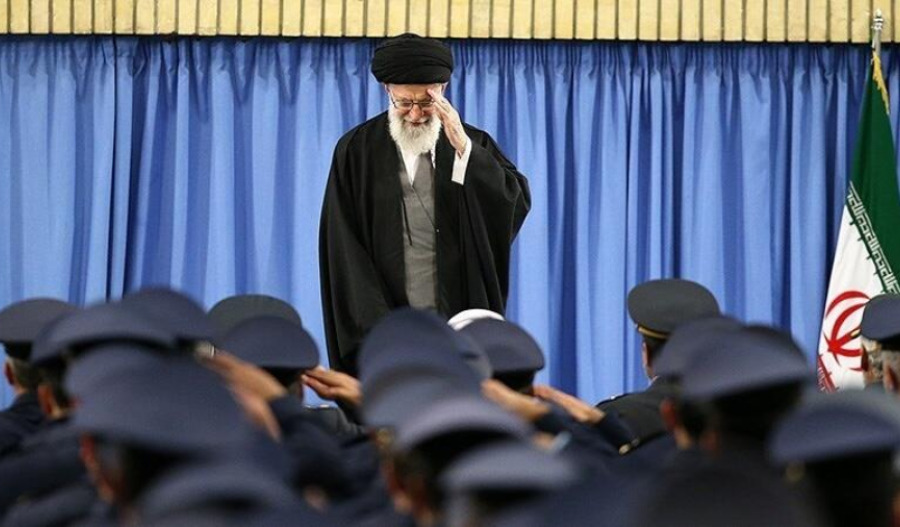
The escalation followed Israeli strikes on Beirut’s southern suburbs, with Hezbollah launching rockets and drones toward Israel in response to the death of Iranian Supreme Leader Ali Khamenei.

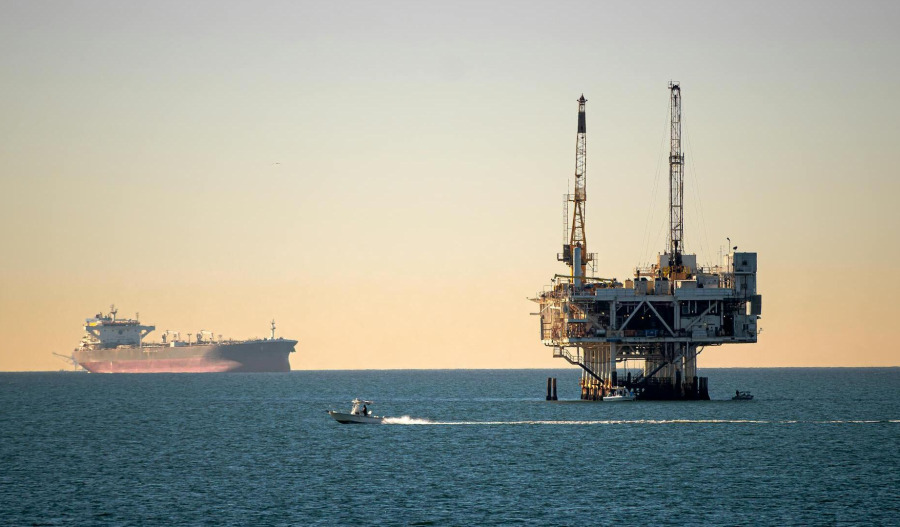
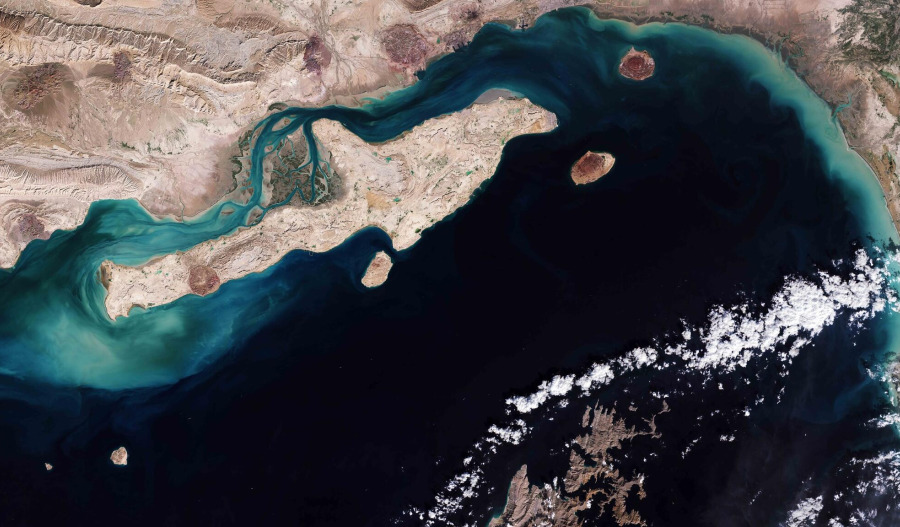
Markets are also assessing the implications of the reported closure of the Strait of Hormuz by Iran’s Islamic Revolutionary Guard Corps, a move that has already pushed oil prices sharply higher.
Rising crude prices increase inflation risks globally, reinforcing gold’s appeal as a hedge against price pressures.
Historically, bullion tends to benefit during periods of elevated geopolitical stress and commodity-driven inflation shocks.
However, gains in gold remain tempered by strength in the U.S. dollar, which continues to attract haven flows of its own.
At the same time, traders are reassessing expectations for U.S. Federal Reserve policy. With oil prices surging and inflation risks building, markets have pared back some dovish rate-cut bets, anticipating that policymakers may remain cautious about easing monetary policy too quickly.
Looking ahead, geopolitical developments surrounding the Iran conflict are likely to remain the primary driver of gold price action in the near term.
U.S. economic data may play a secondary role until the release of the closely watched nonfarm payrolls report, which could provide further clarity on the labour market and the Federal Reserve’s policy path.