Former Rio Tinto chief executive Tom Albanese will merge with Nasdaq-listed Odyssey Marine Exploration through his American Ocean Minerals Corporation in a US$1 billion (A$1.417 billion) all-stock deal, creating one of the largest United States-aligned portfolios of underwater mineral deposits.
Odyssey shares rocketed almost 120% on the announcement.
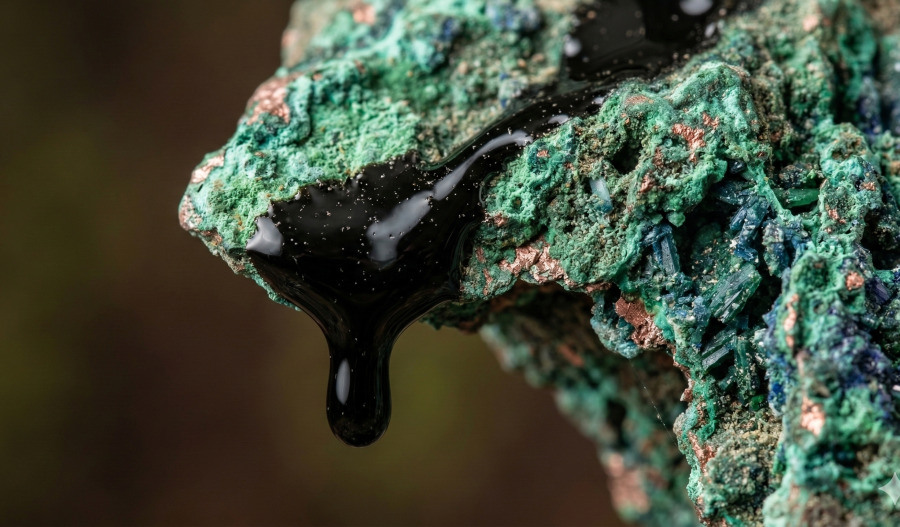
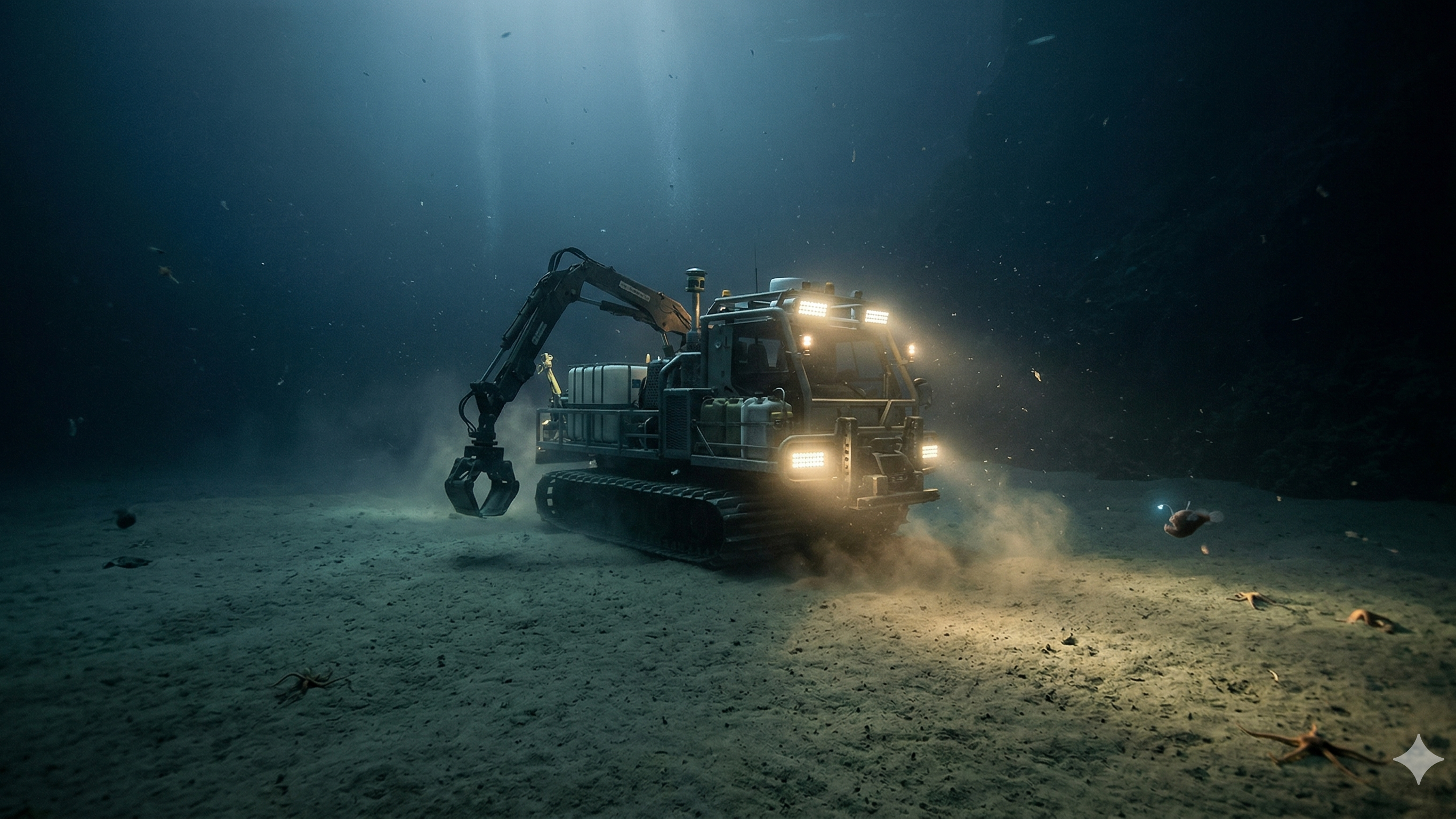
The combined entity will target polymetallic nodules - potato-sized formations rich in nickel, cobalt, copper and manganese - across more than 500 square kilometres of prospective seabed in the Cook Islands and U.S.-licensed international waters.
The transaction includes more than $150 million in institutional placement financing alongside a $75 million pre-public raise closed in February.
Once complete, expected by August, the merged firm will trade on Nasdaq under the ticker AOMC.
Mark Justh, a capital markets veteran from JPMorgan Chase and Goldman Sachs, will serve as CEO.
Citigroup and Cantor Fitzgerald - chaired by Brandon Lutnick, son of U.S. Commerce Secretary Howard Lutnick - arranged the placement.
Reality television host Mike Rowe is among the strategic investors - something you don't read every day.
Washington's subsea acceleration
The deal arrives as the Trump administration overhauls the regulatory architecture for seabed extraction.
In January, NOAA finalised rules consolidating the two-step permitting process into a single review, effectively halving the approval timeline for subsea miners.
The Metals Company immediately filed under the condensed pathway, seeking licences across the Clarion-Clipperton Zone, where ~800 million metric tonnes (t) of nodules sit on the Pacific floor.
Glencore has already agreed to purchase whatever metals TMC extracts.
AOM is pursuing the same route, applying to Washington for two international licences in the Clarion-Clipperton Zone rather than going through the International Seabed Authority.

ISA standoff
The ISA's most recent council session ended in March without a mining code and without greenlighting any commercial extraction, extending a regulatory deadlock that has dragged on for over a decade.
40 nations now back a moratorium on seabed extraction.
The authority has opened an investigation into whether The Metals Company's pursuit of U.S. unilateral authorisation breaches its existing ISA exploration contracts.
The U.S. remains the only industrialised nation outside the UN Convention on the Law of the Sea, which designated deep-seabed minerals as the common heritage of humankind.
Whether metals recovered under U.S. authorisation will be recognised by the convention's 172 signatories remains untested.
Sector flows
No subsea mining operation has produced commercial volumes to date.
Deal flow in the sector now runs into billions, and the Trump administration has signalled it intends to compress approval timelines further.
Processing infrastructure for polymetallic nodules does not yet exist in the United States, and AOM has indicated it may build a domestic refinery but plans to use third-party processors initially.
The ISA's next council session in July will consider whether to extend The Metals Company's exploration contracts or pursue enforcement action.