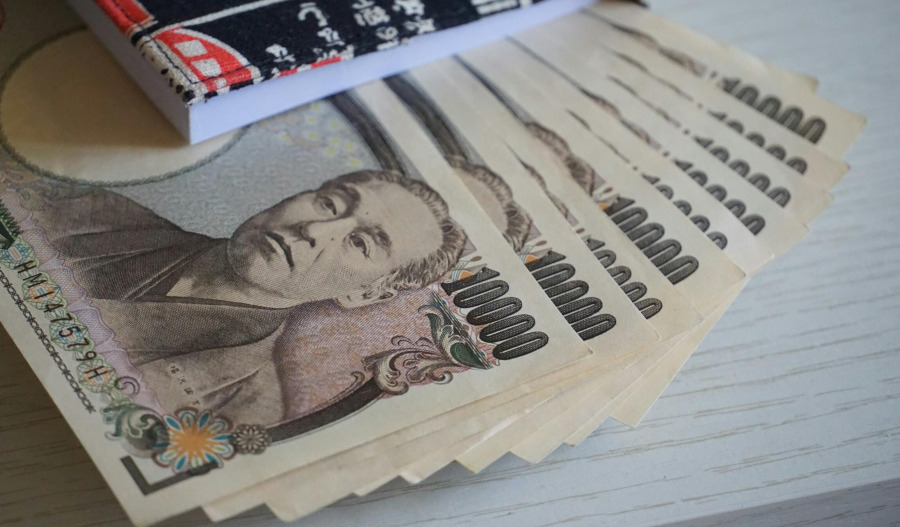

The Japanese yen surged to a seven-month high on Monday as traders reassessed the battered currency’s outlook amid expectations of faster Bank of Japan policy tightening and growing bets that Japanese investors could repatriate overseas funds.
The main event this week is Friday’s United States inflation report, which could influence the Federal Reserve’s decision on whether to raise interest rates later this month and shape the dollar’s direction.
The European Central Bank will also meet on Thursday and is widely expected to raise eurozone interest rates.
Until then, attention remains firmly on the yen. The dollar fell as low as 154.05 yen, its weakest level since February, and was last down 1.1% at 154.40 yen.

The greenback has now broken below lows reached in August after Washington and Tokyo jointly intervened to support the Japanese currency, which was then trading at 40-year lows.
Much of the yen’s post-intervention gains quickly faded, but fresh support from capital repatriation, the unwinding of carry trades and U.S. political pressure is prompting investors to rethink long-held bearish positions.
The dollar’s slide against the yen also weighed on the U.S. currency more broadly.
The euro rose 0.15% to $1.1630, while the pound gained a similar amount to $1.3539.
The dollar faces a crucial week, with traders pricing in a 60.4% chance of a Federal Reserve rate hike this month, according to the CME Group FedWatch Tool, following Friday’s stronger-than-expected U.S. nonfarm payrolls report.