The United States has warned that Iran would be “very wise” to reach an agreement with Washington, as reports suggest the White House is weighing potential military action against Tehran as soon as this weekend.
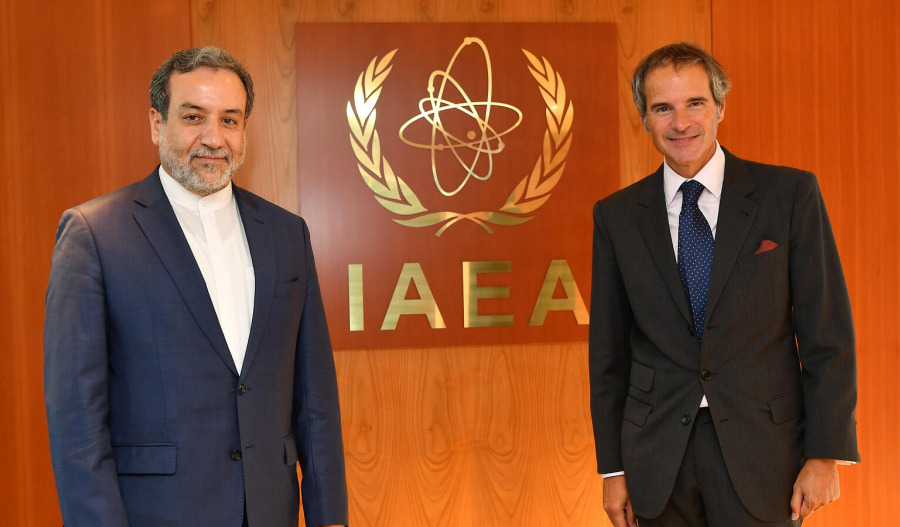
The comments came as American and Iranian officials continued nuclear negotiations in Geneva, Switzerland, aimed at finding a diplomatic solution to long-running disputes over Tehran’s atomic programme.
The talks have unfolded against a backdrop of rising military activity and intensifying rhetoric on both sides.
Speaking at a briefing on Wednesday, White House press secretary Karoline Leavitt said there were “many reasons and arguments that one could make for a strike against Iran”, adding that the two countries remained “very far apart” on key issues.
She referenced a prior U.S. military operation, saying President Donald Trump had overseen a “very successful” mission last June, when U.S. stealth bombers struck three Iranian nuclear facilities as part of “Operation Midnight Hammer”.
“The president has always been very clear though with respect to Iran or any country around the world, diplomacy is always his first option. And Iran would be very wise to make a deal with President Trump and this administration,” Leavitt said.
Her remarks followed criticism from Vice President JD Vance, who accused Iran of failing to address core U.S. demands during this week’s discussions in Geneva.
In contrast, Iran’s foreign minister previously signalled progress, stating that the two sides had reached an understanding on the “guiding principles” underpinning the negotiations.

Despite the increasingly pointed language, the White House has reiterated that it hopes to secure a diplomatic resolution to the dispute over Tehran’s nuclear activities.
Tensions have been compounded by a noticeable build-up of military assets in the oil-rich Middle East.
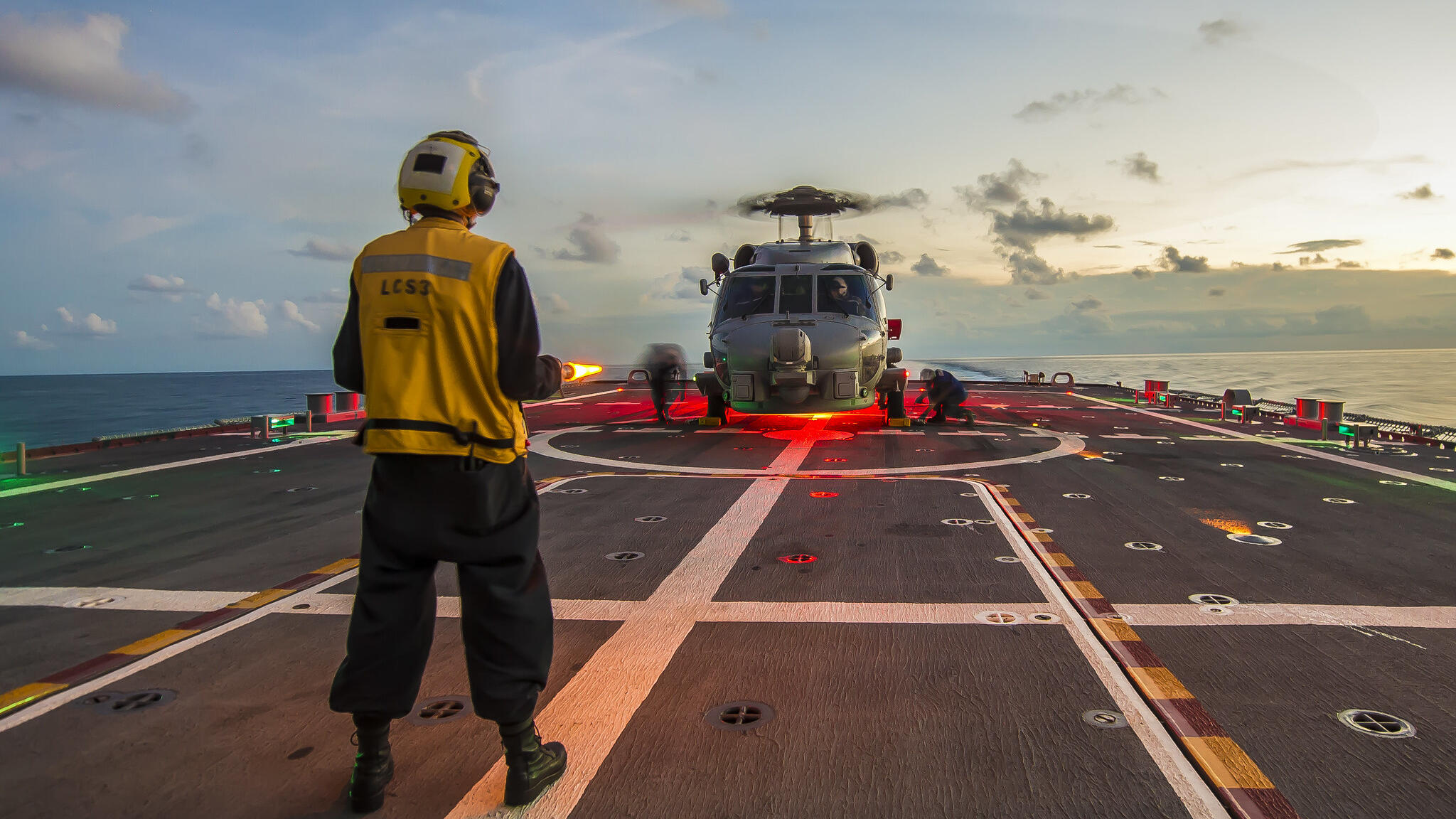
The United States has reinforced its regional presence with additional air and naval capabilities, while Iran has stepped up its own activities.
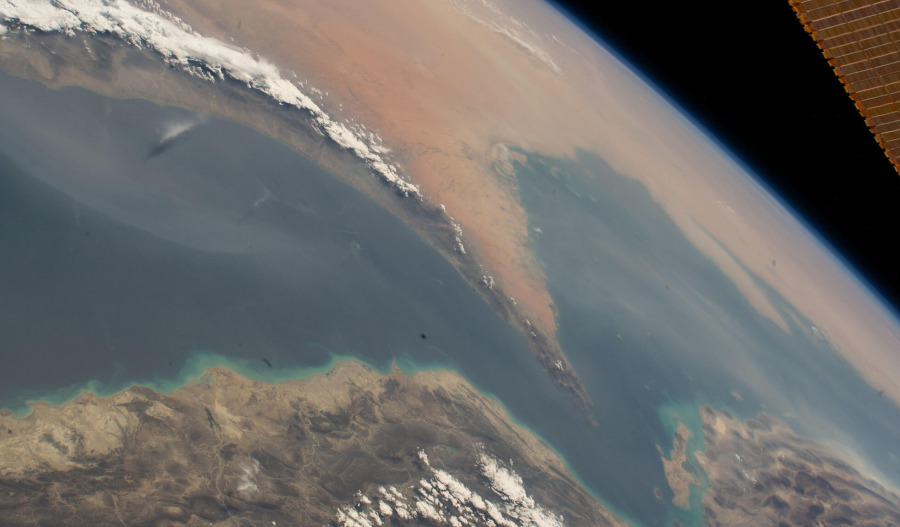
In recent days, Tehran has conducted military drills in the strategically crucial Strait of Hormuz, a narrow shipping lane through which a significant portion of the world’s oil supply passes.
Iran has also announced joint naval exercises with Russia in the Gulf of Oman, also known as the Sea of Oman, underscoring its growing security cooperation with Moscow at a sensitive moment in relations with Washington.
The simultaneous military manoeuvres have heightened concerns that miscalculation or escalation could trigger a broader confrontation.
Laura James, Middle East senior analyst at Oxford Analytica, described the situation to CNBC as “extremely dangerous”, warning that the U.S. and Iran were “certainly closer” to open conflict than they were a week ago.
“The thing that is now a particular concern over the past 24 hours is the very rapid pace at which the United States is reinforcing its air power in the region. That, of course, can still be signaling and pressure for a particular diplomatic outcome,” James told CNBC’s “Access Middle East” on Thursday.
“But as more and more planes come in and more and more equipment comes in, that signalling gets more and more expensive. And therefore, the payoff you want for it in diplomatic terms has to be larger — and there is simply no sign Tehran can offer the absolute minimum that Washington is likely to demand,” she added.