A second round of indirect nuclear negotiations between the United States and Iran concluded in Geneva on Monday without a concrete breakthrough.
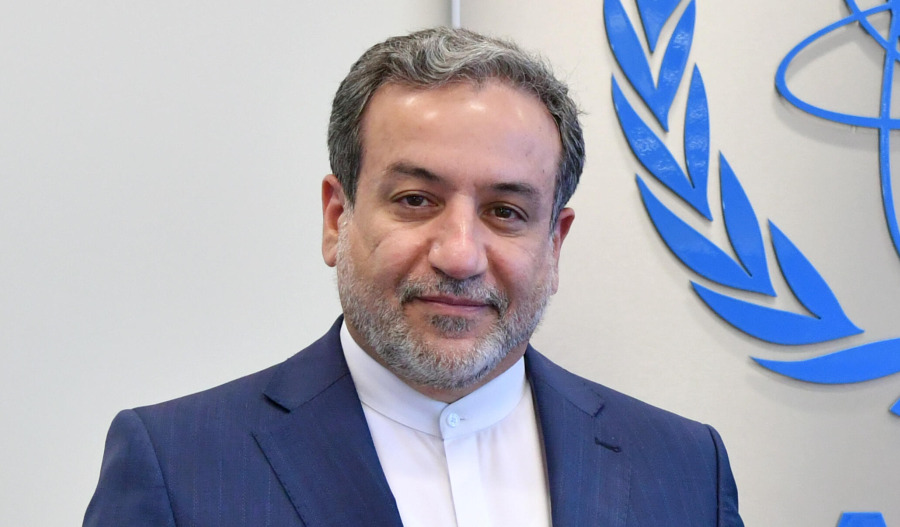
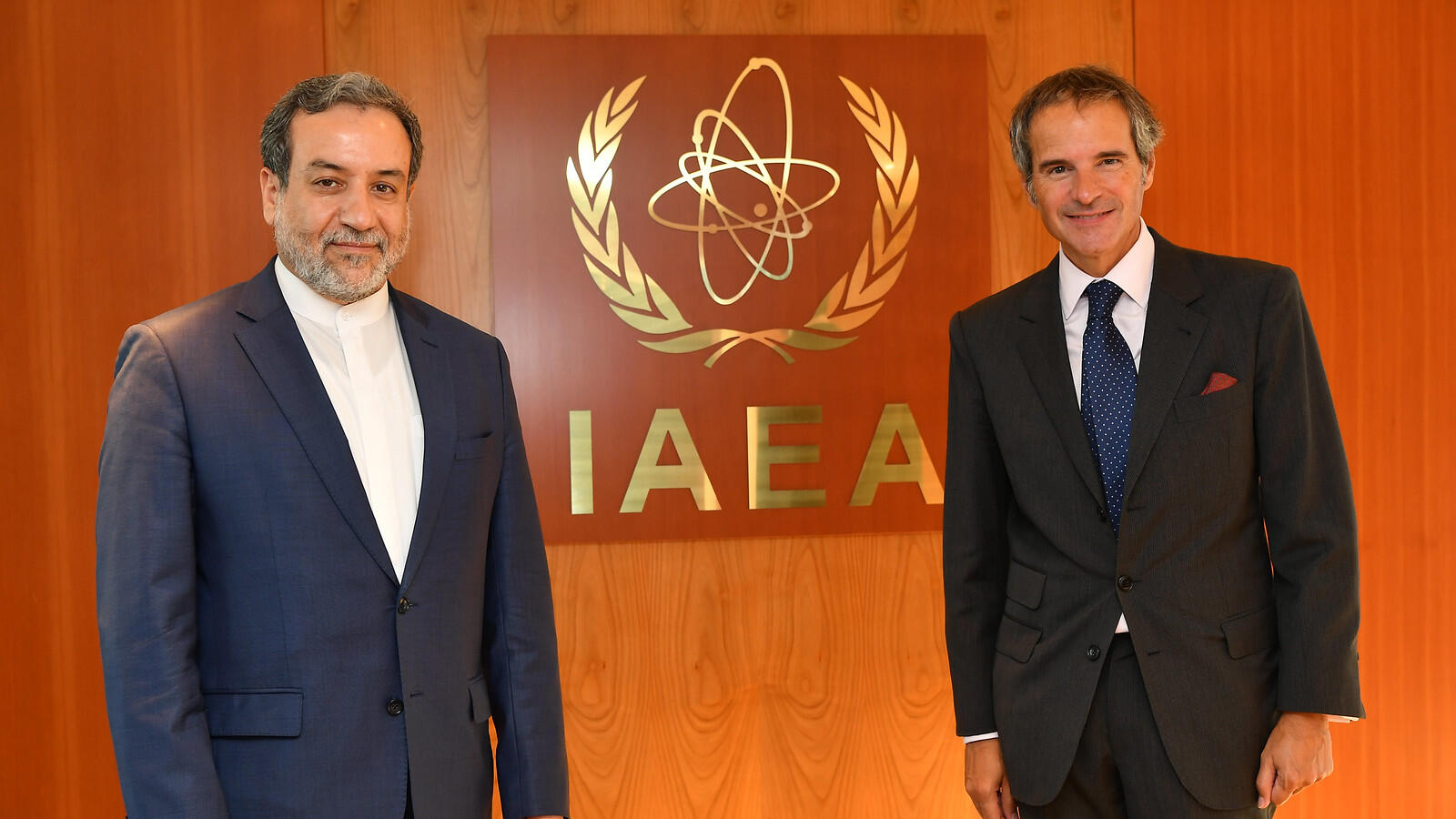
Iranian Foreign Minister Abbas Araghchi led Tehran’s delegation, meeting United States Special Envoy Steve Witkoff and Jared Kushner, son-in-law of U.S. President Donald Trump, for more than three hours at the Omani embassy in Geneva.
The talks were mediated by Oman and followed an earlier round held this month.
While no formal agreement was announced, Araghchi characterised the discussions as an improvement on previous efforts.
"Good progress was made compared to the previous meeting, and we now have a clearer path ahead," Araghchi told Iranian state-run television.
He added that "a set of guiding principles" had been reached, though he declined to provide further details.
"This does not mean that we can reach an agreement quickly, but at least the path has begun," he said.
The indirect negotiations, launched on 6 February, remain uncertain in terms of next steps.
Prior to Monday’s meeting, Iran’s Foreign Ministry said Araghchi was prepared to remain in Geneva for as long as necessary to secure results.
Despite cautiously optimistic rhetoric from Tehran, analysts say the core dispute remains unresolved.
Mohammad Ghaedi, a political scientist at George Washington University, told DW that the fundamental disagreement continues to centre on uranium enrichment.
"The core conflict between the two sides remains," he said, adding that Iran’s uranium enrichment is a "red line" for Washington.

"Tehran, on the other hand, does not want to give up enrichment. As long as the centrifuges are running, Iran retains the option of nuclear deterrence. If the centrifuges stop running, the country loses this deterrence," Ghaedi added.
Tehran has signalled a willingness to limit aspects of its nuclear programme and transfer its stockpile of 60% enriched uranium to a third country.
However, any agreement in which Washington accepts continued enrichment would represent a significant concession from the U.S. perspective.
Iran maintains that its nuclear activities are intended solely for civilian purposes and has repeatedly denied seeking nuclear weapons. However, the International Atomic Energy Agency warned in late 2024 that Iran’s enrichment levels were approaching weapons-grade and far exceeded those required for peaceful energy production.
In exchange for curbing enrichment, Tehran is demanding relief from U.S. sanctions — a step Washington has so far declined to endorse.
"Tehran is more willing to accept a military conflict than to completely abandon uranium enrichment," Ghaedi said.
Iran’s leadership has also ruled out negotiations over other contentious issues, including its ballistic missile programme and support for regional militant proxies.
Tensions have been compounded by increasingly sharp rhetoric. Iran’s Supreme Leader Ali Khamenei renewed threats against the United States on Tuesday, asserting that President Trump would fail in his "attempt to overthrow" the Islamic leadership in Tehran.
Trump has previously suggested that "regime change" in Tehran could ultimately benefit Iran, comments that followed the violent suppression of nationwide protests in the country.
Meanwhile, U.S. Vice President JD Vance said Washington retains "a lot of options" in addressing Iran’s nuclear ambitions.
Speaking to Fox News, Vance accused Tehran of failing to recognise the "red lines" set by Trump and said the president had numerous tools at his disposal to prevent Iran from acquiring a nuclear weapon. He reiterated U.S. allegations that Iran is seeking to build a nuclear bomb.
In recent weeks, the United States has bolstered its military presence in the Middle East, deploying two aircraft carrier strike groups to the Arabian Sea, signalling preparedness should diplomatic efforts falter.