Iran’s foreign minister met the head of the International Atomic Energy Agency (IAEA) on Monday, ahead of renewed nuclear negotiations between Tehran and Washington, as tensions remain elevated and the threat of further United States military action lingers.
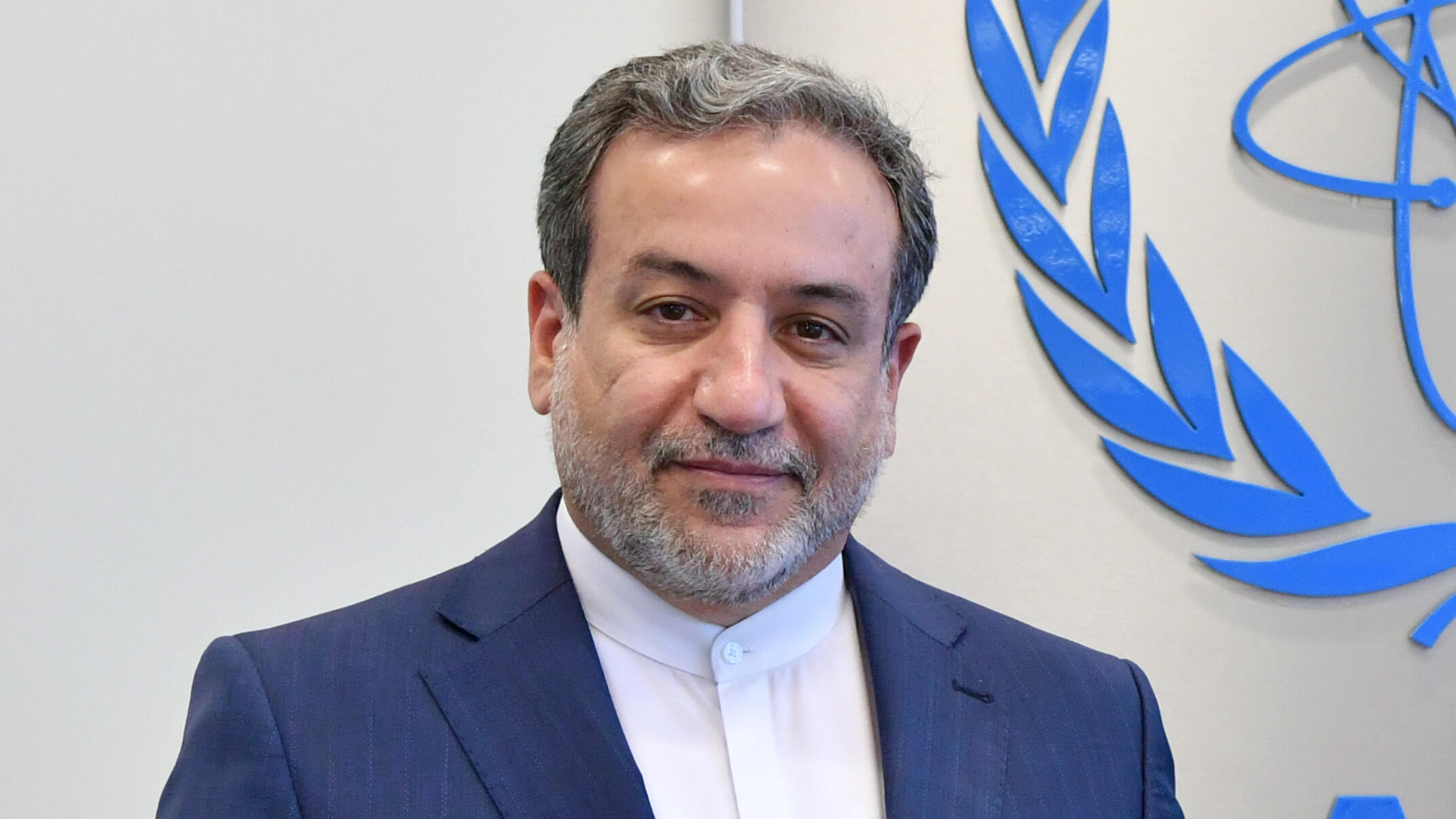
The meeting between Iranian Foreign Minister Abbas Araqchi and IAEA Director General Rafael Grossi took place in Geneva, with Iran’s Foreign Ministry saying the two sides discussed cooperation with the agency and Tehran’s technical perspective on the ongoing nuclear talks with the United States.
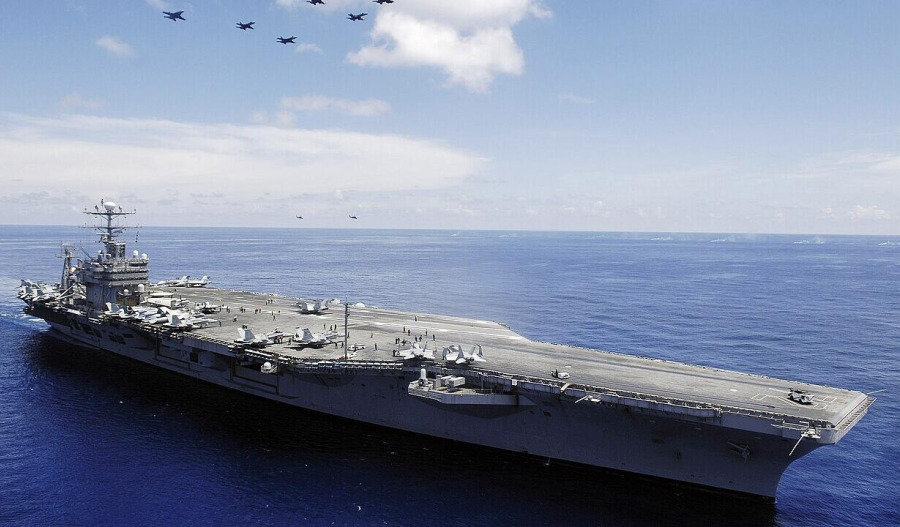
The diplomatic engagement comes amid heightened regional strain. Washington, which joined Israel in air strikes on Iranian nuclear sites in June, has since ordered a second U.S. aircraft carrier group to the Middle East.
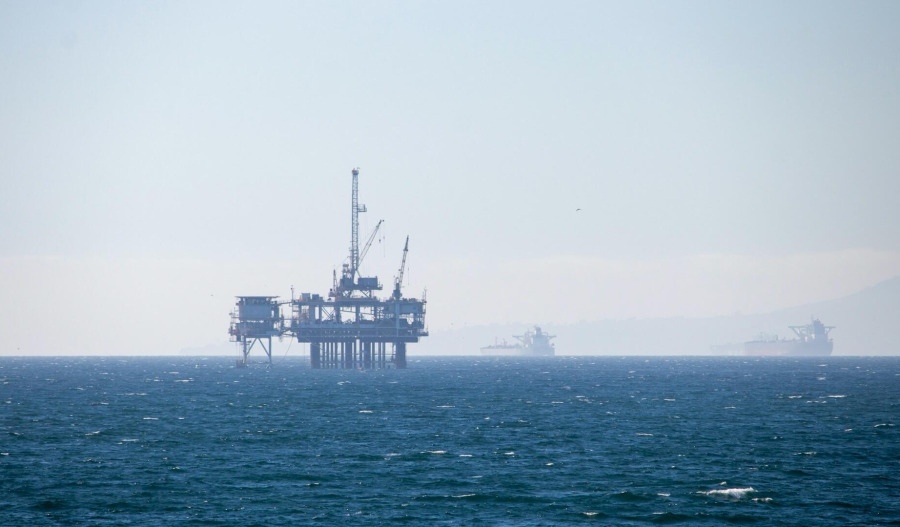
At the same time, Iran began a military exercise in the Strait of Hormuz, a crucial international waterway through which around a fifth of global oil supplies transit. Gulf Arab states have urged diplomacy to defuse the crisis and avoid disruption to energy markets.
The U.S. and Iran revived negotiations earlier this month in an effort to address their decades-long dispute over Tehran’s nuclear programme.
Washington, along with other Western governments and Israel, believes Iran’s activities are ultimately aimed at developing nuclear weapons. Tehran denies this, maintaining that its programme is solely for civilian purposes.
However, the scope of discussions has widened. Washington has sought to broaden talks beyond nuclear issues to include Iran’s missile stockpile, a move Tehran rejects.
Iran has said it is prepared to discuss limits on its nuclear programme in exchange for sanctions relief, but will not accept a complete halt to uranium enrichment on its soil.
It also insists that its missile capabilities are not open for negotiation.
Speaking during a visit to Hungary, U.S. Secretary of State Marco Rubio acknowledged the challenges ahead.
"I think that there's an opportunity here to diplomatically reach an agreement that addresses the things we're concerned about. We'll be very open and welcoming to that. But I don't want to overstate it either. It's going to be hard.

"It's been very difficult for anyone to do real deals with Iran, because we're dealing with radical Shia clerics who are making theological decisions, not geopolitical ones."
Araqchi, for his part, said he was in Geneva to "achieve a fair and equitable deal".
"What is not on the table: submission before threats," Araqchi said on X.
Deputy Foreign Minister Majid Takht-Ravanchi signalled over the weekend that Tehran was open to compromise in return for sanctions relief, telling the BBC that the ball was "in America's court to prove that they want to do a deal".
Adding to the strain, Iran’s Revolutionary Guards launched a naval exercise dubbed “Smart Control of the Strait of Hormuz”, according to the semi-official Tasnim news agency. The drill is intended to test the readiness of naval units to safeguard the waterway.
Iran has repeatedly warned it could close the Strait of Hormuz in response to any attack, a move that would severely disrupt oil exports from major Gulf producers, including Saudi Arabia, Iraq, the United Arab Emirates and Iran itself.
Meanwhile, the IAEA has for months pressed Tehran to clarify the status of 440 kg (970 pounds) of highly enriched uranium following Israeli-U.S. strikes last year.
The agency is also seeking the full resumption of inspections, including at three key facilities hit in June: Natanz, Fordow and Isfahan.
The renewed diplomatic push follows a breakdown in earlier negotiations, which stalled before the June strikes over Washington’s demand that Tehran abandon enrichment on its own territory — a step the U.S. views as essential to blocking a potential pathway to nuclear weapons.
Iran maintains that enrichment for peaceful purposes is its sovereign right and says it is prepared to address international concerns by "building trust that enrichment is and will stay for peaceful purposes".
Israeli Prime Minister Benjamin Netanyahu said on Sunday that he had told U.S. President Donald Trump any deal must go beyond freezing enrichment.
"There shall be no enrichment capability - not stopping the enrichment process, but dismantling the equipment and the infrastructure that allows you to enrich in the first place," Netanyahu said, adding that enriched material should be removed from Iran entirely.