United States benchmark averages finished higher on Monday (Tuesday AEST), as investors welcomed signs of easing tensions between the United States and Iran ahead of a busy week of corporate earnings and key economic data.
The Dow Jones Industrial Average climbed 693.4 points, or 1.3%, to a record close of 53,178.41. The S&P 500 advanced 110.8 points, or 1.5%, to 7,600.5, while the Nasdaq Composite gained 540.0 points, or 2.1%, to 25,913.9.
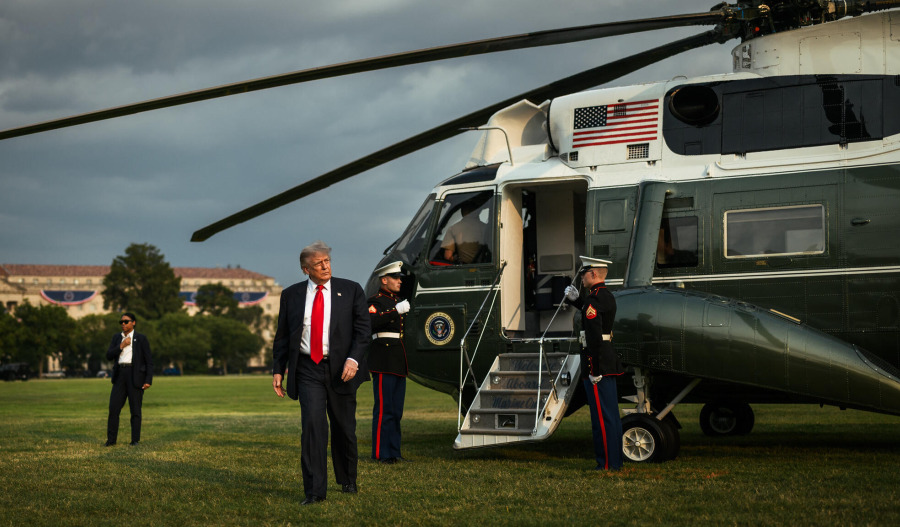
Oil prices settled about 5% lower after U.S. President Donald Trump said talks with Iran to reopen the Strait of Hormuz would take place on Monday, although Iran denied any discussions had been scheduled.
Amazon rose 4.6%, lifting its market capitalisation above US$3 trillion for the first time following its earnings results released last week.
SpaceX gained 5.6% ahead of its first quarterly earnings report since listing, which is due on Tuesday.
Other artificial intelligence-linked companies scheduled to report earnings this week include Advanced Micro Devices, along with data storage firms SanDisk and Western Digital.
Bristol Myers Squibb edged up 0.2% following reports of preliminary merger discussions with AstraZeneca.
A combination of the two companies could create one of the world's largest pharmaceutical groups, with an estimated value of almost US$400 billion.

Meanwhile, according to exclusive reporting by Reuters, New York Federal Reserve President John Williams said he remained optimistic inflation pressures would continue to ease gradually.
According to the CME Group FedWatch Tool, markets are pricing in a 64.7% probability of at least a 25 basis point interest rate increase at the Federal Reserve's September meeting.
Among economic data, U.S. manufacturing activity expanded to its highest level in more than four years during July, supported by strong order growth and improved factory employment.
However, the ongoing conflict in the Middle East continued to strain supply chains and keep input costs elevated.
Responses to the Institute for Supply Management's manufacturing survey remained largely negative, with many respondents citing the U.S.-Israeli conflict with Iran as a major concern.
The ISM manufacturing PMI rose to 55.6 in July from 53.3 in June, marking its highest reading since May 2022 and exceeding economists' expectations of 54.0.
Investors will also monitor a series of labour market reports this week, culminating in Friday's closely watched U.S. non-farm payrolls report.
On the bond markets, 10-year and two-year Treasury yields fell 0.9% and 0.5% to 4.6765% and 4.241%, respectively.