Wall Street’s major indexes closed lower on Tuesday (Wednesday AEST), with technology stocks leading declines as Treasury yields surged to multi-year highs amid persistent inflation concerns and ongoing uncertainty surrounding tensions between the United States and Iran.
The Dow Jones Industrial Average fell 322.2 points, or 0.7%, to 49,363.9, while the S&P 500 dropped 49.4 points, or 0.7%, to 7,353.6. The Nasdaq Composite lost 220 points, or 0.8%, to finish at 25,870.7.
The S&P 500 and Nasdaq both recorded a third consecutive session of losses as investors locked in profits following a sharp rally that began in late March.
Bond market volatility remained a key focus for investors. The 30-year Treasury yield settled 1.2% higher at 5.183%, it's highest level since 13 July 2007.
Meanwhile, the benchmark 10-year Treasury yield rose 1.8% to 4.667%, marking its highest level since 16 January 2025. The 2-year Treasury yield also advanced 1.9% to 4.122%, its highest since 26 February 2025.
Elevated oil prices continued to fuel inflation concerns despite crude easing slightly during the session. Brent crude futures for July delivery fell 0.73% to settle at US$111.28 per barrel, while U.S. West Texas Intermediate crude futures slipped 0.2% to $104.15 per barrel.
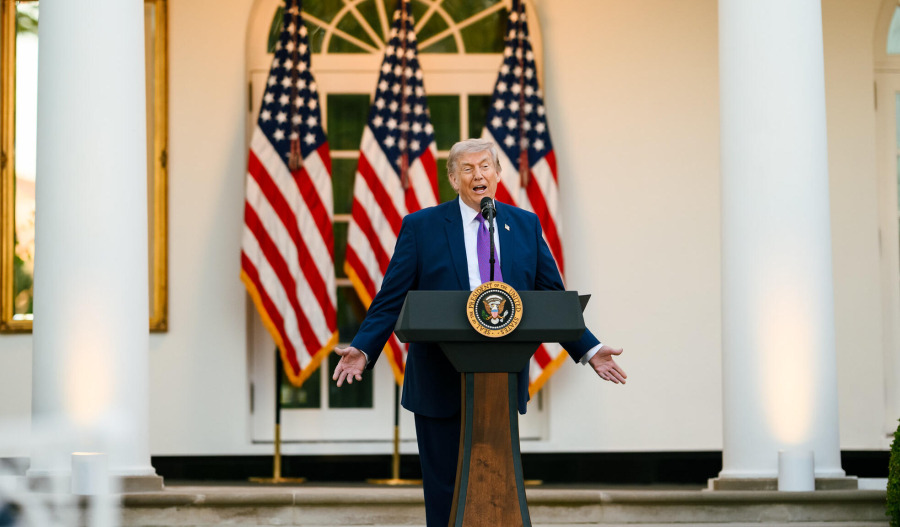
Oil prices initially moved lower after U.S. President Donald Trump announced late Monday that he had paused plans for military action against Iran following requests from regional Middle Eastern leaders to “hold off”.

However, geopolitical tensions remained elevated after reports emerged that the United States had seized an oil tanker linked to Iran in the Indian Ocean, according to three U.S. officials who spoke with The Wall Street Journal.
Trump later stated that the U.S. may need to strike Iran again, while adding that Iran was begging for a deal.
U.S. Vice President JD Vance said discussions between Washington and Tehran had made significant progress and suggested neither side wanted a renewed military campaign.
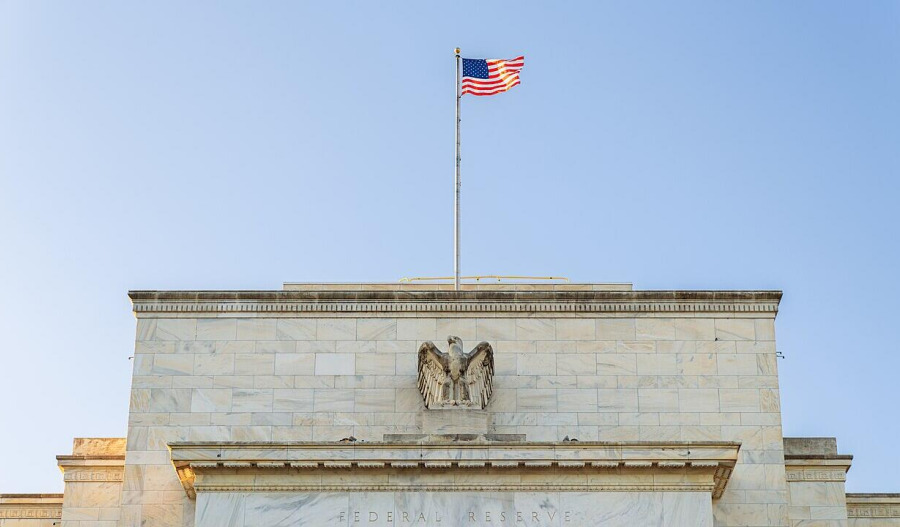
Markets also adjusted expectations for U.S. monetary policy. According to the CME Group FedWatch Tool, traders increased bets on Federal Reserve rate hikes by year-end. Markets were pricing in a 42% probability of a 25-basis-point rate increase in December, while the probability of a 50-basis-point hike rose to 16.4%, up sharply from 4.7% a week earlier.
Investors are now focused on Wednesday’s release of minutes from the Federal Reserve’s most recent policy meeting for further guidance on policymakers’ views regarding inflation and interest rates.
Attention is also turning to artificial intelligence chip giant Nvidia, which is scheduled to release quarterly earnings after Wednesday’s closing bell. Investors will closely monitor the results for further evidence that AI-driven demand remains strong enough to support elevated valuations across the semiconductor sector.
Among individual companies, Akamai Technologies fell 6.3% after the cloud services firm announced a $2.6 billion convertible bond offering.