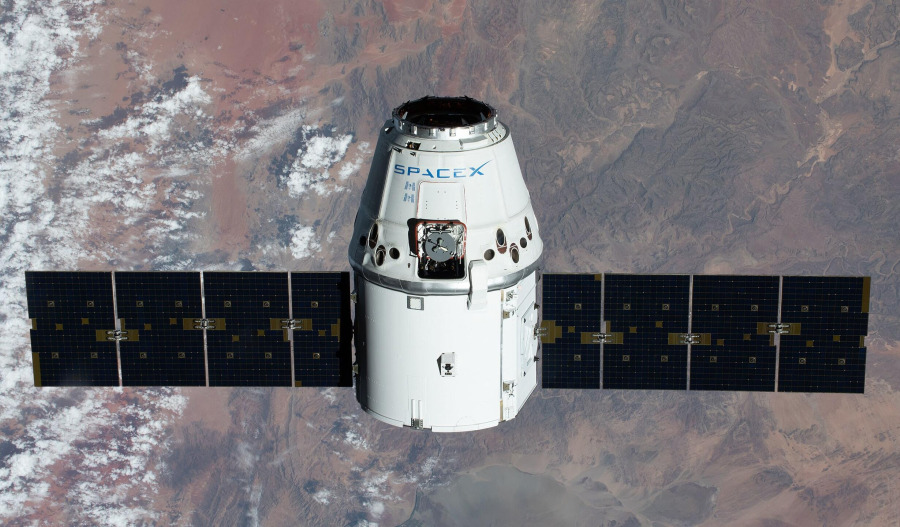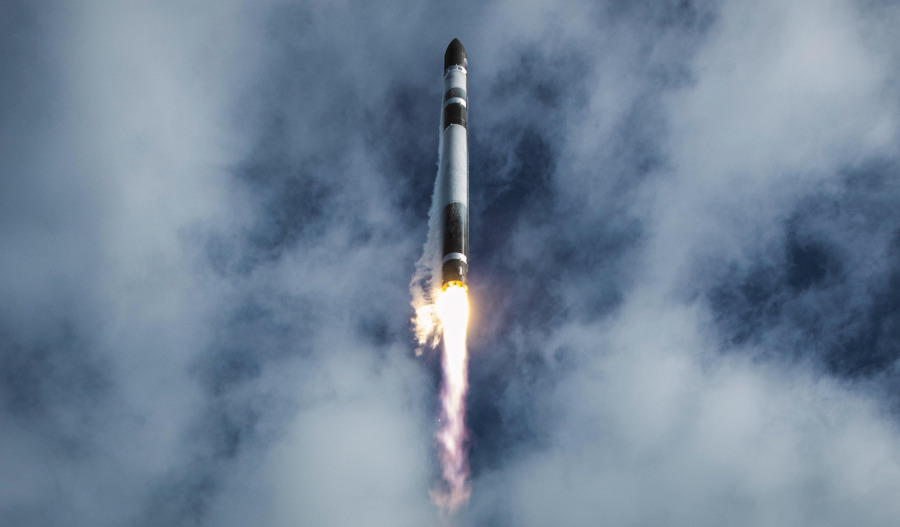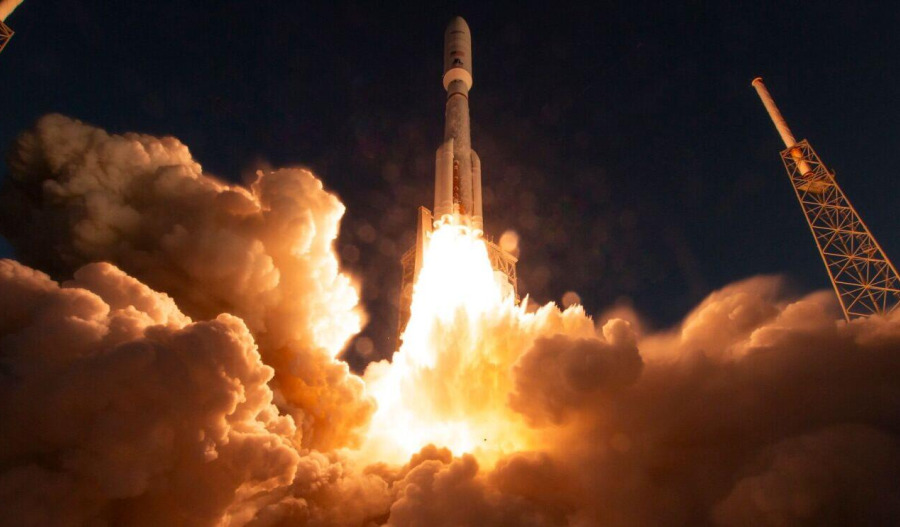

United States' based space equities have gone on a parabolic trajectory following the ratification of a new executive order by President Trump designed to lock in American hegemony above the planet.
The "Ensuring American Space Superiority" directive, signed on 18 December, has acted as hypergolic fuel for the commercial sector, triggering a vertical re-rating for pure-play contenders including Firefly Aerospace (FLY), Intuitive Machines (LUNR), and Rocket Lab (RKLB).
Institutional capital is aggressively rotating into the sector, betting that the policy’s explicit mandate for private-sector heavy lift and defence capabilities will crystallise into billions in National Security Space (NSS) contract vehicles.
The 'Carrington' contingency
Despite the bullish price action, industry heavyweights and government regulators are increasingly vocal about the existential threat posed by extreme space weather events.
A newly declassified report from the Space Weather Operations, Research, and Mitigation (SWORM) interagency working group has flagged a "high probability" window for a Carrington-class geomagnetic storm - a G5-level event capable of crippling unhardened orbital infrastructure.
The concern is that a direct hit from a massive Coronal Mass Ejection (CME) could induce catastrophic "single event upsets" in satellite electronics and dangerously increase atmospheric drag, potentially de-orbiting Low Earth Orbit (LEO) constellations.
In response, the Pentagon has mandated that all future NSS payloads meet stringent "rad-hard" (radiation hardened) specifications.

Gravity-defying space stocks
Commercial players are already pricing this in; Rocket Lab confirmed during its investor briefing that its Photon satellite bus now features advanced shielding and fault-tolerant avionics designed to weather severe solar particle events.
Rocket Lab shares advanced a healthy 17%, benefitting from the sector-wide liquidity injection and its status as the only viable "launch-plus-space-systems" hedge against a potential SpaceX monopoly.
With Elon Musk's SpaceX valuation rumoured to be testing a bonkers $1.5 trillion ahead of a blockbuster 2026 IPO, investors are bidding up Rocket Lab as the most liquid proxy for the launch economy.
The company executed a flawless dedicated mission for JAXA earlier this month and capped the year with a record-breaking launch cadence, successfully deploying a critical payload for the U.S. Space Force ahead of schedule.
Firefly Aerospace also vaulted over 20% in Monday’s session, driven by the macro policy shifts and the stock’s quarterly IPO addition to the Russell 2000 Index, which came into effect on December 22.
This index inclusion has forced the hand of passive trackers and ETFs to accumulate shares, providing a floor for the stock after a volatile post-listing period that saw the company navigate complex developmental milestones following its Blue Ghost Mission 1 success.
Meanwhile, Intuitive Machines is leveraging data from the ESA's Vigil mission - which monitors the sun-to-Earth line - to develop autonomous "safe mode" protocols for its lunar landers, ensuring asset survivability during peak solar maximums.
The company emerged as the Monday trade session’s alpha, with the ticker surging ~35% as the market woke up to its pivot from lander R&D to full-stack lunar infrastructure.
Buy-side conviction was underpinned by the firm’s $8.2 million award from the Air Force Research Laboratory (AFRL) to mature nuclear isotope power systems - a prerequisite technology for the permanent bases outlined in the White House’s new doctrine.
Further fuelling the bull case is the rumoured integration of Lanteris Space Systems (formerly Maxar assets), a move that would significantly expand the company’s addressable market in orbital servicing and downmass logistics.