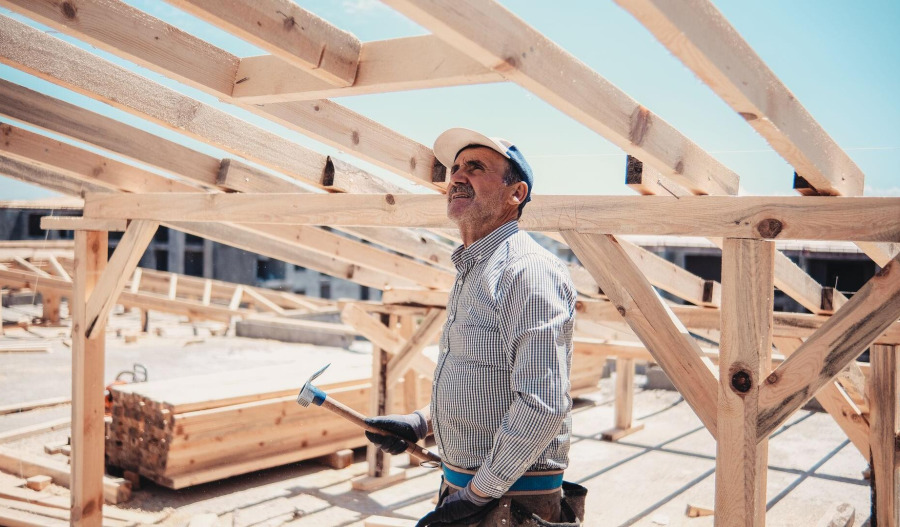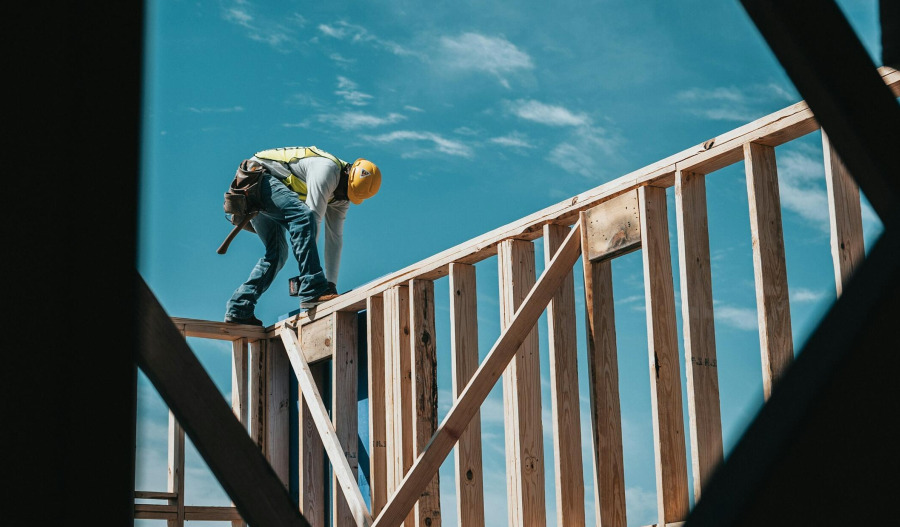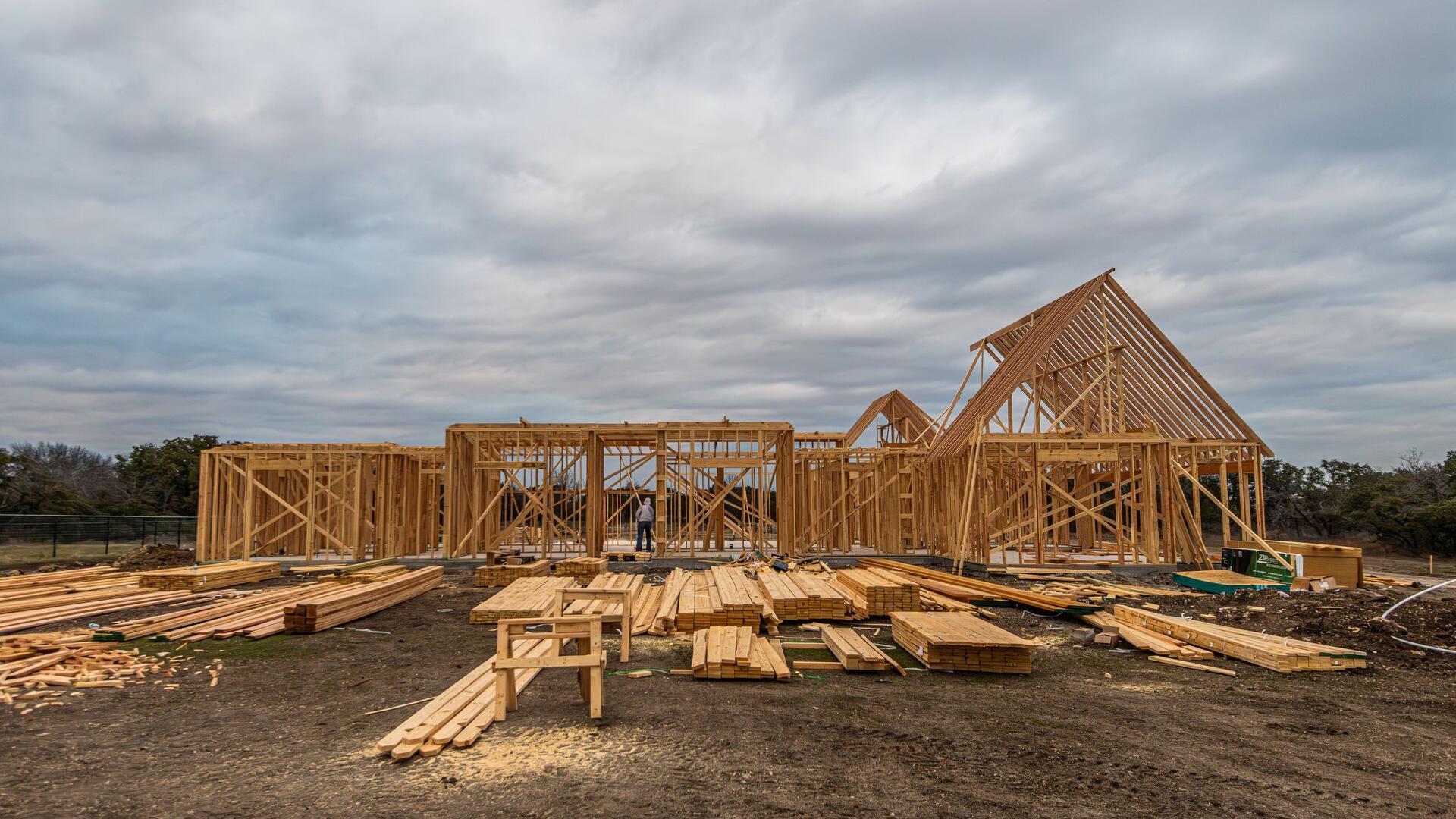
United States single-family homebuilding fell to an eight-month low in May as elevated mortgage rates and higher construction costs continued to pressure the housing sector, increasing the risk that residential investment could remain a drag on economic growth during the second quarter.
Data released by the U.S. Census Bureau and the U.S. Department of Housing and Urban Development on Tuesday showed that weakness in both single-family and multi-family construction pushed overall housing starts to their lowest level in six years.
Builders also continue to face shortages of labour and available building lots, limiting their ability to address a persistent housing shortage that has contributed to affordability challenges across the country.
Residential investment, which includes homebuilding activity, has now contracted for five consecutive quarters.
The weak outlook was reinforced by a National Association of Home Builders (NAHB) survey released on Monday, which showed builder confidence deteriorated further in June.
Single-family housing starts, which account for the majority of residential construction, fell 1.9% in May to a seasonally adjusted annual rate of 882,000 units.
The reading marked the lowest level since September last year.
Regionally, single-family construction declined in the South and West but increased in the Northeast and Midwest. Compared with the same period a year earlier, single-family housing starts were down 6.7%.
Higher borrowing costs have remained a major obstacle for prospective buyers and builders. Mortgage rates increased following the U.S.-Israel conflict with Iran, which drove oil prices higher and contributed to rising inflation expectations and Treasury yields.

The United States and Iran announced on Sunday that they had agreed on terms to end the conflict and reopen the Strait of Hormuz. Prior to the war, the housing market had already been facing challenges from import tariffs, which increased the cost of building materials and household appliances.
Despite weaker construction activity, permits for future single-family homebuilding rose 0.6% in May to an annual rate of 886,000 units, suggesting some resilience in future development plans.
Permit activity increased in the Midwest and South but declined in the Northeast and West.
On an annual basis, single-family permits fell 1.8%.
Multi-family construction recorded a much sharper decline. Housing starts for projects containing five units or more plunged 41.6% to an annual rate of 284,000 units. Compared with a year earlier, multi-family starts were down 12.3%.
Overall housing starts fell 15.4% in May to a seasonally adjusted annual rate of 1.177 million units, representing an 8.7% decline from the same month last year.
Some economists viewed the slowdown in single-family construction as a necessary adjustment given the elevated stock of unsold new homes available on the market amid subdued buyer demand.
"This pullback should help to prevent an undesired backup in the inventory of new homes," said Stephen Stanley, chief U.S. economist at Santander U.S. Capital Markets was quoted as saying in a Reuters article.
Permits for multi-family housing projects declined 3.5% to an annual rate of 474,000 units during the month.
Overall building permits slipped 0.7% to an annual rate of 1.413 million units and were down 0.2% compared with May last year.