More than US$121 billion worth of renewable energy investment in the United States is at risk as permitting delays continue to slow the development of wind, solar and energy storage projects needed to meet growing electricity demand, according to a report released by energy research firm Wood Mackenzie.
The report, published on Monday, highlights the tension between President Donald Trump's push to accelerate energy infrastructure to support the rapid expansion of artificial intelligence (AI) and his administration's opposition to renewable energy development.
Wood Mackenzie examined early-stage renewable energy projects valued at approximately $121 billion that face investment risks because of prolonged permitting delays.
The report found that 92 gigawatts of clean energy capacity, enough to supply electricity to around 69 million homes, is now subject to heightened federal scrutiny following policy changes introduced last year.
Among those changes was a Department of the Interior directive requiring senior-level approval for renewable energy permits at every stage of the process.
"Since 2025, dozens of gigawatts of early-stage capacity have been cancelled or stalled across solar, wind and energy storage. However, it's important to note that not all cancellations are due to permitting challenges. Some also stem from supply chain constraints and tighter financing conditions," said Kaitlin Fung, senior research analyst at Wood Mackenzie.
According to the analysis, solar projects face the largest absolute exposure to additional federal review, with around 30% of the development pipeline considered at risk.

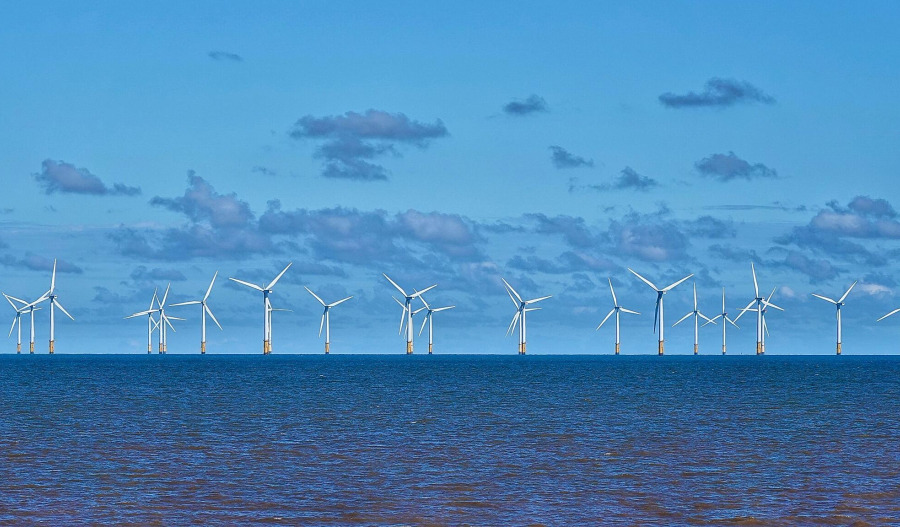
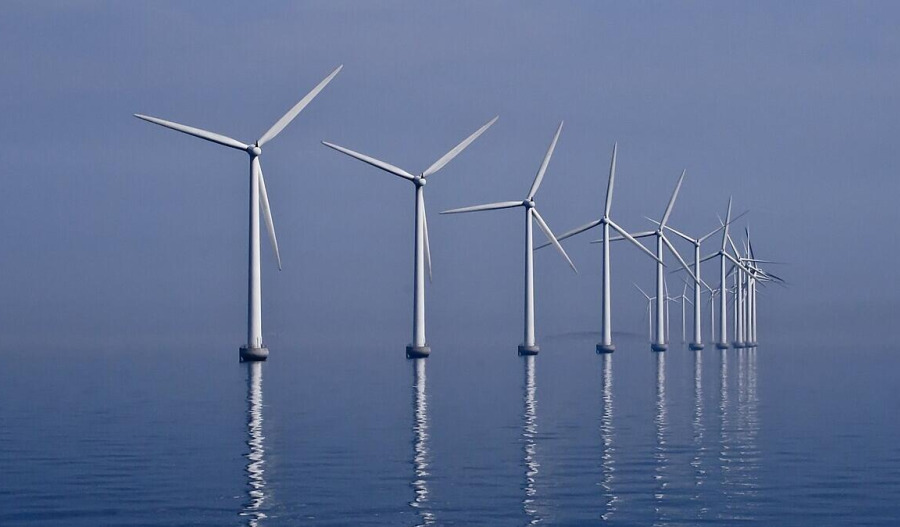
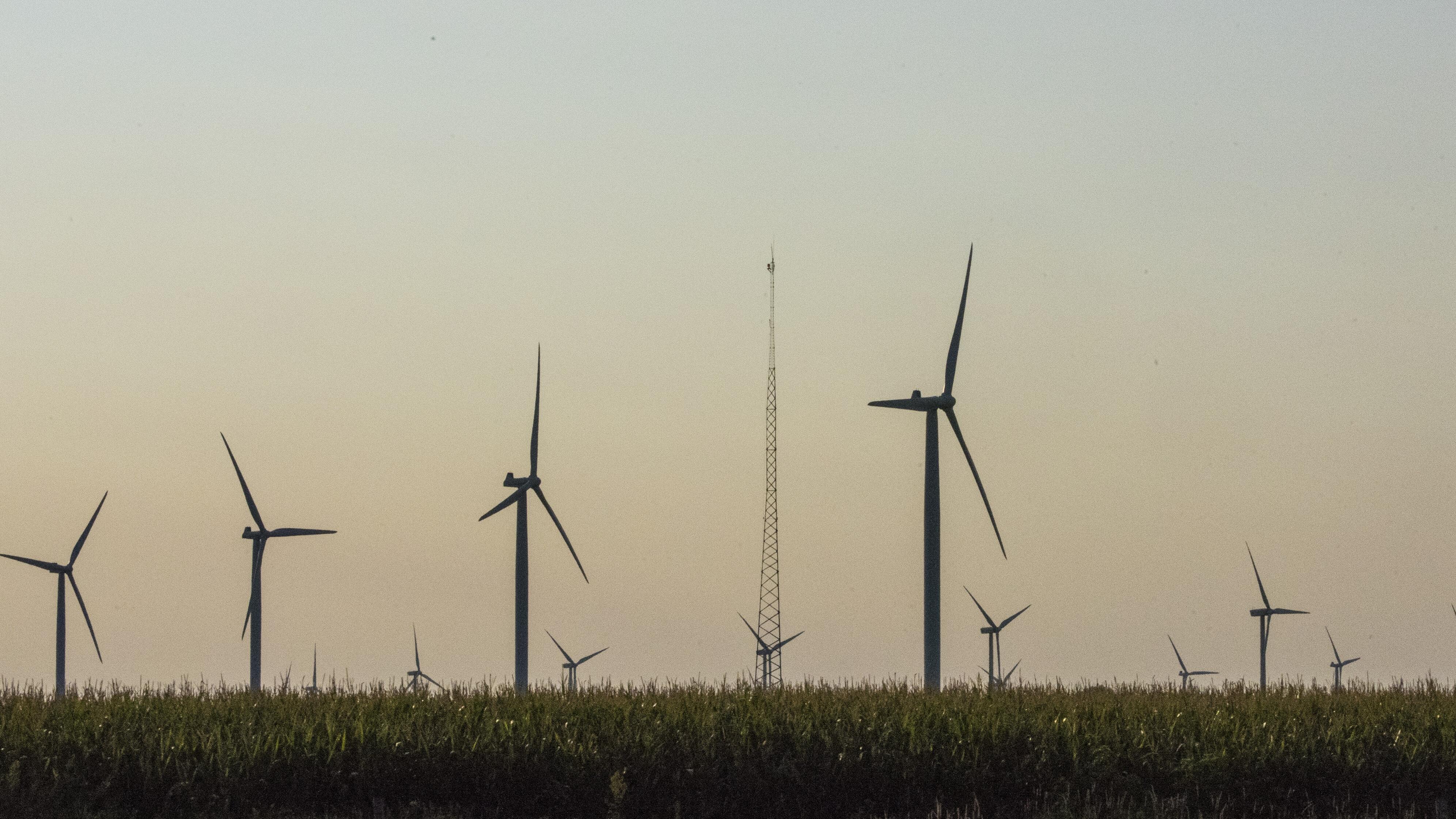
Wind projects are proportionally the most affected, with 62% of planned capacity facing increased scrutiny, excluding the ongoing Federal Aviation Administration review pause.
More than one-quarter of planned energy storage capacity is also subject to heightened permitting requirements.
Wood Mackenzie said permitting for projects located in wetland areas, which falls under the jurisdiction of the U.S. Army Corps of Engineers, remains the primary bottleneck for developments on private land.
Wind projects are also experiencing delays because of slower airspace reviews conducted by the Department of Defense.
Overall, the report estimates that about 32% of the United States' early-stage renewable energy pipeline is now subject to additional federal oversight.
The findings come as lawmakers from both major political parties continue efforts to reform the permitting process. Wood Mackenzie said legislation passed by the House of Representatives last year would significantly reduce approval timelines for large infrastructure projects if enacted.
"Permitting remains one of the most critical barriers to advancing new projects, and without more coordinated and predictable processes, delays and uncertainty will continue to weigh on development timelines and investment decisions,” Gaby Ackermann Logan, a research associate at Wood Mackenzie, said in a news release.