The United States government will pay nearly US$1 billion to TotalEnergies to abandon planned offshore wind projects and redirect investment into oil and gas, in a move that signals a significant shift in federal energy policy under the Trump administration.
The agreement, announced at the CERAWeek conference in Houston, will see the Department of the Interior reimburse TotalEnergies around $928 million for leases purchased in 2022 for wind development off New York and North Carolina.
In exchange, the company has committed to invest an equivalent amount into fossil fuel projects, including liquefied natural gas infrastructure and upstream oil and gas production.
The deal underscores a broader policy pivot away from offshore wind and towards domestic fossil fuel expansion.
It also introduces a new mechanism for curbing renewable development: Compensating developers to exit projects before construction begins.
According to a U.S. Department of the Interior statement, TotalEnergies has agreed not to pursue any new offshore wind projects in the country.
The leases in the New York Bight and Carolina Long Bay areas - acquired for a combined $928 million - will be terminated once the company reallocates the funds into approved energy investments.
TotalEnergies said the redirected capital would support development of the Rio Grande LNG export facility in Texas, alongside oil production in the Gulf of Mexico and shale gas operations.
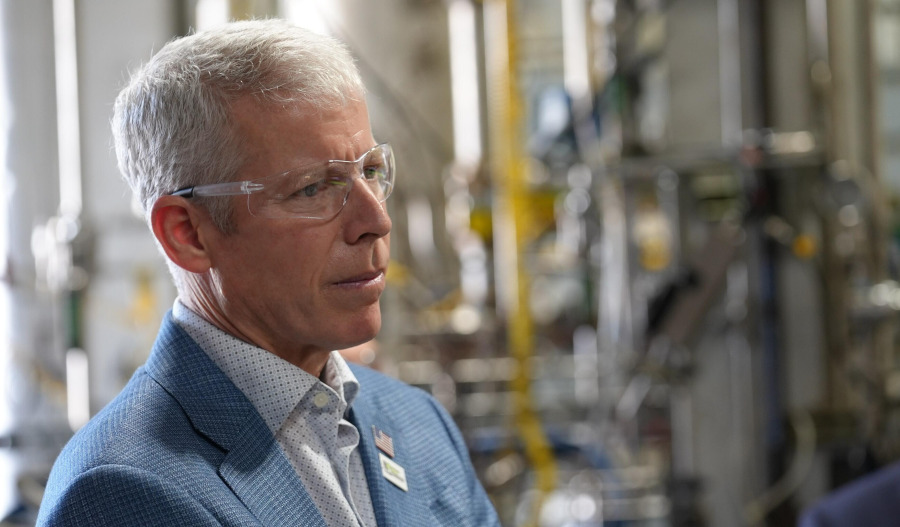
Chief executive Patrick Pouyanné said the company no longer viewed offshore wind in the U.S. as cost-competitive, adding that alternative technologies could meet electricity demand more affordably.

Interior Secretary Doug Burgum described the agreement as aligned with the administration’s focus on “affordable and reliable energy”, reiterating longstanding criticism of offshore wind as costly and subsidy-dependent.
Details of the settlement were also outlined in reporting by Reuters.
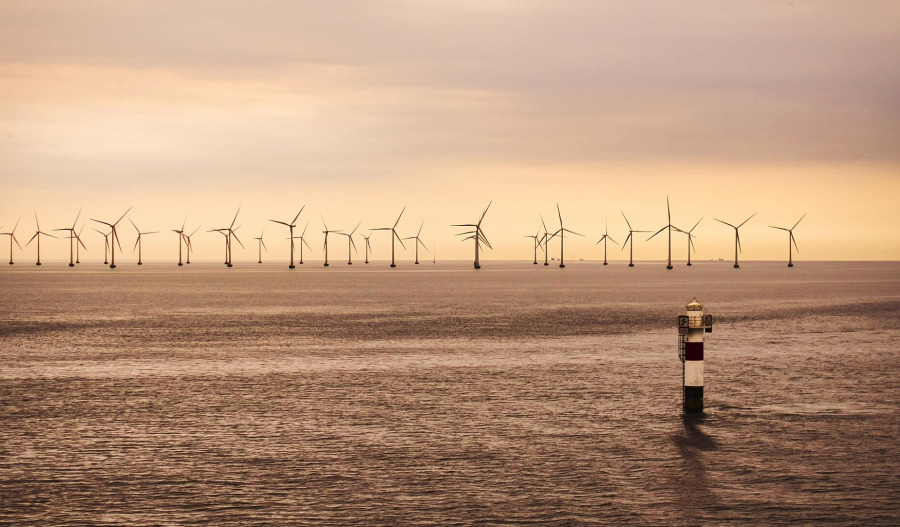
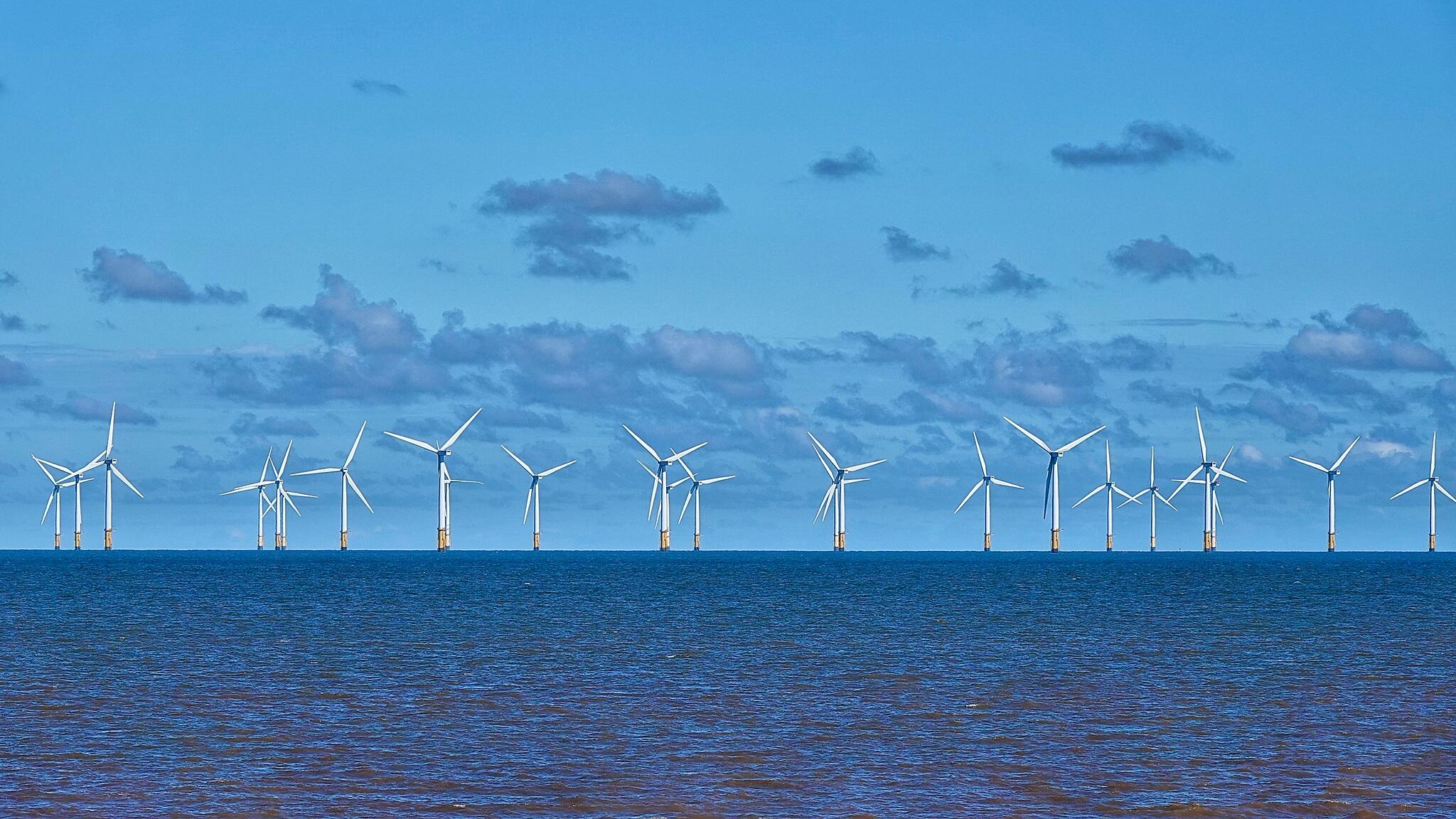
The cancelled projects had the potential to generate more than 4 gigawatts of electricity, according to developers, though neither had secured final long-term contracts.
One component, Attentive Energy One, stalled after New York declined to proceed with a contract in early 2024.
Industry groups and former officials have criticised the move, arguing it removes future generation capacity amid rising electricity demand.
The Oceantic Network said in a statement that using taxpayer funds to halt projects would tighten supply and place upward pressure on energy prices.
Elizabeth Klein, a former director of the Bureau of Ocean Energy Management, said the decision would “increase the cost of energy” along the U.S. East Coast by constraining new supply.
Several developers have indicated they may seek similar reimbursements if projects remain blocked, with total lease exposure across undeveloped offshore wind sites exceeding US$5 billion.
The agreement follows earlier attempts by the administration to halt offshore wind construction through permitting delays and stop-work orders, many of which were overturned in court.
Analysts say the reimbursement model could prove more durable by removing projects from the development pipeline entirely, regardless of future policy changes.