United States natural gas futures posted their largest single-day gain in almost four years on Tuesday as forecasts shifted sharply colder, raising expectations of surging heating demand and possible supply disruptions during a prolonged Arctic blast.
Futures for February delivery traded up 79 cents or 25.3% to US$3.89 per million British thermal units (mmbtu).
Prices rose as much as 29% intraday to $3.990/mmbtu, marking the strongest daily price increase since early 2022.
The rally was driven by updated weather models pointing to widespread freezing conditions across the United States over the long holiday weekend and into the weeks ahead.
Market positioning also amplified the move. Hedge funds increased bearish bets on natural gas last week, leaving prices vulnerable to a sharp short-covering rally once forecasts turned decisively colder.
“Frigid weather is set to reshape the near-term natural gas outlook as Arctic air masses flash across the eastern U.S. and the huge weather demand gain over the MLK weekend threatens severe market dislocation,” EBW Analytics were quoted as saying in a CNBC story on Tuesday.

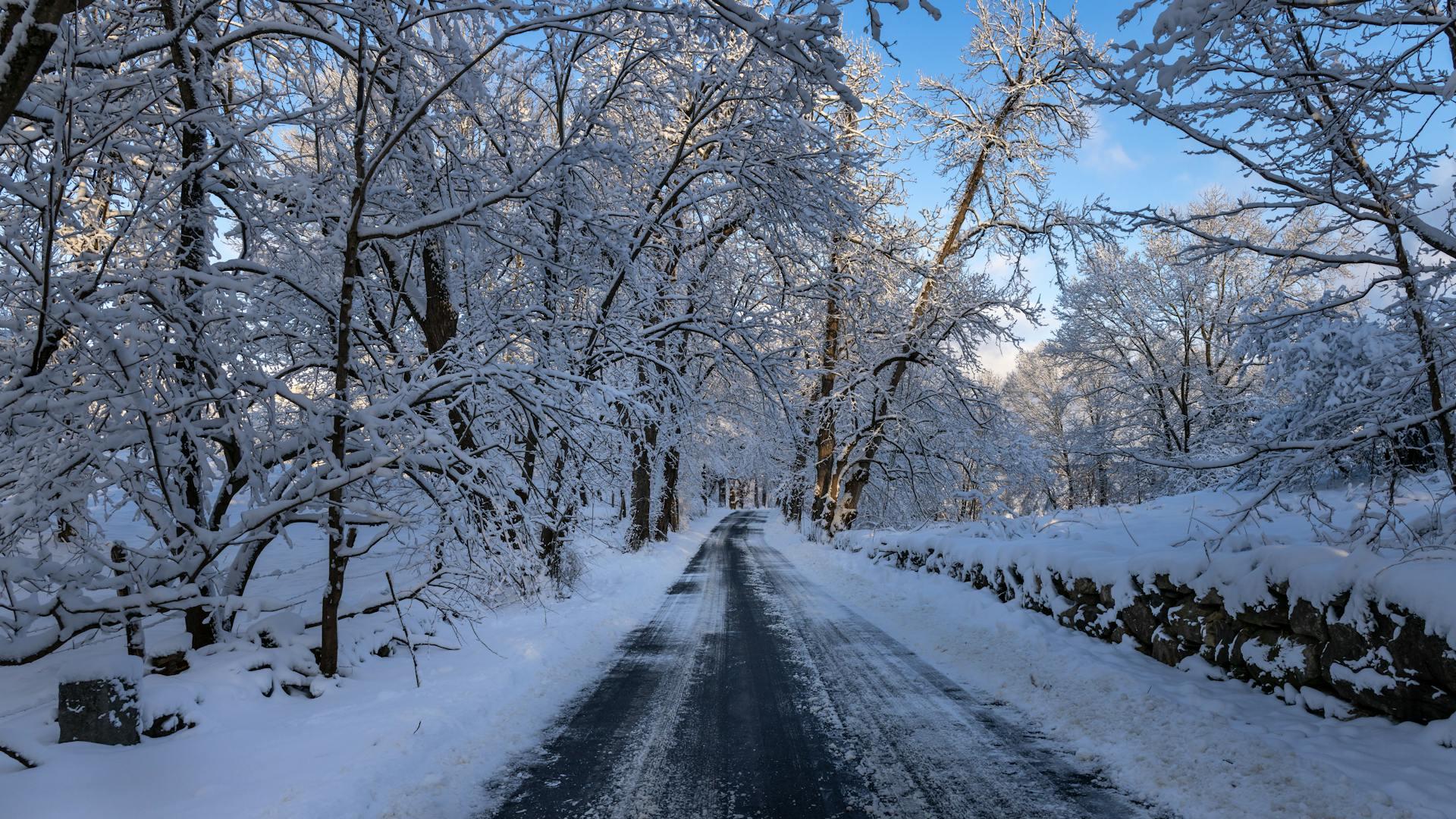
According to the National Weather Service, a major winter storm is expected to bring heavy snow, sleet and freezing rain to the southern Rockies, the Plains and the South by Friday, before shifting toward the East Coast through the weekend.
Much of the U.S. was already experiencing frigid temperatures on Tuesday morning, with conditions threatening production freeze-offs in key energy-producing regions, EBW Analytics noted.
Commodity Weather Group forecast average temperatures at least 8F (4°C) below normal across much of the Midwest, Mid-Atlantic and parts of southern New England through Saturday, reinforcing expectations of elevated heating demand.
The cold is also set to intensify in the South. An Arctic air mass is forecast to push into Texas over the weekend, sending temperatures below freezing across most of the state, Bob Oravec, senior branch forecaster at the U.S. Weather Prediction Center told Bloomberg.
“By Sunday it is pretty much all of Texas except down by Brownsville,” Oravec said.
In addition to the deep freeze, parts of north-central Texas could be hit by an ice storm, while heavy snow is likely across Oklahoma.
The band of freezing temperatures and ice is then expected to spread eastward across Louisiana, Mississippi and Alabama, increasing risks to both energy demand and supply.