United States benchmark indices retreated on Thursday (Friday AEDT), with losses led by financial and technology stocks as investors digested fresh concerns over private credit liquidity and escalating tensions between Washington and Tehran.
The Dow Jones Industrial Average fell 267.5 points, or 0.5%, to close at 49,395.2. The S&P 500 shed 19.4 points, or 0.3%, ending at 6,861.9, while the Nasdaq Composite declined 70.9 points, or 0.3%, to 22,682.7.
Sentiment in the financial sector weakened sharply after alternative asset manager Blue Owl Capital said it would tighten investor liquidity following the sale of $1.4 billion in loan assets, with shares tumbling 5.9% on the session.
The announcement reverberated across the private equity and credit space, intensifying existing concerns about credit quality and lenders’ exposure to software companies.
Apollo Global Management dipped 5.6%, Ares Management lost 3.1%, KKR & Co fell 1.9%.
Technology stocks also faced renewed selling pressure. Apple slipped 1.4%, exerting the largest drag on the S&P 500 by market weight.
Software names were similarly subdued, with Salesforce down 1.3%, Intuit falling 2.1%, and Cadence Design Systems losing 2.8%.
Among individual movers, Walmart eased 1.4% after newly appointed chief executive John Furner began his tenure with a conservative fiscal 2027 outlook, alongside announcing a $30 billion share buyback programme.
In contrast, Deere & Co surged 11.6% after the farm equipment maker raised its full-year profit forecast and exceeded estimates for first-quarter earnings.

Advertising group Omnicom jumped 15.4% after reporting fourth-quarter revenue above expectations.
Online used-car retailer Carvana slid 8% after missing fourth-quarter profit forecasts.
EPAM Systems plunged 17% as investors reacted negatively to its cautious first-quarter outlook.
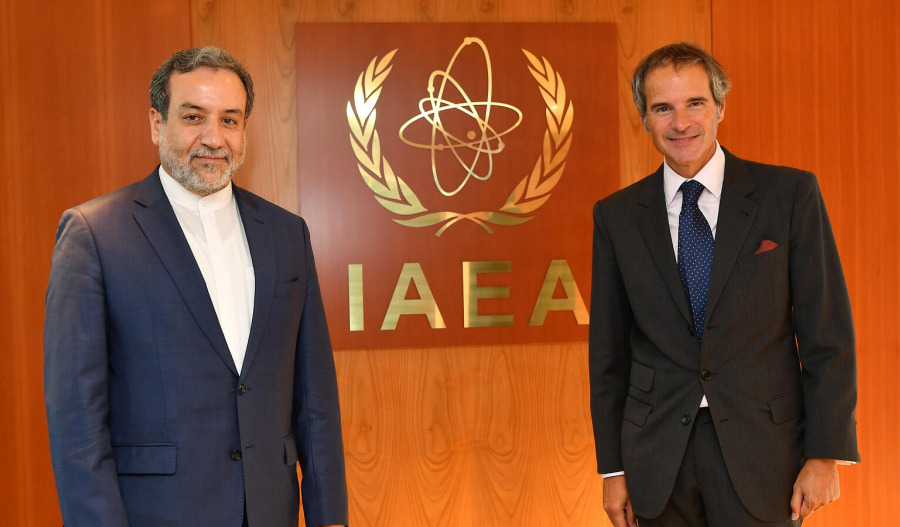
Beyond corporate developments, geopolitical tensions remained firmly in focus. Oil prices extended recent gains amid a standoff between the United States and Iran over Tehran’s nuclear programme.
President Donald Trump said he would decide within the next 10 days whether to authorise military strikes against the Middle Eastern country.
“So now we may have to take it a step further, or we may not,” Mr Trump said during the inaugural Board of Peace meeting. “Maybe we’re going to make a deal. You’re going to be finding out over the next probably 10 days.”
The prospect of further escalation in the region added to market caution, particularly as higher crude prices could complicate the inflation outlook and monetary policy trajectory.
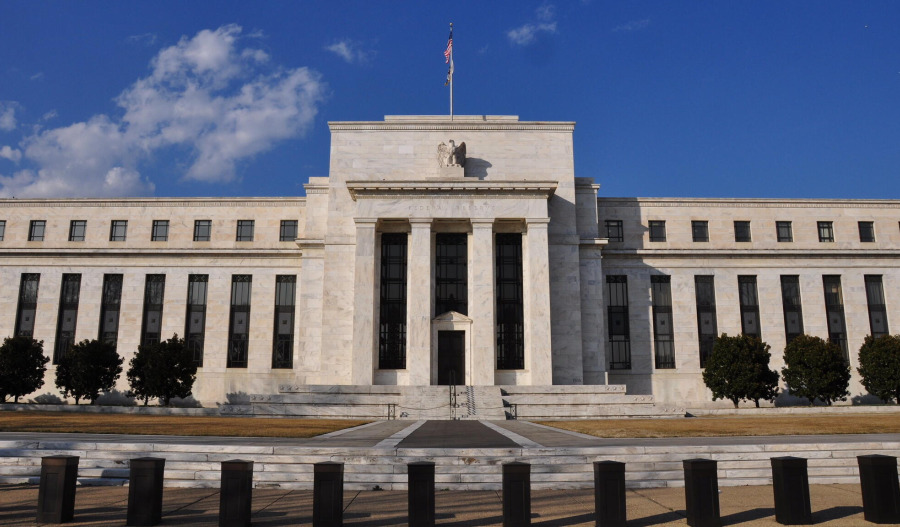
Investors also continued to assess the latest minutes from the Federal Reserve, released on Wednesday, which indicated policymakers remained divided over the appropriate path for interest rates later this year.
On the bond markets, yields edged lower. The 10-year U.S. Treasury yield slipped 0.3% to 4.702%, while the 2-year yield eased 0.1% to 3.464%.