United States equities declined sharply on Wednesday (Thursday AEDT), as investors reacted to persistent inflation concerns and cautious signals from the Federal Reserve.
The Dow fell 768.1 points, or 1.6%, to close at 46,225.2 and marking a new closing low for 2026. The S&P 500 declined 91.4 points, or 1.4%, to 6,624.7, while the Nasdaq Composite dropped 327.1 points, or 1.5%, to finish at 22,152.4.
The sell-off followed the Fed’s latest policy decision, which saw officials hold the federal funds rate within a target range of 3.5% to 3.75%.
In its post-meeting statement, the central bank warned that “the implications of developments in the Middle East for the U.S. economy are uncertain”.
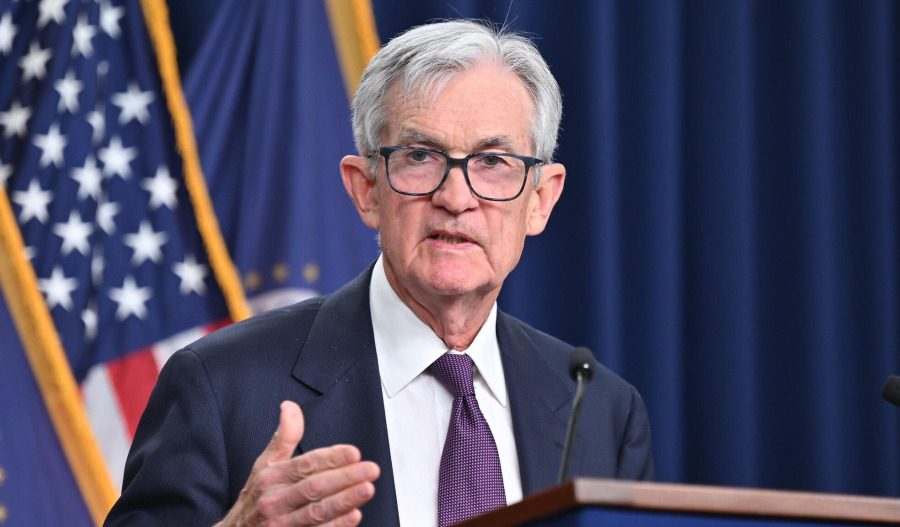
Speaking at a press conference, Fed Chair Jerome Powell acknowledged that progress on inflation has been slower than anticipated.
“The forecast is that we will be making progress on inflation, not as much as we had hoped, but some progress on inflation,” he said.
Despite the cautious tone, policymakers indicated they still expect one interest rate cut later this year.

Economic data added to market unease, with the latest producer price index showing wholesale prices rose 0.7% in February, significantly above the 0.3% increase expected.
The stronger-than-forecast reading suggested inflationary pressures were already building prior to the escalation of conflict involving Iran.
Oil markets moved higher amid supply fears. International benchmark Brent crude rose 3.83% to settle at US$107.38 per barrel, while West Texas Intermediate crude futures edged higher to close at $96.32 per barrel.
Geopolitical tensions intensified following reports that Israel had struck Iran’s largest gas processing facility in Bushehr Province.
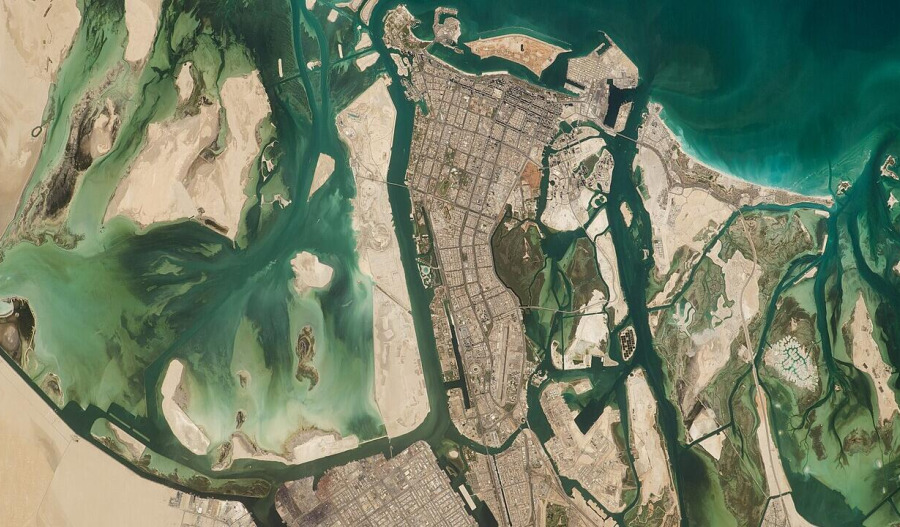
In response, Iran has threatened further attacks on energy infrastructure across the region, including facilities in Saudi Arabia, the United Arab Emirates and Qatar.
Recent strikes targeting UAE energy assets have already raised concerns over disruptions to global crude supply and shipping routes.
Bond markets also reflected the shift in sentiment, with yields moving higher. The 10-year Treasury yield rose 1.6% to 4.265%, while the 2-year yield climbed 1.8% to 3.779%.