The United States Federal Reserve has held its benchmark interest rate steady, as policymakers assess persistent inflation pressures, mixed labour market signals and the uncertain economic fallout from the war with Iran.
In a widely anticipated move, the Federal Open Market Committee voted 11-1 to maintain the federal funds rate within a target range of 3.5%-3.75%.
The benchmark rate influences borrowing costs across the economy, from consumer loans to business financing.
In its post-meeting statement, the central bank made only minor adjustments to its economic outlook, projecting slightly stronger growth alongside higher inflation for 2026.
Despite the elevated uncertainty, officials continued to signal that rate cuts remain likely over the coming years.
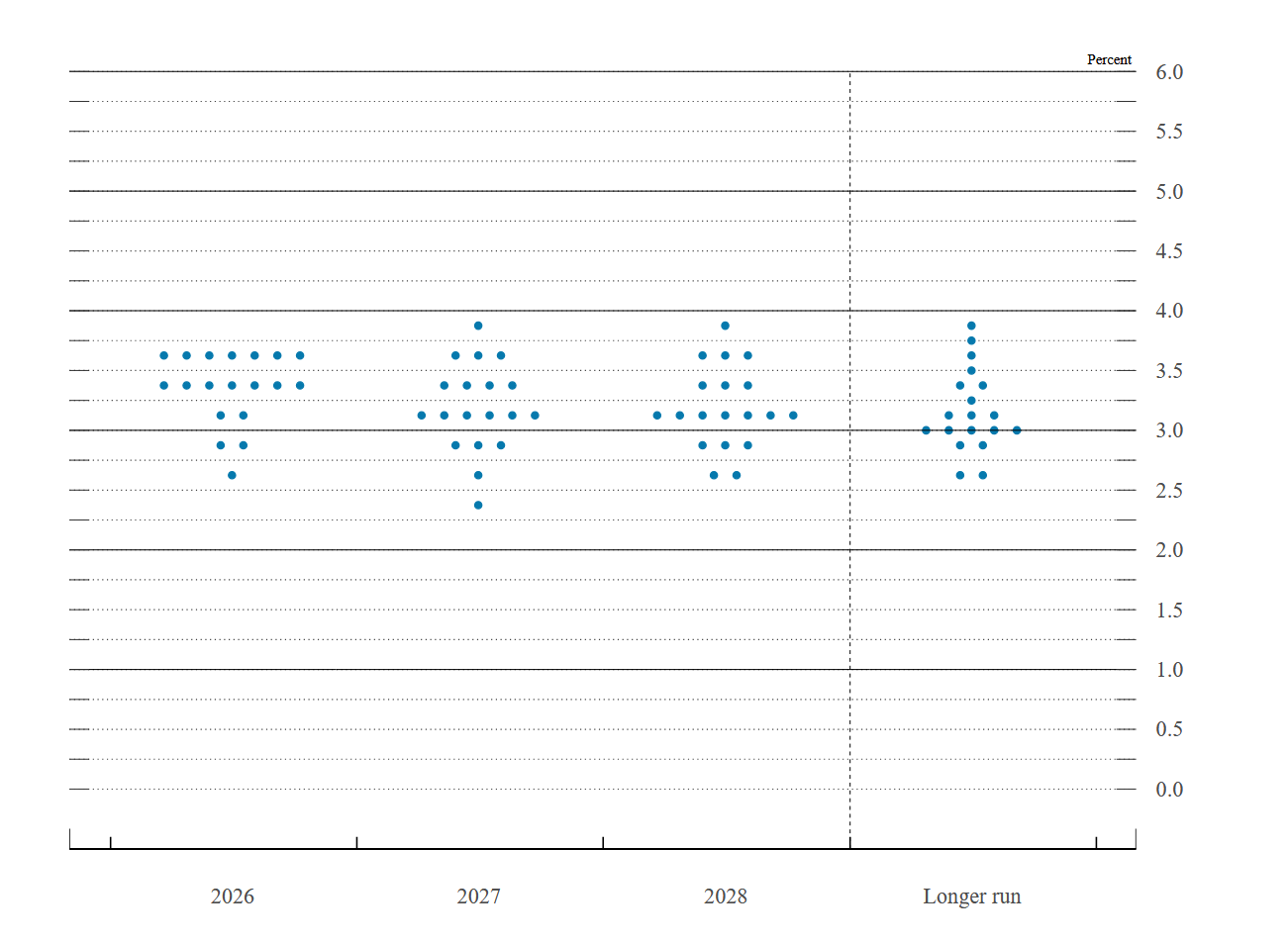
The closely watched “dot plot” indicated expectations for one rate reduction this year and another in 2027, though the timing remains unclear.
Of the 19 policymakers, seven now anticipate no rate changes this year, one more than in the previous update. The median projection suggests the federal funds rate will settle around 3.1% over the longer term.
A key source of uncertainty remains the ongoing conflict involving Iran, which has disrupted global energy markets, particularly through its impact on the Strait of Hormuz.
The resulting surge in oil prices has raised concerns that inflation could remain above the Fed’s 2% target for longer than expected.
“The implications of developments in the Middle East for the U.S. economy are uncertain,” the Fed said in its statement.

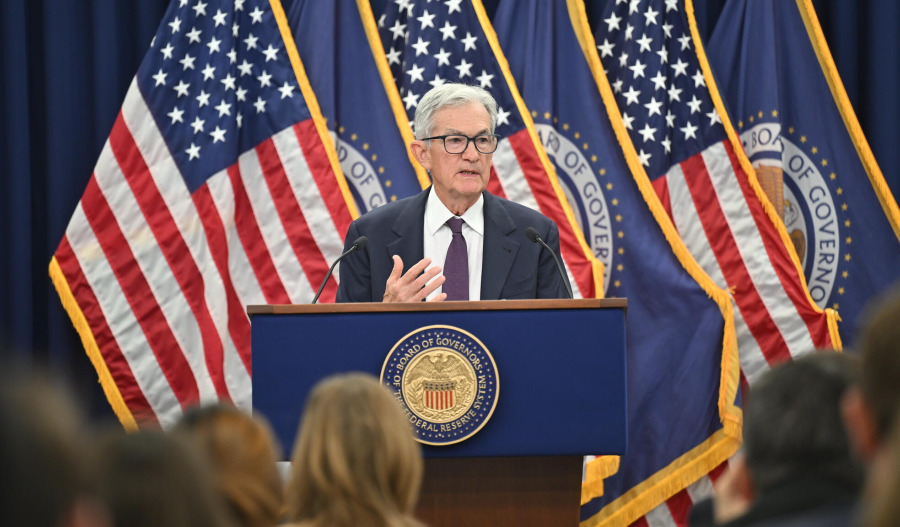
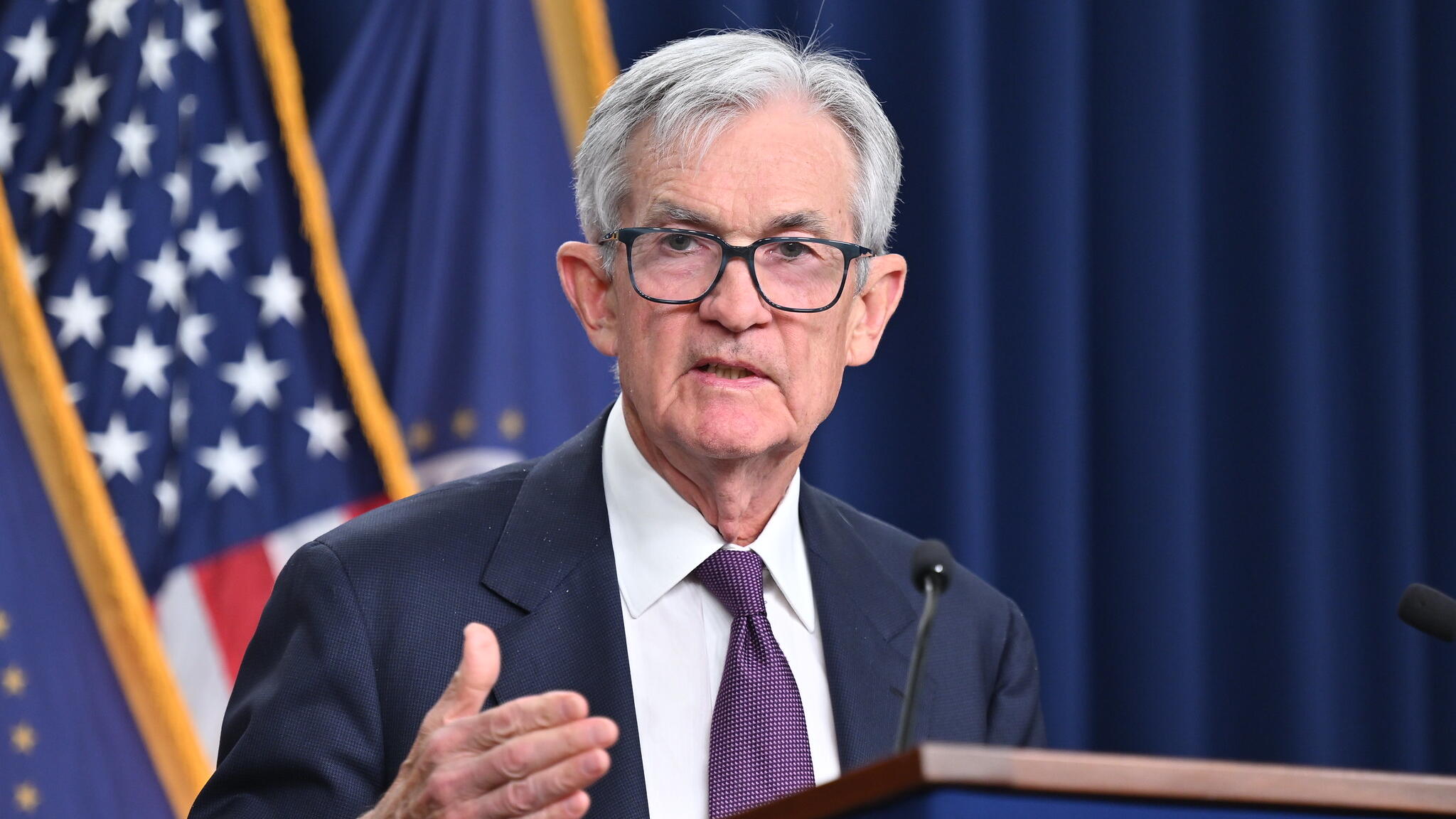
Powell echoed that sentiment during his press conference, stating it was “too soon to know” the full economic impact of the conflict.
“Near term measures of inflation expectations have risen in recent weeks, likely reflecting the substantial rise in oil prices caused by the supply disruptions in the Middle East,” he said.
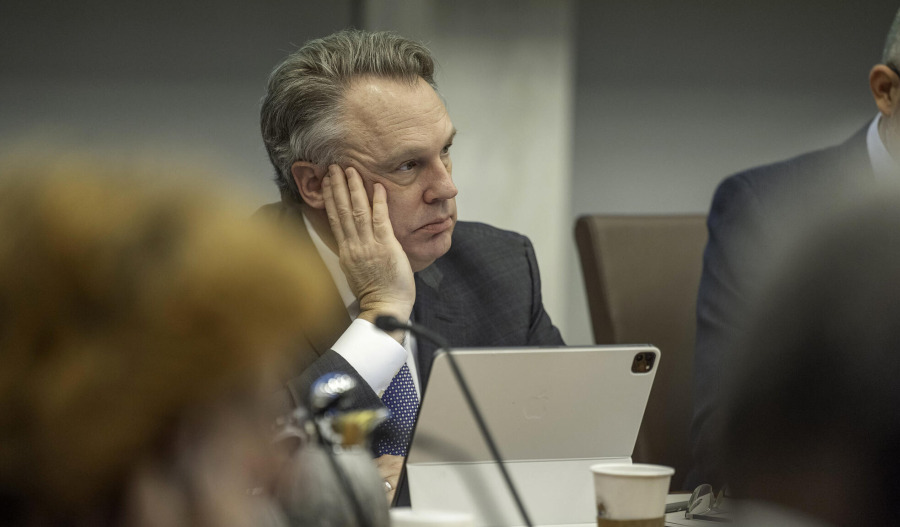
Dissent within the committee was limited, with Governor Stephen Miran again voting for a 25 basis point rate cut, citing growing concerns about labour market conditions.
Meanwhile, Governor Christopher Waller, who had previously supported a cut, voted to hold rates at this meeting.
Prior to the escalation in the Middle East, markets had been pricing in at least two rate cuts this year, with a possibility of a third. However, stronger-than-expected inflation data and rising energy prices have tempered those expectations, with traders now anticipating at most one reduction in 2026.
Updated economic projections showed the Fed expects gross domestic product to expand by 2.4% this year, a modest increase from previous forecasts. Growth is expected to remain resilient, reaching 2.3% in 2027.
Inflation projections were also revised higher, with the personal consumption expenditures index now expected to rise 2.7% this year, both on a headline and core basis. Policymakers, however, still foresee inflation returning closer to the 2% target in subsequent years as the effects of tariffs and the war diminish. The unemployment rate is projected to reach 4.4% by the end of the year, despite recent softness in payroll data.
The Fed’s decision comes amid mounting political pressure from Donald Trump, who has repeatedly called for lower interest rates.
Earlier this week, Trump criticised Powell for not convening an emergency meeting to ease policy, even as inflation remains elevated and geopolitical risks intensify.
Powell’s leadership of the central bank also faces uncertainty. His term as chair is set to expire in May, with Trump nominating Kevin Warsh as his successor.
Warsh has previously expressed support for lower interest rates, though he has not recently outlined his policy stance.