American businesses and households are absorbing the overwhelming share of President Donald Trump’s tariffs, according to John Williams, in remarks that directly challenge White House assertions that foreign exporters would shoulder the cost.
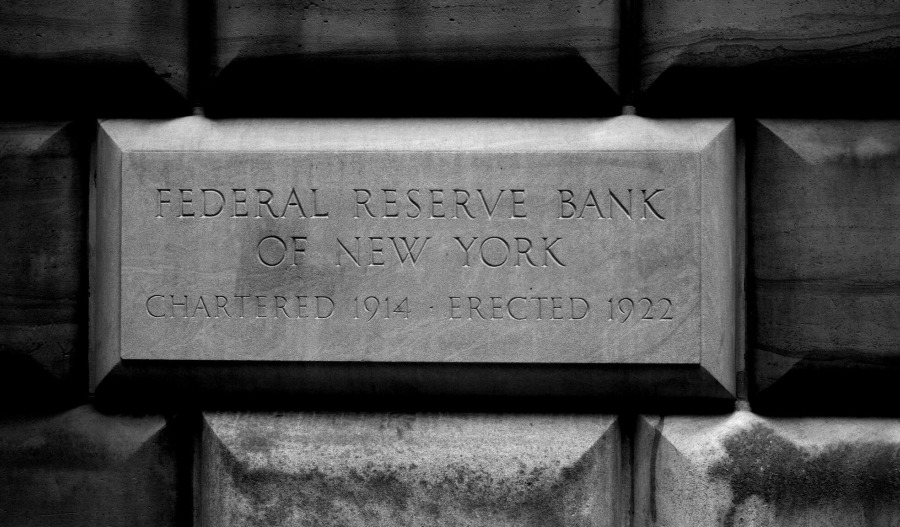
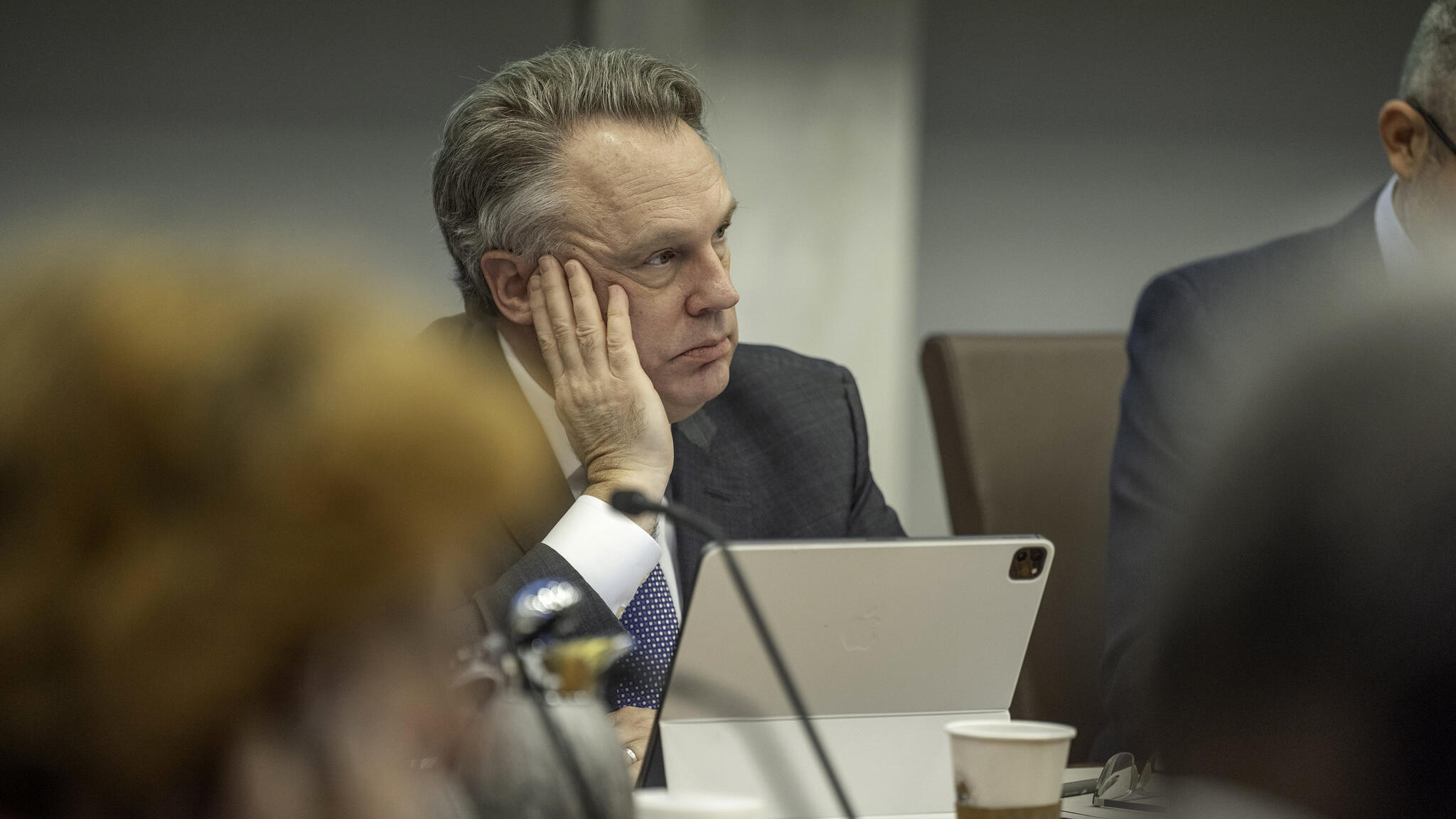
Speaking at a conference in Washington, D.C., the president of the Federal Reserve Bank of New York said recent analysis shows the burden has fallen squarely at home.
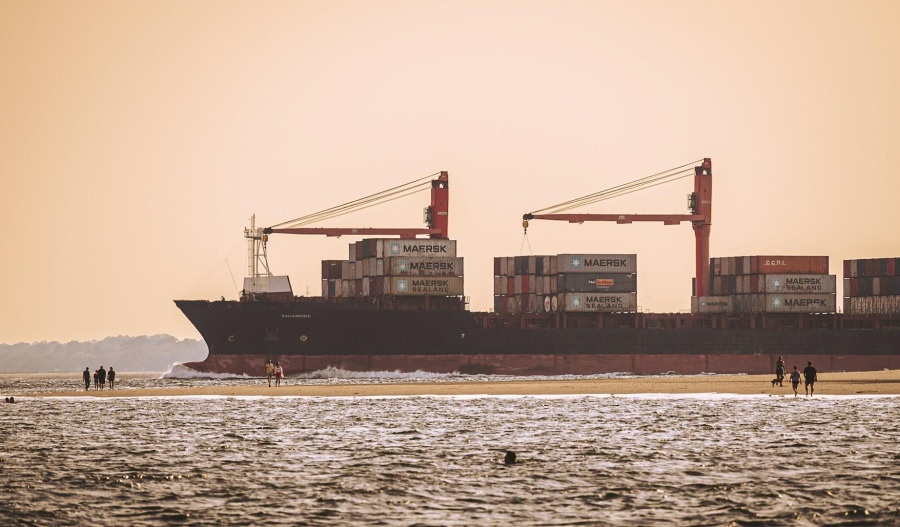
“The tariffs have overwhelmingly been borne domestically — a New York Fed analysis estimates that most of the burden has fallen on U.S. firms and consumers.,” Williams said.
“In addition, the tariffs have already meaningfully increased U.S. prices of imported goods, and the full effects have likely not yet been felt.”
The findings stem from a white paper published on the New York Fed’s website, in which researchers estimated that as much as 90% of the added costs from tariffs had been passed through to domestic producers and consumers.
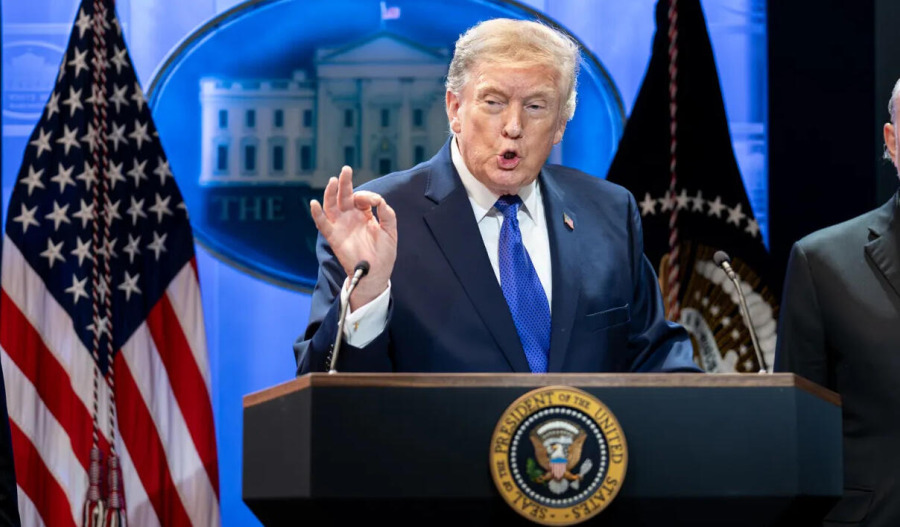
That conclusion contradicts claims by President Donald Trump and other administration officials that foreign exporters would absorb the higher costs rather than raise prices.
The study has generated significant debate in recent weeks. Kevin Hassett, director of the National Economic Council, criticised the research during an appearance on CNBC, suggesting the authors should be “disciplined” for what he described as “the worst paper I’ve ever seen in the history of the Federal Reserve system”.
Williams’ comments marked his first public response to the controversy. Beyond addressing the distributional impact of tariffs, he warned that the measures are complicating the Fed’s path back to its inflation objective.

“My current estimate is that, to date, the increase in tariffs has contributed around one half to three quarters of a percentage point to the current inflation rate of about 3 percent,” Williams said.
“The FOMC defines price stability as 2 percent inflation over the longer run. Owing to the effects of tariffs, progress toward that goal has temporarily stalled.”
The Federal Open Market Committee (FOMC) has set a long-run inflation target of 2%, which it views as consistent with price stability. Williams indicated that tariff-related price pressures have interrupted the recent disinflation trend.
However, he struck a cautiously optimistic tone about the broader outlook. Williams said he expects the inflationary impact of tariffs to prove temporary and forecast that the Fed could return inflation to target by 2027. He also noted that the U.S. economy “appears to be on a good footing”.
Regarding monetary policy, Williams said the current stance is “well positioned” to achieve the central bank’s dual mandate of stable prices and maximum employment.
He signalled that, once tariff-driven effects fade, and inflation resumes a downward trajectory, additional policy easing may become appropriate.
Should inflation continue to moderate, “further reductions in the federal funds rate will eventually be warranted to prevent monetary policy from inadvertently becoming more restrictive,” he said.
Financial markets are currently pricing in expectations that the Fed could resume cutting interest rates later this year, with July or September seen as possible starting points based on futures contracts.
As president of the New York Fed, Williams holds a permanent voting seat on the FOMC, giving him considerable influence over the direction of U.S. monetary policy at a time when tariff policy and inflation dynamics remain closely intertwined.