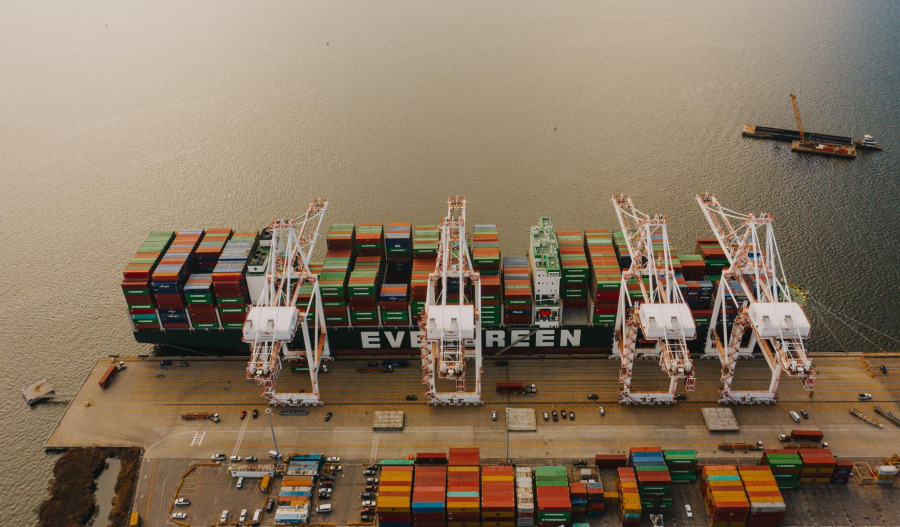
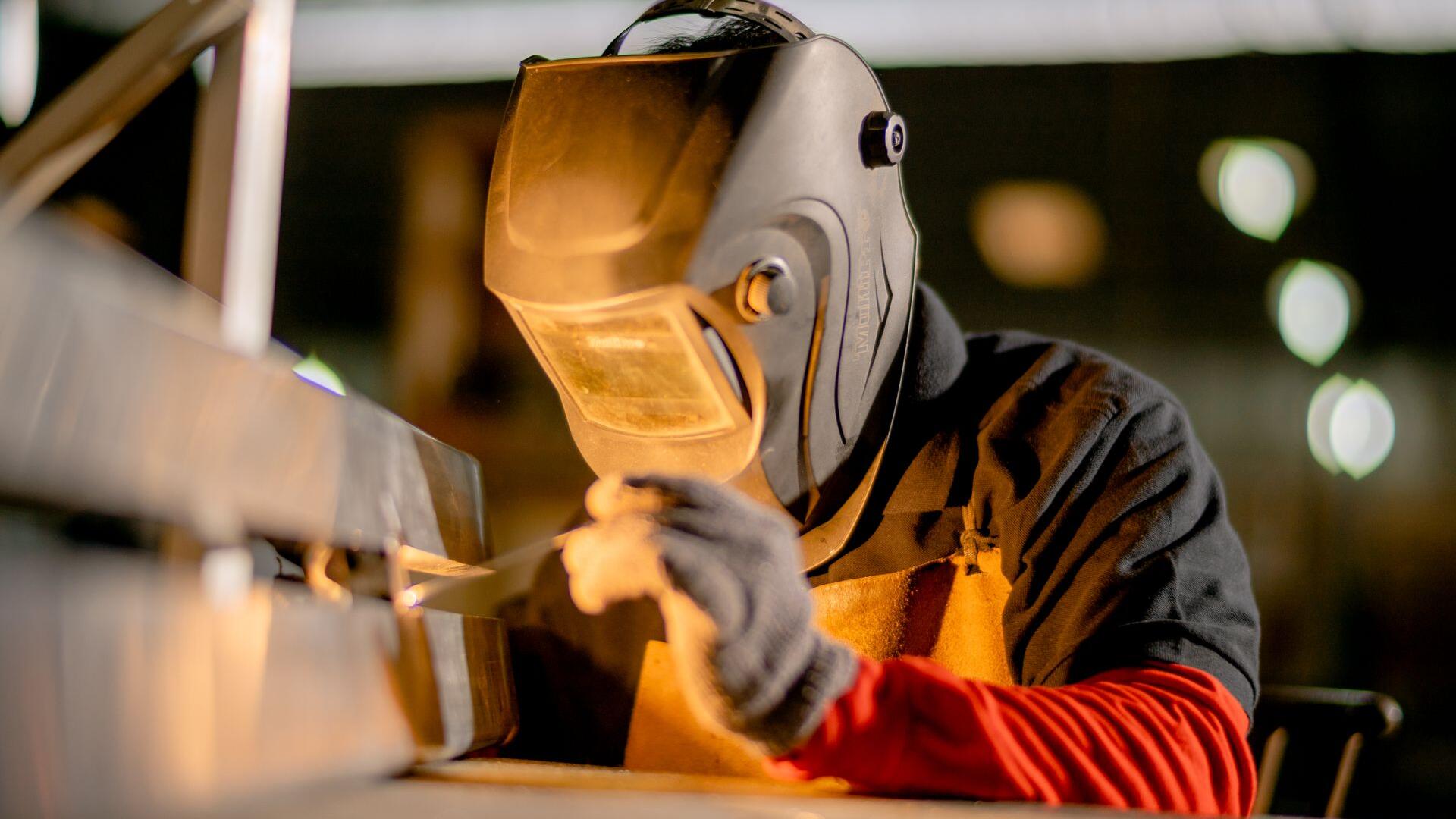
United States manufacturing activity climbed to its highest level in more than four years in July, supported by strong order growth and a rebound in factory employment, although the conflict in the Middle East continued to pressure supply chains and keep input costs elevated.
The Institute for Supply Management (ISM) manufacturing survey showed responses remained largely negative, with the U.S.-Iran war dominating comments from businesses.
Price volatility was also a major concern, with some economists expecting the Federal Reserve could raise interest rates as soon as next month.
The ISM said its manufacturing PMI rose to 55.6 in July, the highest reading since May 2022, from 53.3 in June.
Markets had expected the index to increase to 54.0.
Economists welcomed the improvement in activity, particularly the return to manufacturing employment growth for the first time in 33 months.
Manufacturing, which represents around 9.4% of the economy, has been supported by businesses bringing forward orders to avoid higher prices and shortages linked to the conflict.
An artificial intelligence buildout has also supported activity in the technology sector, helping offset the impact of import tariffs on manufacturing.

With business inventories at historically low levels, economists said there remains room for further expansion. The Federal Reserve reported last month that factory production grew at its fastest pace in four years during the second quarter.
Government data showed business inventories declined for five consecutive quarters.
Fifteen manufacturing industries, including electrical equipment, appliances and components, primary metals, transportation equipment, machinery, and computer and electronic products, reported growth in July. Chemical products was the only industry to record a contraction.
Susan Spence, chair of the ISM Manufacturing Business Survey Committee, said 62% of comments in the latest survey were negative, while 38% were positive.
"Pricing volatility was mentioned in 57% of negative comments, the Iran war 43%, increasing lead times 22% and tariffs 18%," Spence said.
Survey respondents noted uncertainties across multiple industries.
“We are seeing a very opportunistic and reactive marketplace. If shortage items become available, we opportunistically buy. Some customers are reducing inventory; others are pulling forward demand. As many customers that are slowing down, an equal number are growing. It looks like a lot of shuffling and shifting market share.”
Primary metals producers reported some of the most negative feedback, with one respondent saying:
“No normalcy in sight in the world of metals. It makes me yearn for the coronavirus pandemic chaos, which was more manageable than whatever this is that we are in. At least business is better; however, the components of good business are not. Sharp pricing downturns in aluminum will make things more interesting, as supply levels will prevent those decreases from taking hold across the board. Getting customers to understand that is not always easy.”