United States economic growth slowed in the second quarter as a surge in imports widened the trade deficit, although strong consumer spending and business investment in artificial intelligence infrastructure highlighted the resilience of domestic demand.
Data released by the Commerce Department on Thursday showed the moderation in gross domestic product (GDP) also reflected ongoing inventory drawdowns to meet strong consumer demand, as well as reduced spending linked to the Strategic Petroleum Reserve, which weighed on federal government expenditure.
The figures suggest the economy absorbed the initial oil price shock caused by the Middle East conflict, though renewed hostilities between the United States and Iran continue to pose risks to growth in the second half of the year.
Economists cautioned that consumer spending could come under pressure after the boost from President Donald Trump's "One Big Beautiful Bill" tax refunds faded.
With average petrol prices climbing back above US$4 a gallon, households are also facing rising cost pressures.
Income growth has moderated alongside a stable labour market, while the household savings rate fell to a four-year low of 2.7% in June, leaving consumers with less financial buffer as many continue drawing down savings to maintain spending.
The Commerce Department's Bureau of Economic Analysis estimated GDP expanded at an annualised rate of 1.5% in the second quarter, below economists' expectations of 2.1% and down from 2.1% growth in the first quarter.
Some economists had already lowered their forecasts following the release of June's advance economic indicators earlier this week, with estimates falling as low as 1.5%.

Consumer spending, which accounts for more than two-thirds of U.S. economic activity, rebounded sharply, rising at an annualised rate of 3.2% after increasing just 0.5% in the first quarter.
Spending was supported by larger tax refunds, stronger asset prices benefiting higher-income households, as well as increased activity surrounding the recently concluded FIFA World Cup and midterm election-related spending by non-profit organisations.
Investment in artificial intelligence also remained a key driver of economic activity despite investor concerns over elevated technology valuations. Business spending on equipment rose 15.2%, marking a second consecutive quarter of double-digit growth.
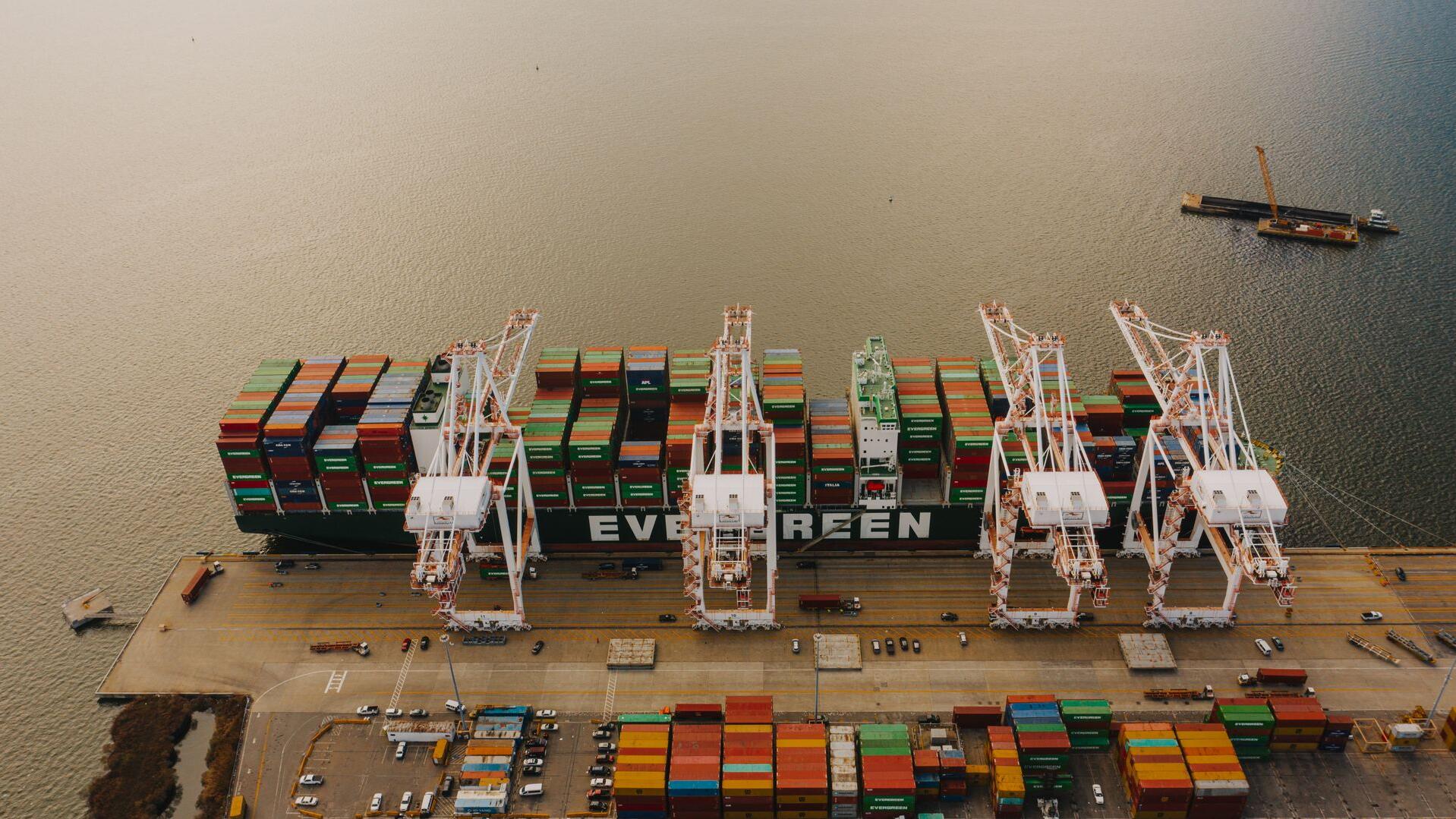
However, the rapid AI expansion continued to rely heavily on imported goods, contributing to a wider trade deficit. Net trade reduced GDP growth by 1.01 percentage points, the largest drag since the first quarter of 2025.
Imports recorded a second straight quarter of double-digit growth as businesses accelerated purchases ahead of expected price increases linked to tariffs and the Iran conflict.
Inventories, which would typically offset higher imports, continued to decline amid strong demand, subtracting a further 0.67 percentage points from GDP growth.
Government spending also weighed on activity, contracting at an annualised rate of 0.8% as federal expenditure fell 4.1%.
In a separate report, the Personal Consumption Expenditures (PCE) price index eased to 3.7% annually in June from 4.1% in May, as a fragile truce between the United States and Iran helped moderate inflationary pressures.
Core PCE inflation, which excludes food and energy, slowed to 3.3% from 3.4% in May, though it has remained above the Federal Reserve's target for the past five years.