United States stock futures were little changed on Monday night (Tuesday AEDT), following a mixed session on Wall Street that pushed the S&P 500 closer to correction territory.
By 10:10 am AEDT (11:10 pm GMT), Dow futures edged up 0.1%, S&P futures were flat, and Nasdaq 100 futures slipped 0.1%.
During the regular session, the S&P 500 declined 0.4%, marking its third consecutive losing session and leaving the index more than 9% below its recent closing high. The Nasdaq Composite dropped 0.7%, while the Dow Jones Industrial Average outperformed with a slight gain of 0.1%.
Investor sentiment continues to be shaped by geopolitical tensions in the Middle East. At the same time, rising oil prices added to concerns about inflationary pressures and economic growth.

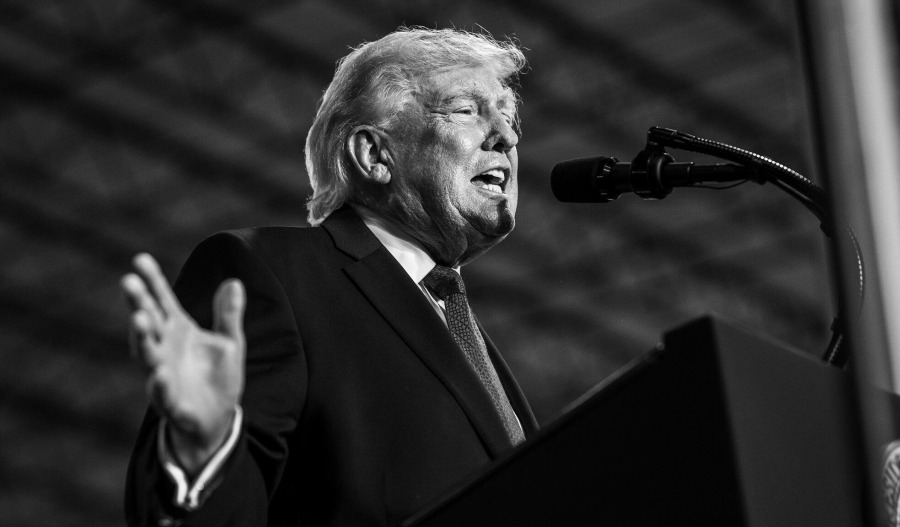
Despite the volatility, markets found some support from signs of potential diplomatic progress. Donald Trump said in a Truth Social post that “great progress has been made” in discussions aimed at ending U.S. military operations in Iran, describing talks with a “more reasonable regime”.
Trump also indicated over the weekend that Iran had accepted most elements of a U.S. 15-point proposal and agreed to allow additional oil tankers to pass through the Strait of Hormuz, easing some immediate supply concerns.
On the monetary policy front, Jerome Powell provided reassurance, stating that inflation remains under control and that there is currently no need for further interest rate increases.
His comments helped temper market fears of a more aggressive policy response despite rising energy prices.
Looking ahead, investors will focus on upcoming economic data releases, including the March consumer confidence index and February’s Job Openings and Labor Turnover Survey (JOLTS).