United States equity futures were mixed on Monday (Tuesday AEST) as Wall Street began a shortened trading week, with investors monitoring the conflict in the Middle East and renewed trade tensions between the United States and Canada.
By 10:15 am AEST (12:15 am GMT), Dow futures had fallen 0.6%, S&P 500 futures were down 0.1%, while Nasdaq-100 futures gained 0.1%.
US markets were closed on Monday for the Labor Day holiday.
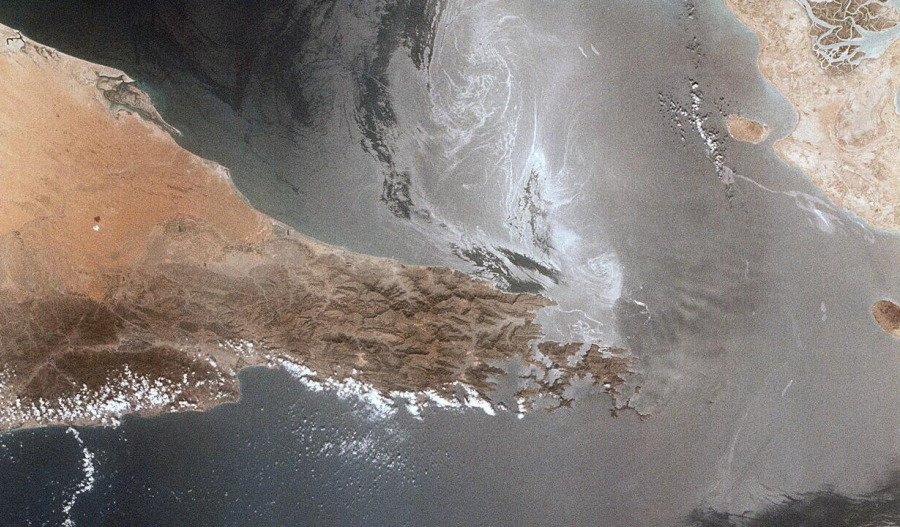
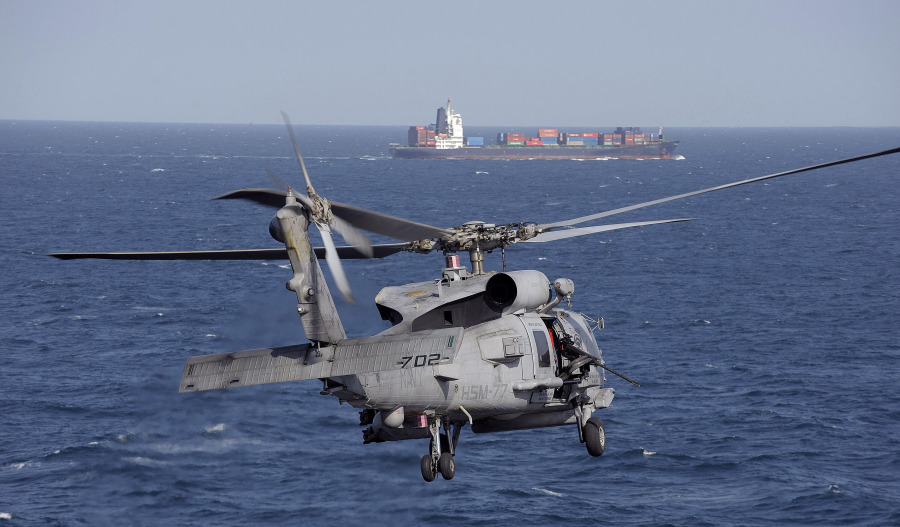
Oil prices climbed to six-week highs after Iran and the U.S. exchanged strikes over the weekend. Brent crude rose 1.1% to $97.31 a barrel, while West Texas Intermediate futures gained 1.3% to $92.66.
Crude prices have surged over the past month as the U.S.-Iran conflict continues, putting upward pressure on Treasury yields as investors grow increasingly concerned that higher energy prices could fuel inflation.

The benchmark 10-year Treasury yield rose to its highest level since November 2023 last week, while the two-year yield climbed to its highest level since January 2025.
The Federal Reserve is due to hold its monetary policy meeting next week. Traders are pricing in a 60.4% chance of a 25-basis-point rate hike, according to the CME Group FedWatch Tool.
Those expectations could shift this week with wholesale and consumer inflation data due on Thursday and Friday, respectively.
Investors are also facing renewed trade tensions between the U.S. and Canada. Canadian retaliatory tariffs on about US$20 billion of U.S. goods are due to take effect on Tuesday.
U.S. President Donald Trump said on Monday that Canadian aircraft manufacturer Bombardier would not be able to sell its products in the U.S. unless Canada begins manufacturing them domestically.
“NO MORE SELLING BOMBARDIER IN THE UNITED STATES!” Trump wrote on Truth Social.