Oil prices extended gains in Asian trading on Monday as tit-for-tat strikes between the United States and Iran involving vessels in and around the Strait of Hormuz heightened concerns over prolonged disruptions to Middle Eastern supplies.
By 3 pm AEST (5 am GMT), Brent crude futures were up US$1.12, or 1.2%, at US$97.40 a barrel, while U.S. West Texas Intermediate (WTI) crude gained US$1.08, or 1.2%, to US$92.56 a barrel.
Last week, Brent and WTI rallied 9.3% and 9.7%, respectively.
U.S. forces struck three Iranian oil tankers on Saturday, U.S. Central Command said, including one off the coast of Kharg Island, near Iran's key oil export hub.
Iran's Islamic Revolutionary Guard Corps navy said on Saturday it had targeted three oil tankers travelling through unauthorised routes in the Strait of Hormuz, as well as three additional U.S. vessels in other areas.
ING commodities strategists noted in 'The Commodities Feed':

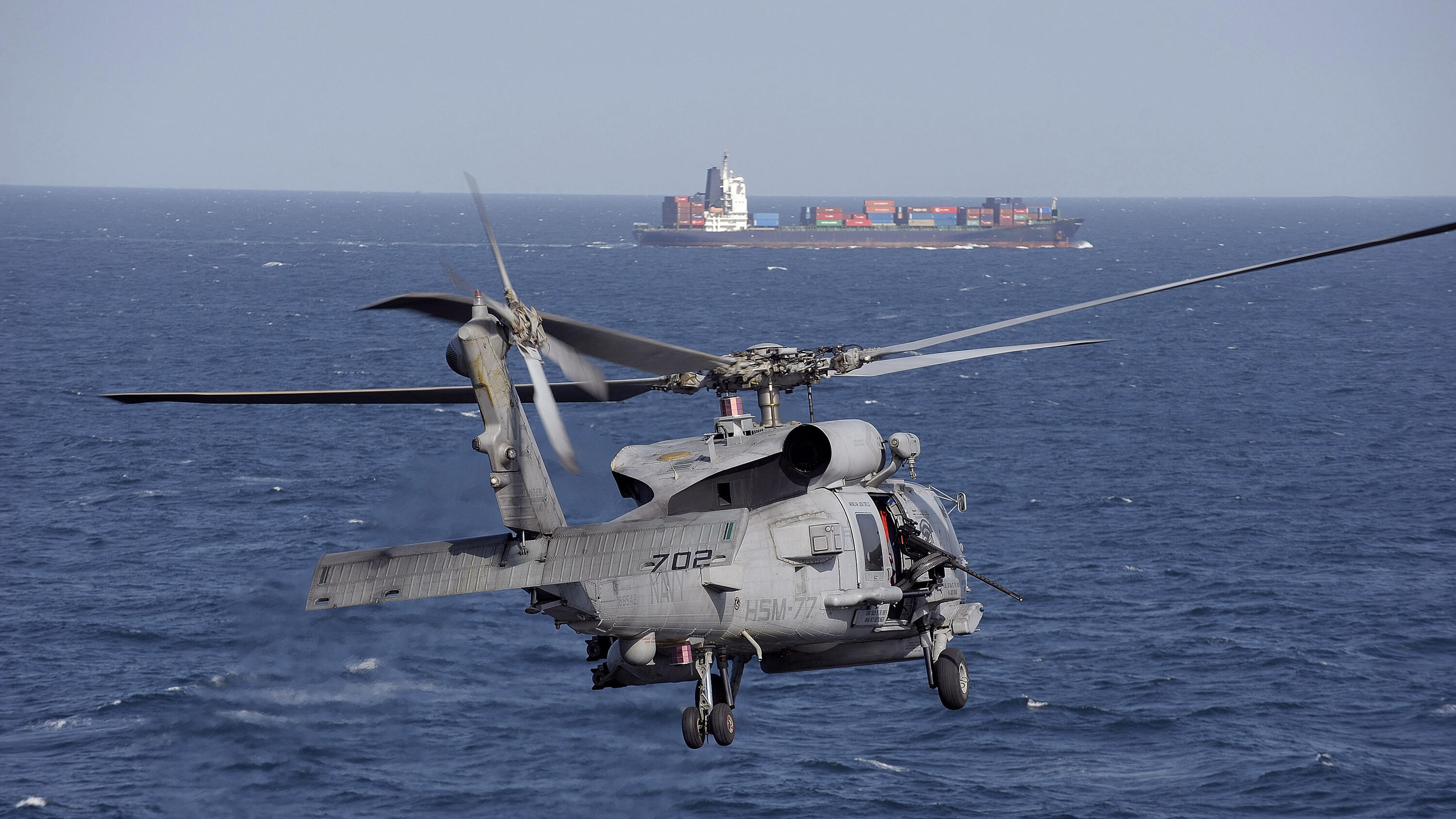
"Despite the escalation, oil continues to flow. The U.S. energy secretary said oil moving through the Strait of Hormuz is averaging a little more than 9m b/d, made possible by U.S. Navy escorts.
"Given the recent flare-up between Iran and the U.S., it's not surprising that speculators increased their net long in ICE Brent over the last reporting week.
"Speculators bought 37,837 lots to leave them with a net long of 261,435 lots as of last Tuesday. While fresh buying and short covering were relatively sizeable, most of the increase came from short covering."
An average of 10 commodity ships transited the Strait of Hormuz each day over the past 10 days, the lowest level since May, Reuters reported, citing data from analytics firm Kpler.
Mohsen Rezaei, secretary of Iran's Supreme National Security Council, said on Sunday that a restricted zone would be announced outside the Strait of Hormuz in the coming days, according to state media.
Meanwhile, the Organization of the Petroleum Exporting Countries and allies (OPEC+) kept its oil output policy unchanged for October at a meeting on Sunday, saying it needs to agree on new production quotas before deciding its next steps.