Iran has pledged to intensify efforts to address economic problems caused by United States sanctions and an oil blockade, while a senior official warned that any further attacks would trigger a "more painful" response.
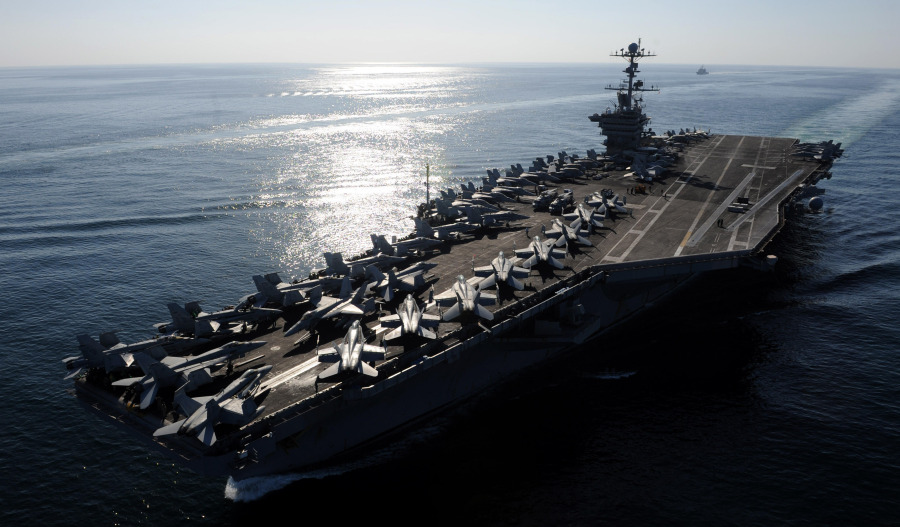
The comments came as military tensions between Washington and Tehran escalated, with U.S. Central Command saying it struck three Iranian tankers on Saturday after Iran's Islamic Revolutionary Guard Corps launched ballistic missiles at two U.S. Navy ships.
Following the attacks, Iran's Parliament Speaker Mohammad Baqer Qalibaf said the U.S. should understand that the rules of the game had changed "before it is too late".
"From now on, any attack against Iran’s interests and security will receive a faster, heavier and more painful response,” he said in a speech published on his Telegram channel.
Mohsen Rezaei, secretary of Iran's Supreme National Security Council, said on Sunday that Tehran would announce a restricted zone outside the Strait of Hormuz in the coming days.
The zone would extend into parts of the Persian Gulf, with Rezaei saying any ship entering the area would be placed on an Iranian sanctions list.
The announcement comes as Washington maintains a naval blockade aimed at restricting Iranian oil exports.
Tehran has retained the ability to target U.S. interests in neighbouring countries and disrupt oil shipments through the Strait of Hormuz, a vital route for global energy supplies.

However, the U.S. campaign to pressure Iran's economy by restricting oil exports and targeting sanctions evasion is placing increasing strain on Tehran.
Iran's Economy Minister Ali Madanizadeh said the government would respond to U.S. economic pressure through reforms, rejecting the idea that sanctions would force Tehran to change course, according to state media on Sunday.
“They speak of economic pressure and isolation, of breaking off financial ties and they think that by pressuring the economy of a country they can change the decisions of its people,” Madanizadeh said.
“I have to clarify one point: The responsibility of reforming Iran’s economy is with its government and people, not with the U.S. Treasury."
Separately, Economy Ministry Deputy Morteza Zamanian said the ministry's “Economic War Headquarters” was intensifying efforts to address problems created by the conflict, according to the semi-official Tasnim news agency.
The economic push comes as Iran faces pressure from sanctions, disrupted oil exports, inflation, currency volatility and unemployment.
Iran is a major OPEC oil producer and has historically relied heavily on exports through its Kharg Island terminal. The U.S. blockade has sharply constrained those flows, adding to pressure on the country's economy.
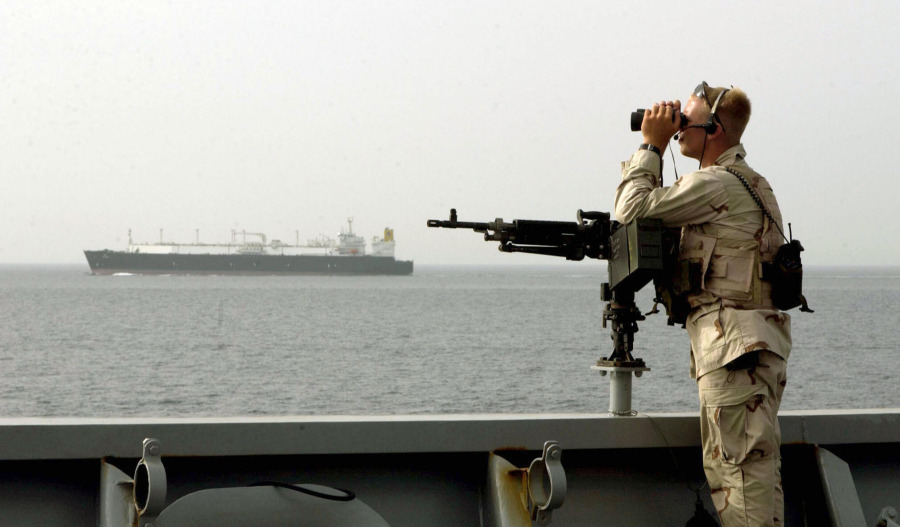
U.S. Central Command said it had redirected 92 commercial vessels, disabled three and boarded two as part of efforts to enforce the blockade.
The latest escalation comes after months of conflict and a preliminary ceasefire agreement reached in June unravelled, with diplomatic efforts yet to restore a durable peace process.