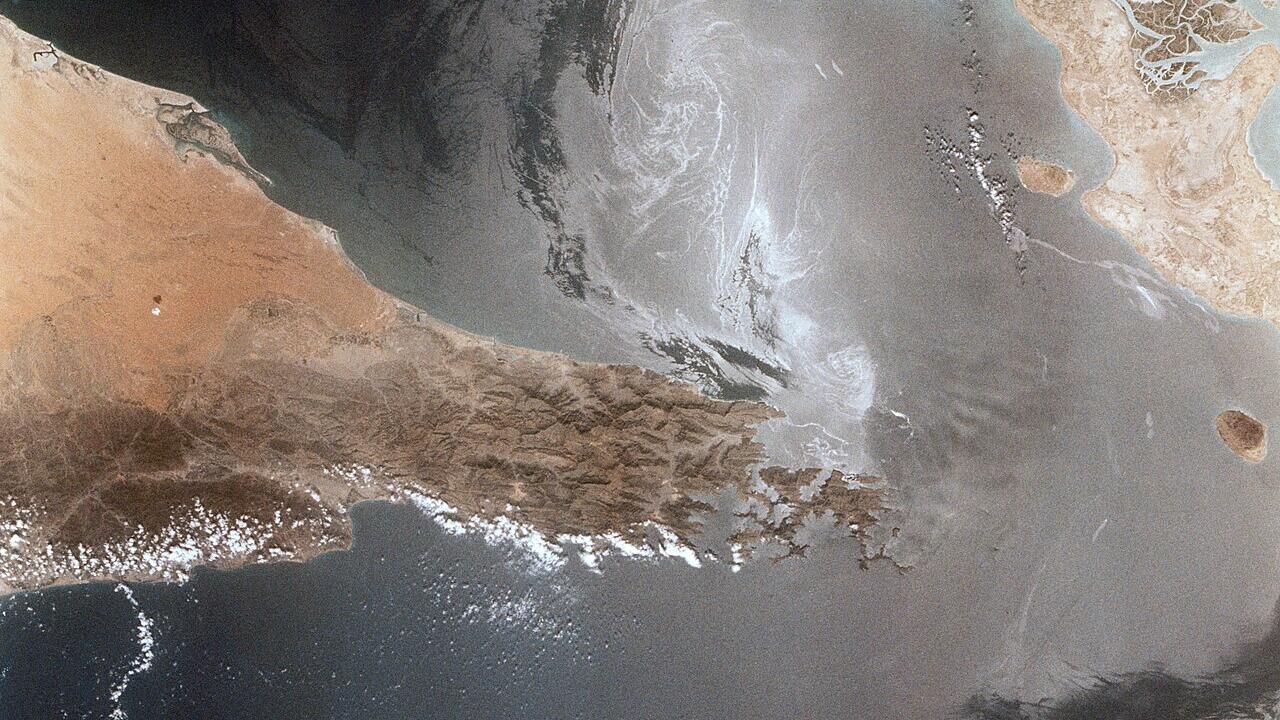
Iran is preparing to expand its control over the Strait of Hormuz by establishing an "exclusion zone" outside the strategic waterway, as escalating tensions with the United States push oil prices higher and further disrupt commercial shipping.
Iran’s Supreme National Security Council head Mohsen Rezaei said the zone would cover areas extending from the U.S. naval blockade line into the Persian Gulf, with vessels entering without Iranian permission potentially facing sanctions.
The move comes after the U.S. struck three Iranian oil tankers in the Persian Gulf and Gulf of Oman. Tehran has threatened a "more intense and more painful" response to further U.S. attacks, raising concerns over an escalation that could further restrict energy flows through the region.
Brent crude briefly climbed to $97 a barrel on Monday, its highest level in nearly seven weeks, extending an 8% gain from the previous week as traders assessed the risk of further supply disruptions.
Meanwhile, Iranian Foreign Ministry spokesman Esmaeil Baghaei said talks with Oman over a temporary safe shipping route through the Strait of Hormuz had reached the "final stage".
The proposed route follows months of discussions between the two countries over managing commercial traffic through the waterway.
Iran and Oman have also discussed a longer-term shipping corridor and arrangements covering traffic management and security.
Commercial traffic through the Strait of Hormuz has fallen sharply amid the latest escalation.
Kpler data showed an average of just 10 commodity vessels a day passing through the waterway over the 10 days to Sunday, down from more than 15 a day on Friday.

Only two vessels crossed on Saturday and six on Sunday, with most using the Iranian route, according to shipping data cited by Reuters.
Traffic remains far below pre-war levels of around 130 vessels a day.
The decline follows the U.S. strikes on Iranian tankers and Iran’s subsequent warnings against vessels using routes it considers unauthorised, increasing the risks for commercial shipping and further constraining regional energy flows.
Qatar’s Foreign Ministry spokesman Majed Al Ansari said the conflict had demonstrated that Gulf states could not rely solely on the U.S. for security.
"We need to recognise in the Gulf region that the presence of international forces in the region and the establishment of a strategic partnership with the United States are extremely important, but they are not sufficient," Al Ansari said.
"Self-reliance in the field of security is the only way forward."
"We need our partners and allies, but we cannot rely on them alone for our security," he added.
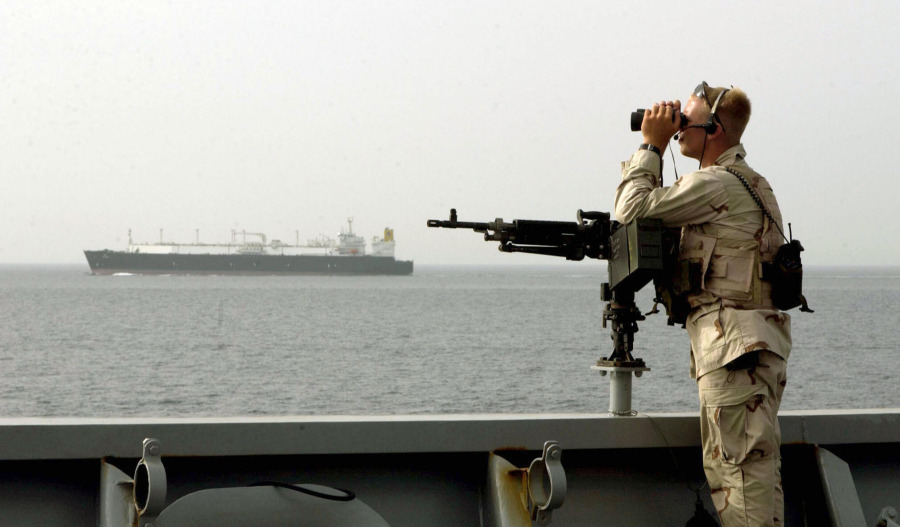
U.S. Central Command (CENTCOM) said it had redirected 94 commercial vessels accused of attempting to breach the U.S. blockade of Iranian ports, up from 92 a day earlier.
Three vessels have been disabled and two boarded, according to CENTCOM.