Anyone old enough to remember the folk rock band, America, may recall the lines from the early 1970s classic, Sandman, which laconically asks: Oh I almost forgot to ask, did you hear of my enlistment? Fast forward fifty-plus years and this question may no longer be a rhetorical reference to being drafted to serve in Vietnam.
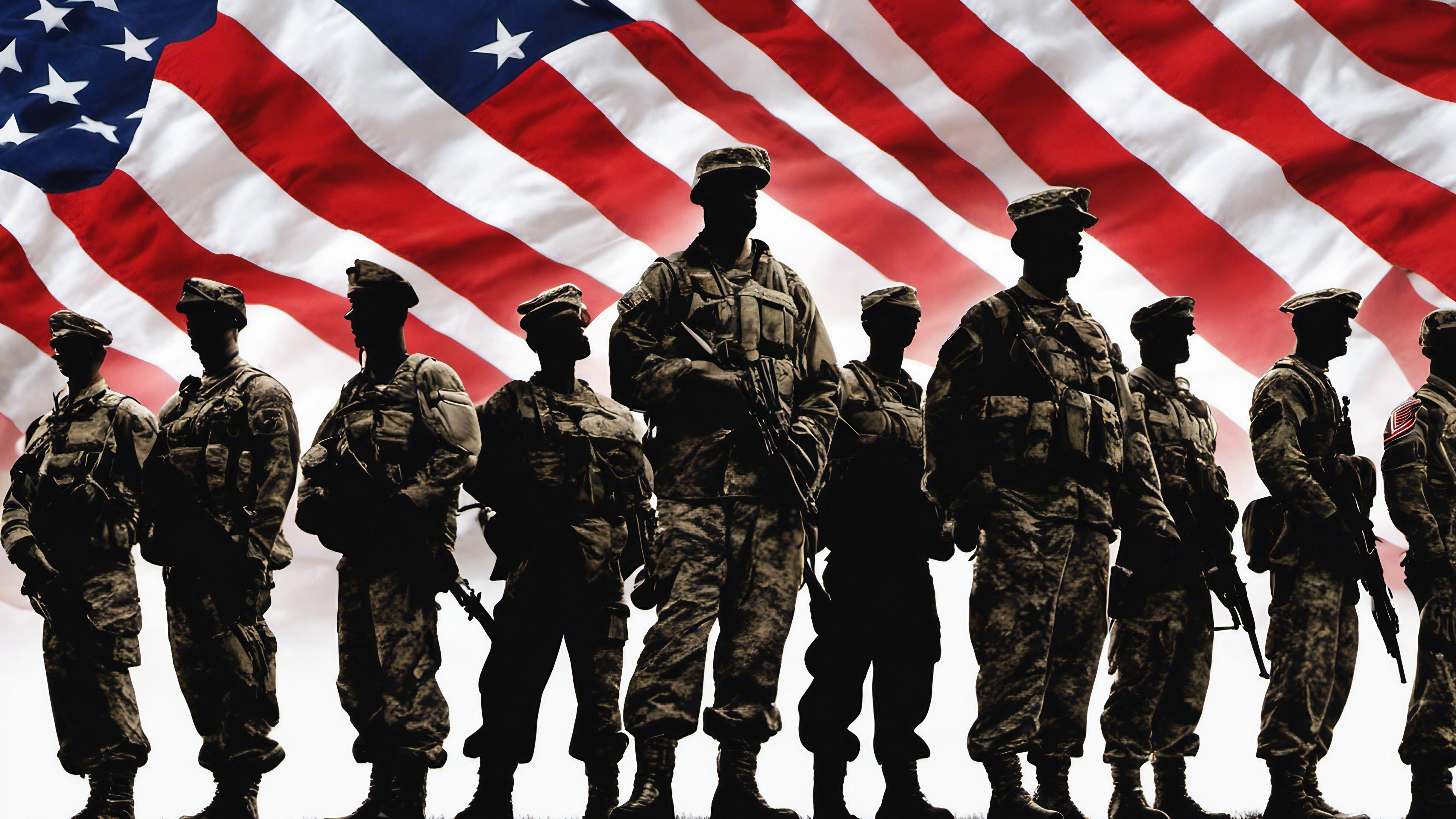
If the United States President Donald Trump – exempt from serving in Vietnam due to bone spurs - has his way, young American men could be automatically enrolled in the American military draft system by December under a proposed federal rule.
This would signal the most significant change to Selective Service registration in decades and shift responsibility from individuals to the government.
The proposal, submitted on 30 March by the Selective Service System to the Office of Information and Regulatory Affairs, follows a legislative mandate contained in the National Defence Authorisation Act signed into law in December 2025.
The measure requires automatic registration of “every male citizen” and other eligible men aged 18 to 26, replacing a system that has relied on self-registration since 1980.
While the move doesn't technically reinstate conscription, which has not been used since 1973 during the Vietnam War, it alters how the government compiles the pool of draft-eligible individuals.
The change comes amid declining compliance rates and renewed scrutiny of U.S. military preparedness, though officials say it is not linked to any immediate plans for a draft.
Shift from self-registration
Under current law, most men in the U.S. must register with the Selective Service within 30 days of turning 18.
Failure to do so is a felony punishable by fines of up to US$250,000 or five years’ imprisonment, although prosecutions are rare.
Registration is also linked to eligibility for certain federal benefits, including student financial aid and government employment in some states.
The Selective Service System reported that 81% of eligible men were registered in 2024, down three percentage points from the previous year, despite ongoing outreach campaigns.
In its 2024 annual report, the agency argued that automatic registration would improve compliance while reducing administrative costs associated with advertising and enforcement.
The proposed rule would allow the agency to compile registration lists by drawing on existing federal data sources, potentially including records held by agencies such as the Social Security Administration and the Census Bureau.
According to the agency, the change would “transfer responsibility for registration from individual men to SSS” and streamline the process.
Automatic registration mechanisms already exist in most U.S. states, where applicants for driver’s licences are often enrolled by default unless they opt out.
The federal change would standardise that approach nationwide.

Legislative and policy context
Congress approved the shift with bipartisan support as part of the 2026 National Defence Authorisation Act, which sets annual defence policy and spending.
Pennsylvania Democratic Representative Chrissy Houlahan, who sponsored the provision, said at the time the reform would allow resources to be redirected from public awareness campaigns to military readiness and mobilisation efforts, according to Military Times.
The Selective Service System has for several years sought to modernise its registration process, citing outdated systems and inefficiencies.
Lindsay P. Cohn, a professor of national security affairs at the U.S. Naval War College, said the reform reflects broader concerns about managing military manpower rather than signalling an imminent draft.
“The Selective Service System is about management of manpower, more than simply just generating manpower,” she said, noting she was not speaking on behalf of the military.
The rule must still undergo federal review before implementation and the rule-making process can take months and may involve multiple agencies responsible for data-sharing arrangements.
Renewed scrutiny amid geopolitical tensions
The proposal has drawn increased attention as the U.S. navigates rising geopolitical tensions, including a recent war with Iran.
While a ceasefire has taken effect, public debate has intensified over whether the U.S. could require additional troop mobilisation in a future crisis.
White House press secretary Karoline Leavitt said in a March interview that reinstating a draft was “not part of the current plan” but added that the president “keeps his options on the table” when asked about potential military escalation.
Experts emphasise that any move to activate a draft would require congressional approval.
The U.S. has implemented conscription six times in its history, most recently during the Vietnam War, when approximately 1.8 million people were drafted before the transition to an all-volunteer force in 1973.
Legal scholars note that the expansion of automatic registration could also have implications for non-citizens.
Current law requires many non-citizen residents, including permanent residents and some undocumented migrants, to also register.
Under the new system, these individuals would also be automatically included, raising questions about notification and compliance processes.
Jeremy Kessler, a professor at Columbia Law School, said the scale of modern military operations would make any future draft logistically complex, particularly in large-scale wars.
He noted that while the registration system underpins contingency planning, its existence does not indicate that conscription is imminent.
The Selective Service System has indicated it aims to implement the new process by December 2026, pending regulatory approval.
Until then, existing registration requirements remain in force, and eligible men are still legally obligated to enrol themselves under current law.