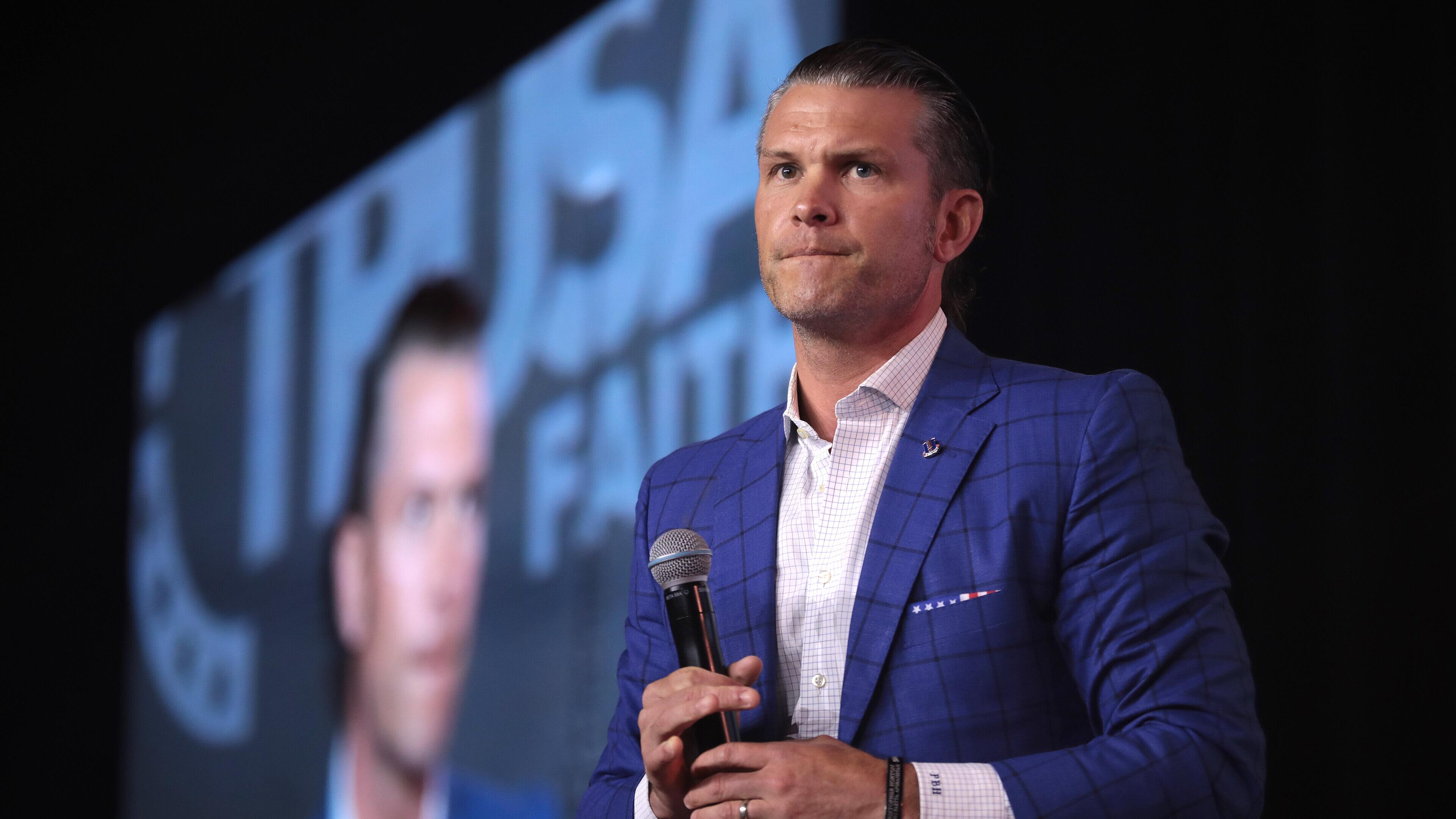
United States Defence Secretary Pete Hegseth warned that the next phase of the war with Iran would be “decisive” within days, as Tehran threatens to target major U.S. companies and the conflict continues to derail global energy markets.
The exchange of warnings underscores a rapid escalation in a month-long conflict that has spread across the Middle East since late February, which has killed more than 3,000 people and destabilised oil supplies.
Despite signals from Washington that it is open to a negotiated settlement, both sides have intensified military and economic pressure, while divisions among U.S. allies have deepened.
Speaking in Washington, Hegseth said the U.S. had “more and more options” and claimed Iran’s military capacity had been significantly degraded after weeks of sustained strikes.
According to remarks reported by Reuters, he said Washington was prepared to escalate further if Tehran did not agree to terms, adding that President Donald Trump remained open to a deal.
Iran’s Islamic Revolutionary Guard Corps responded by threatening to target 18 U.S. companies operating in the region, including major technology and industrial firms, from Wednesday.
The warning coincided with a U.S. State Department advisory urging American citizens in Saudi Arabia to shelter in place amid reports that U.S.-linked sites could be targeted.
Iranian Foreign Minister Abbas Araqchi said communications with Washington were ongoing but did not amount to formal negotiations, telling Al Jazeera that messages were being exchanged indirectly through intermediaries and included both threats and proposals.
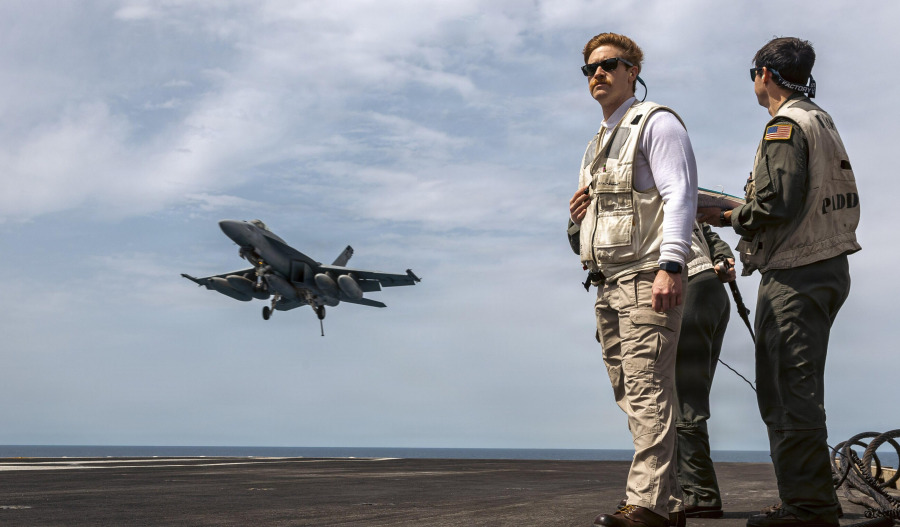
U.S. Joint Chiefs Chairman General Dan Caine said American forces had struck more than 11,000 targets and destroyed over 150 Iranian naval vessels, while Israel reported hitting 20 weapons production sites inside Iran this week.
Iran has continued attacks on shipping, including a strike on a Kuwaiti oil tanker near Dubai that briefly sent crude prices higher.

Brent crude surged as much as 64% in March to around US$118 a barrel before easing to around US$104 following unconfirmed reports that Tehran may be open to ending the conflict under certain conditions.
U.S. petrol prices have climbed above US$4 a gallon for the first time in more than three years, according to GasBuddy, adding domestic political pressure ahead of midterm elections.
Trump has escalated rhetoric against both Iran and U.S. allies.
In posts on his Truth Social platform, he threatened to “obliterate” Iran’s energy infrastructure and urged European countries facing fuel shortages to secure oil from the Gulf themselves, criticising the United Kingdom and France for not joining the military campaign.
European governments have pushed back.
France and Italy have reportedly restricted aspects of U.S. and Israeli military logistics, while Spain has refused access to bases, reflecting growing unease within NATO over the legality and risks of the conflict.
Diplomatic efforts to de-escalate have so far yielded little progress.
China and Pakistan have jointly called for an immediate ceasefire, while even Pope Leo XIV made a rare direct appeal to Trump to seek an “off-ramp” to reduce violence.
The strategic importance of the Strait of Hormuz remains central.
Iran has effectively blocked the waterway, through which roughly a fifth of global oil supply passes, raising fears of prolonged economic disruption.
While Trump has suggested the conflict may be nearing an end, no formal negotiations have been confirmed, and both sides continue to signal readiness for further escalation.