
United States inflation soared in March amid the war in Iran and sent the Federal Reserve further from its inflation target.
According to the Bureau of Labor Statistics (BLS), the consumer price index rose 0.9% for the month and climbed 3.3% year-over year.
This was pushed by a 10.9% surge in energy costs.
Energy prices have been heavily impacted by the effective closure of the Strait of Hormuz, where around 20% of the world's oil travels through due to the war in Iran.
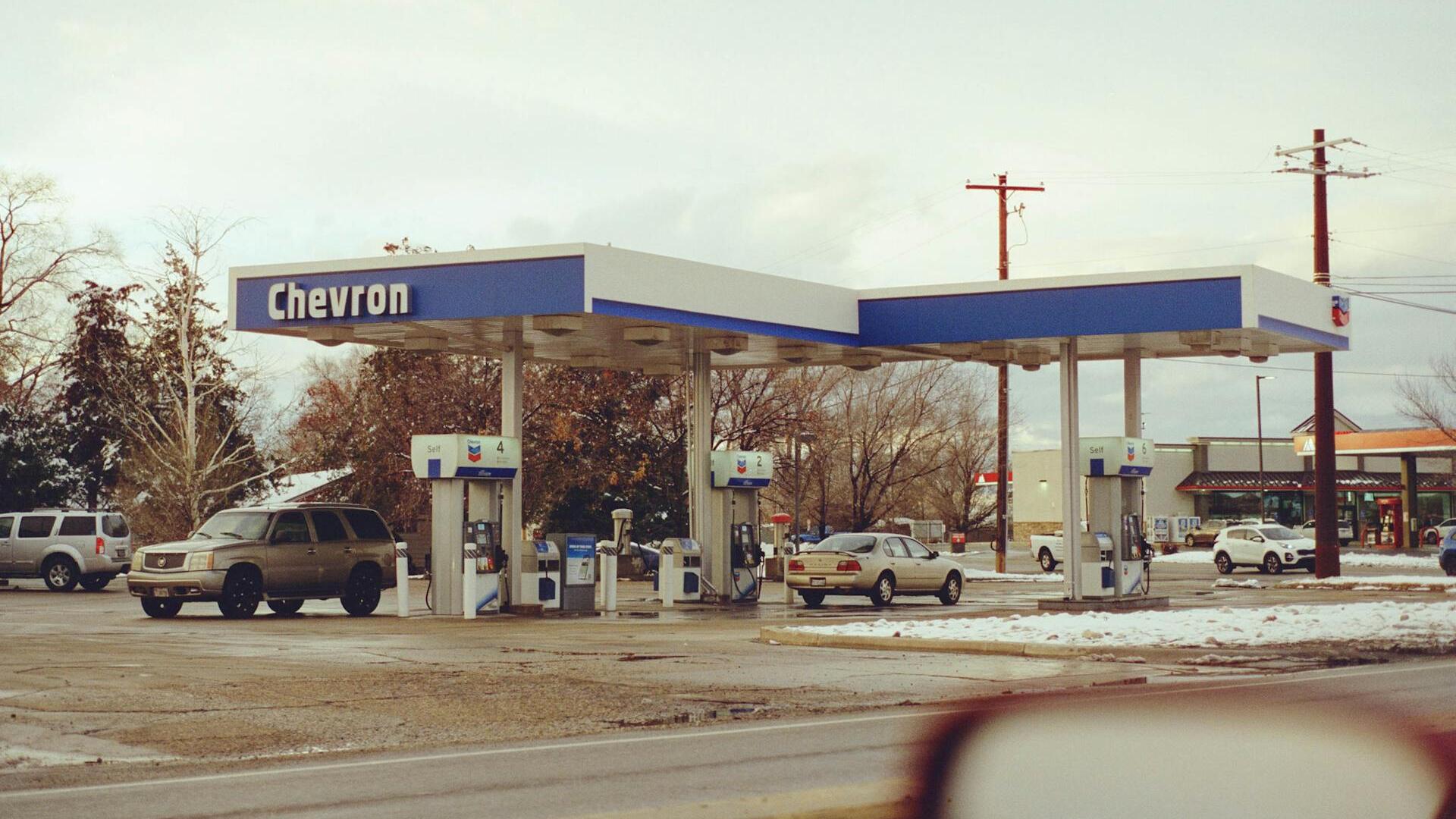
The Iran conflict was the story for the monthly inflation reading, as gasoline soared 21.2%, accounting for nearly three-quarters of the headline price increase, according to the BLS.
The war and tariffs also saw airline fares and apparel jump 2.7% and 1% respectivelt for the month.

Following a ceasefire between the U.S and Iran, energy prices have moderated in April.
The annual rate was its highest since April 2024 and up from 2.4% in February.
However, when excluding food and energy, core prices rose by just 0.2% and 2.6% from the same time last year, both 0.1 percentage points below the forecast.
Markets have been pricing little chance of a rate cut through the rest of 2026, but Fed officials indicated a tilt toward a quarter percentage point reduction during their March meeting.
“We believe the Fed will look through the energy-driven noise so long as these factors hold,” said Alexandra Wilson-Elizondo, global co-CIO of multi-asset solutions at Goldman Sachs Asset Management.
“The Fed has room to be patient, and every reason to do so. Today’s number buys the Fed time, but the real test lies ahead.”
The surge in the CPI meant that real earnings for workers decreased 0.6% for the month, as average hourly earnings rose just 0.2%. For the 12-month period, real average hourly earnings increased 0.3%.