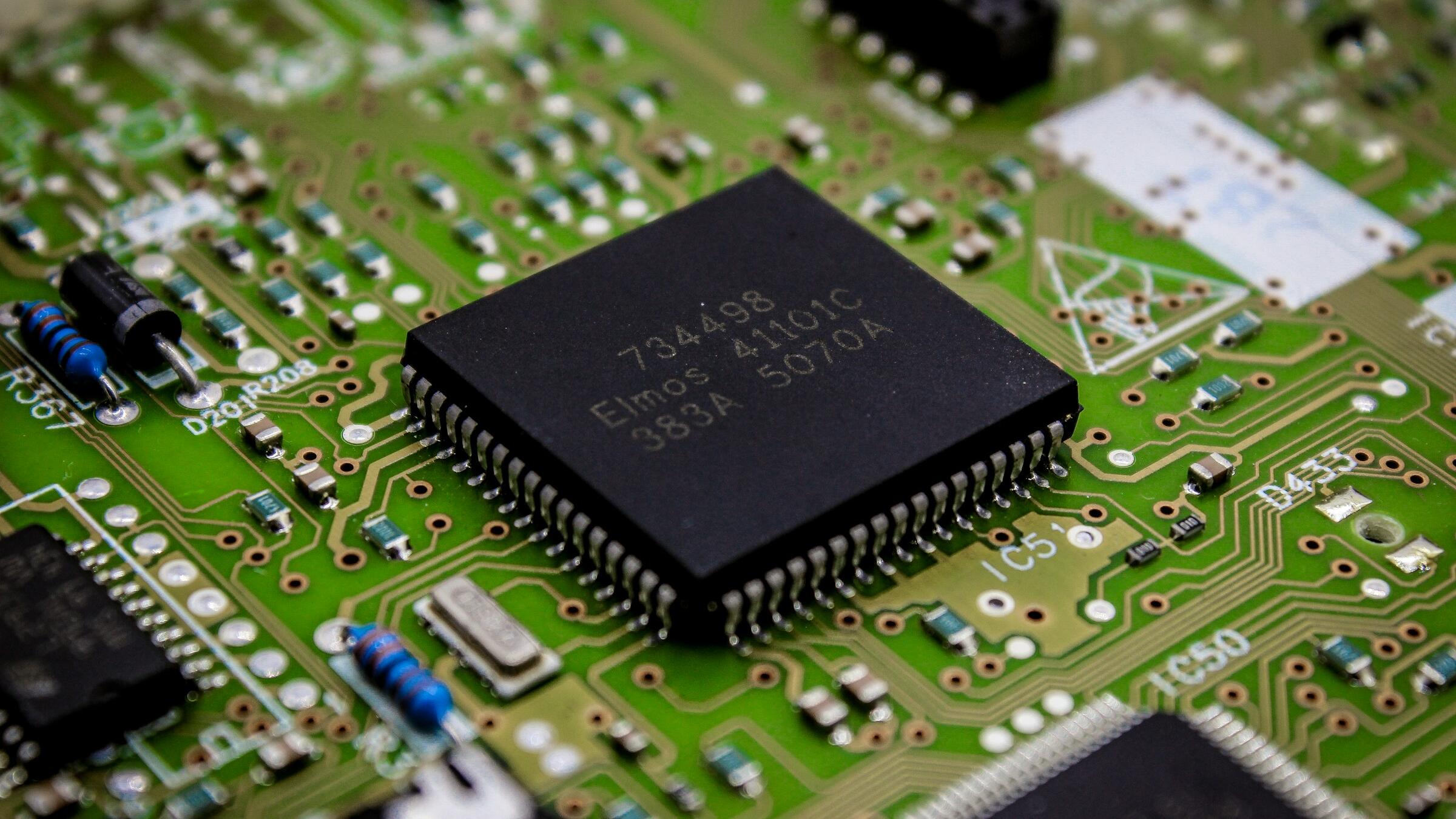
Taiwan and the United States have reached a trade agreement to build computer chip factories in the U.S., according to the U.S. Department of Commerce.
The agreement would see Taiwanese chipmakers and technology companies invest at least US$250 billion in production capacity in the U.S.
The Taiwanese government would also guarantee US$250 billion in credit for these companies.
“We're going to bring it all over so we become self-sufficient in the capacity of building semiconductors,” Commerce Secretary Howard Lutnick said.
In exchange, the U.S. will limit reciprocal tariffs on Taiwan to 15%, down from 20%, and commit to zero reciprocal tariffs on goods such as generic pharmaceuticals, their ingredients, aircraft components, and certain natural resources.
Taiwan Semiconductor Manufacturing Co. (TSMC) has bought land and could expand in Arizona as part of the deal, according to Lutnick.
“They just bought hundreds of acres adjacent to their property,” he said.
“I’ll let them go through with their board and give them time.”

Future tariffs under the Trade Expansion Act's Section 232 framework will have some exceptions for companies that are building chips in the U.S.
Taiwanese companies are constructing new U.S. chips.
These companies will be able to import up to 2.5 times the amount of capacity they are building while the factories are under construction, without paying tariffs under the framework.
Taiwanese auto parts, lumber and related products will also avoid tariffs over 15% under Section 232, the announcement said.
Lutnick said Taiwan-based chip companies that do not build in the U.S. are likely to face a 100% tariff and the government’s objective was to bring 40% of Taiwan’s semiconductor supply chain to the U.S.
“That’s what they get if they don’t build in America, the tariff’s likely to be 100%,” Lutnick said.
TSMC has invested US$40 billion to produce chips for companies like Apple and Nvidia, using previous U.S. government grants under the CHIPS Act.
U.S. officials have also said there is a substantial risk to the U.S. economy if China invades Taiwan and reduces access to TSMC chips.
“We’re going to bring it all over so we become self-sufficient in the capacity of building semiconductors,” Lutnick said.