United States President Donald Trump said he had urged Israel not to carry out further attacks on Iranian energy infrastructure, as escalating strikes between the two sides intensify disruptions across global oil and gas markets.
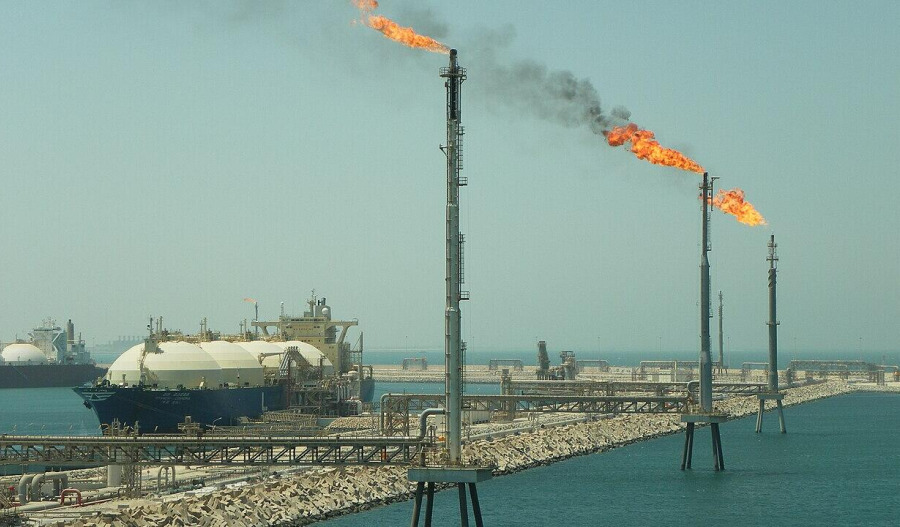
The comments followed a surge in energy prices after Iran retaliated against an Israeli strike on a major gas field by targeting Ras Laffan Industrial City in Qatar.
The facility, which processes roughly one-fifth of the world’s liquefied natural gas, sustained damage expected to take years to repair.
Further escalation was seen as Saudi Arabia reported an attack on its primary Red Sea export hub, a key alternative route used to bypass disruptions at the Strait of Hormuz, where traffic has been largely halted.
The strikes highlight Iran’s capacity to retaliate against the ongoing U.S.-Israeli campaign, as well as the limitations of regional air defence systems in protecting critical energy infrastructure.
Trump, facing political pressure from rising fuel costs, has criticised allies for what he described as insufficient support in securing the Strait of Hormuz, through which around 20% of global oil supply typically flows. However, he indicated he had drawn a line on further Israeli attacks targeting energy assets.

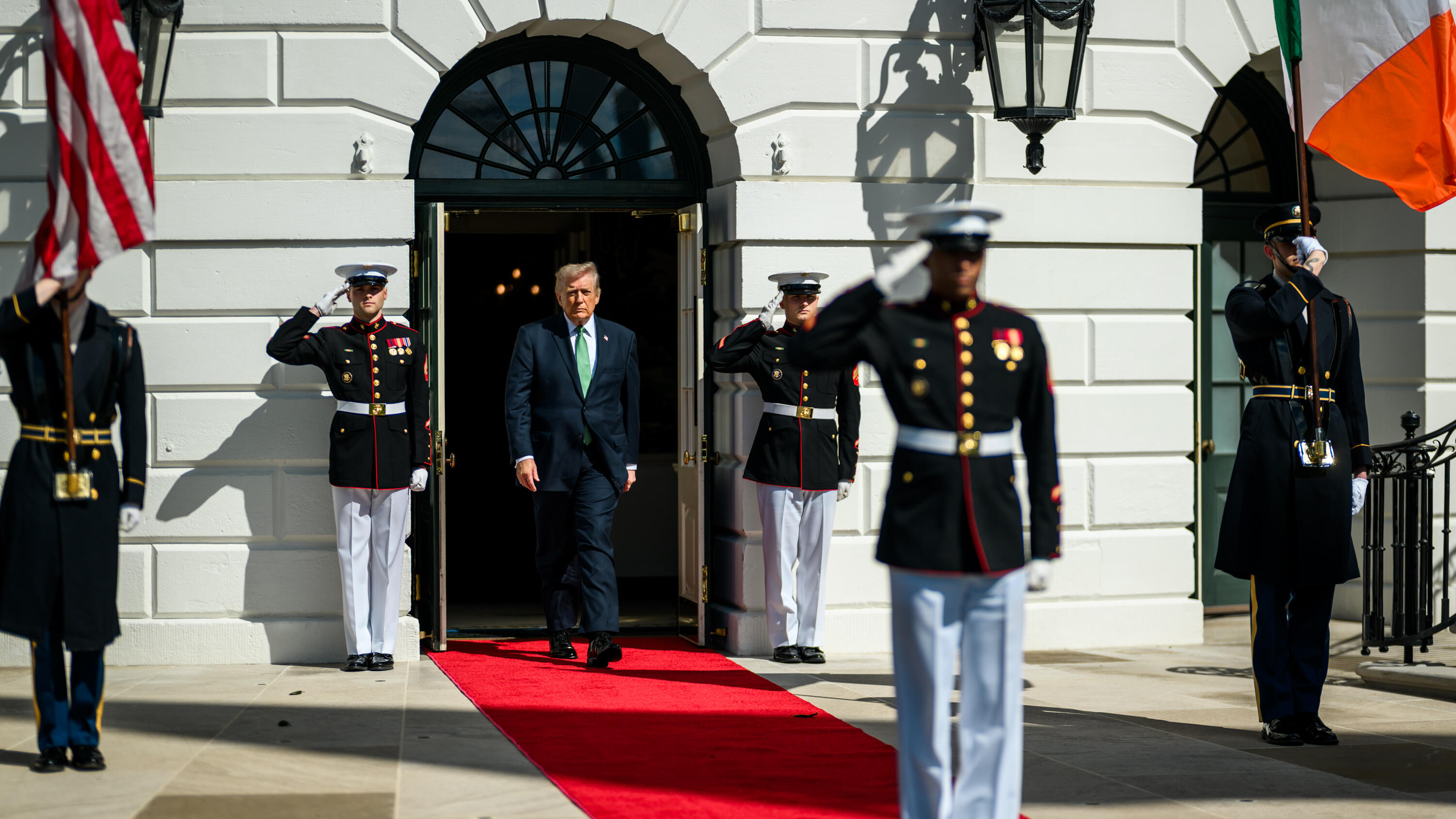
“I told him, ‘Don’t do that’, and he won’t do that,” Trump said, referring to Israeli Prime Minister Benjamin Netanyahu following talks at the White House with Japanese Prime Minister Sanae Takaichi.
Despite reports that Washington is considering deploying additional forces to the region, Trump ruled out sending ground troops. “I’m not putting troops anywhere,” he said.
Netanyahu later confirmed that Israel had acted independently in striking Iran’s South Pars gas field and acknowledged Trump’s request to avoid further attacks on energy infrastructure.
He claimed that sustained U.S.-Israeli airstrikes had significantly degraded Iran’s military capabilities, although he noted that any internal political change in Iran would likely require a ground component.
Meanwhile, Iran issued a stark warning that it would show “zero restraint” if its energy infrastructure is targeted again. Foreign Minister Abbas Araghchi said Tehran had so far exercised only limited force in its responses.
“Our response to Israel’s attack on our infrastructure employed FRACTION of our power. The ONLY reason for restraint was respect for requested de-escalation. ZERO restraint if our infrastructures are struck again,” Araghchi said in a post on X.