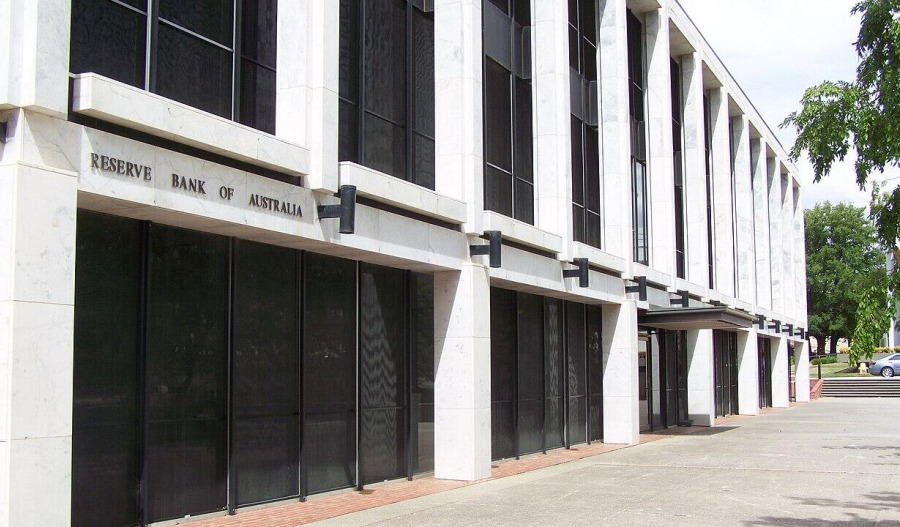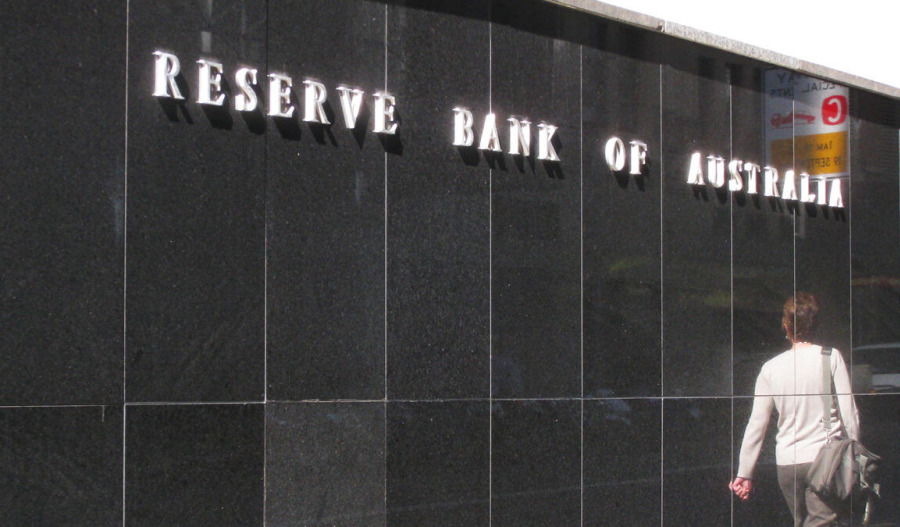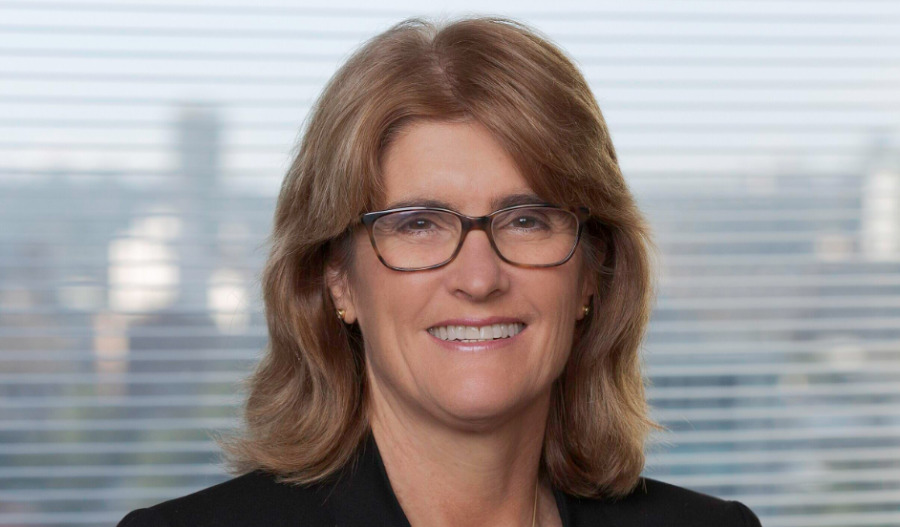
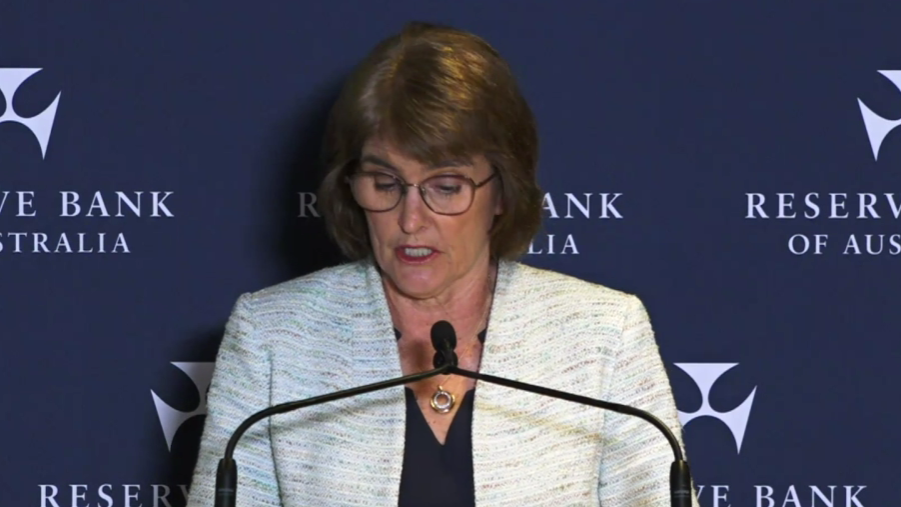
The Reserve Bank of Australia (RBA) Monetary Policy Board agreed official interest rates needed to increase despite being split on the timing, according to RBA Governor Michele Bullock.
Earlier, the RBA announced it had lifted Australia’s official cash interest rate by 25 basis points to 4.10%, as forecast by many economists.
The announcement came at the end of the traditional two-day bi-monthly meeting of the Board.
Bullock said that although the Board was split five to four in favour of an increase, the discussion was about when, not if, rates would need to be lifted.
“This was a very active discussion. The direction wasn’t the issue, it was the timing,” Bullock told a news conference.
She said the Board members agreed inflation was too high and was being pressured by excess demand in the Australian economy.
The RBA was more concerned about the upside in inflation than the downside in employment as a result of rates being hiked.

Bullock said the members who preferred to keep the cash rate unchanged wanted to see how the Middle East war played out and additional economic data.
“I understand this is tough news for people with mortgages,” Bullock said.
Earlier Treasurer Jim Chalmers said inflation has moderated significantly from its peak, but was higher than the Government would like, and the conflict had put upward pressure on global fuel prices.
“We already had an inflation challenge in our economy but the war in the Middle East is making this challenge worse,” he said in a media release.
Chalmers later told a news conference: “This doesn’t make it easy for millions of Australians with mortgages.”
Borrowers with a A$500,000 home loan would have to pay an extra $79 per month as a result of the rate rise.
The duration of the conflict would be the primary determinant of the impact on global inflation and economic growth.