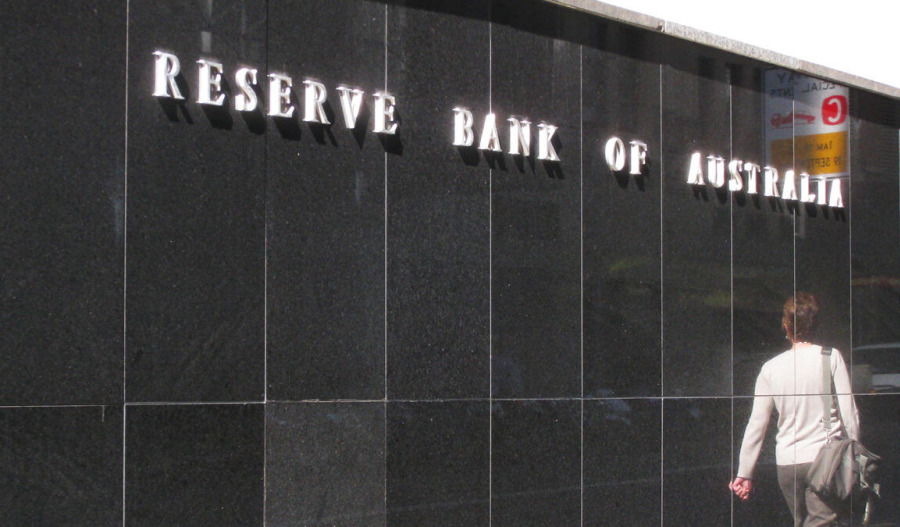
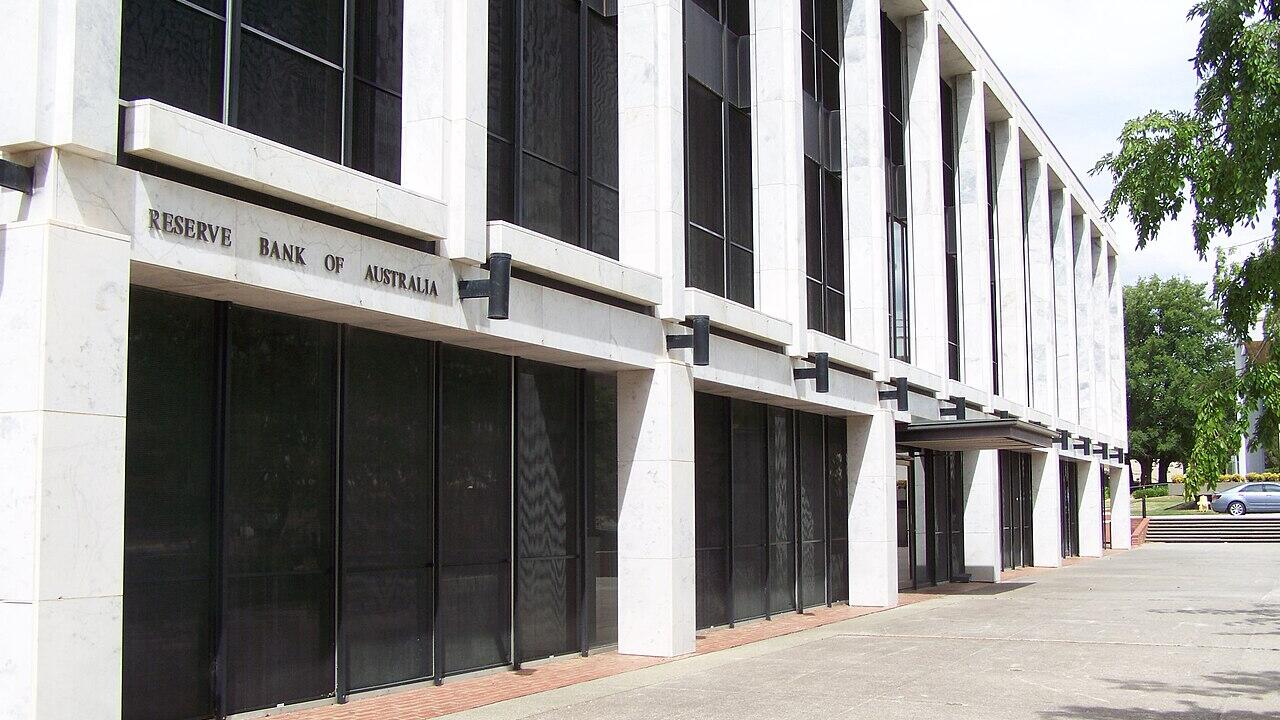
The Reserve Bank of Australia (RBA) lifted the official cash interest rate by 25 basis points to 4.10% on Tuesday.
The announcement, which was forecast by many economists, came at the end of the traditional two-day bi-monthly meeting of RBA’s Monetary Policy Board.
The chances of an increase to 4.1% had been rated at 58% by the Australian Securities Exchange’s RBA rate tracker on Monday.
Inflation in the country stood at 3.6% for the quarter ended December, while the monthly rate rose to 3.8% in January, slightly above expectations of 3.7%.
Economic growth remained strong with fourth-quarter gross domestic product (GDP) coming in above forecasts at 2.6%, giving the central bank room to keep interest rates elevated.
The decision was not unanimous with the RBA disclosing in a media release the decision was made by a majority of directors with five voting in favour of lifting the rate and four voting for leaving it unchanged.
The Australian central bank last changed rates when it raised the cash rate by 25 basis points in February.

In the media release issued after the meeting, the RBA’s Monetary Policy Board said data in recent months had confirmed inflationary pressures had picked up materially in the second half of 2025.
Although part of the pick-up reflected temporary factors, the Board judged that the labour market had tightened a little recently and capacity pressures were slightly greater than previously assessed.
Developments in the Middle East remained highly uncertain, but under a wide range of possible scenarios could add to global and domestic inflation.
The conflict had resulted in sharply higher fuel prices which, if sustained, would add to inflation while short-term measures of inflation expectations had already risen.
“In light of these considerations, the Board judged that inflation is likely to remain above target for some time and that the risks have tilted further to the upside, including to inflation expectations. It was therefore appropriate to increase the cash rate target,” the Board said in the release.
The Board said the Middle East conflict posed substantial risks in both directions.
“A longer or more severe conflict could put further upward pressure on global energy prices; this will push up near-term inflation and could also increase inflation further out if it impairs supply capacity or price rises get built into longer term inflation expectations,” it said.
“Higher prices and prolonged uncertainty may cause growth to be lower in Australia’s major trading partners and also in Australia.”