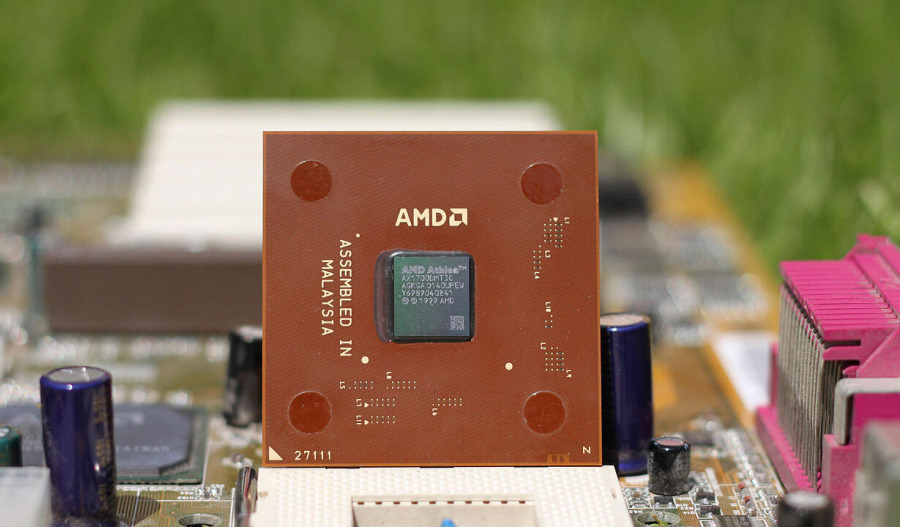

Samsung Electronics and Advanced Micro Devices (AMD) have signed a Memorandum of Understanding (MOU) to expand their strategic collaboration on the supply of memory chips for artificial intelligence (AI) infrastructure.
Under the agreement Samsung will provide next-generation high-bandwidth memory, HBM4, for AMD’s MI455X accelerators, which are used in data centres, and optimised DDR5 memory for AMD's sixth-generation EPYC processors.
In a joint statement, Samsung, the world's largest memory chipmaker, and AMD also said they were exploring a potential foundry partnership, under which Samsung could provide contract chip manufacturing services for next-generation AMD products.
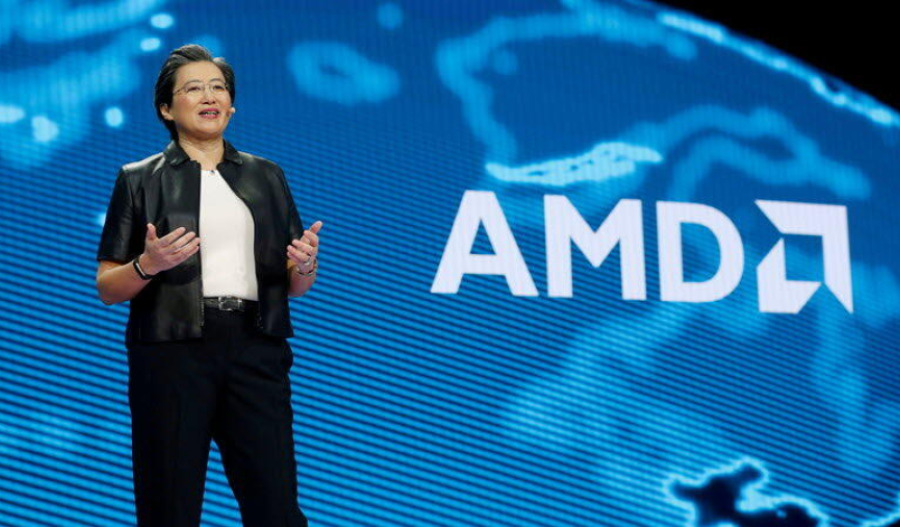
The agreement was signed at Samsung’s chip manufacturing complex in Pyeongtaek, South Korea, by Samsung Electronics Vice Chairman & Chief Executive Officer Young Hyun Jun and AMD Chair and CEO Lisa Su.
“Samsung and AMD share a commitment to advancing AI computing, and this agreement reflects the growing scope of our collaboration,” Jun said in a media release.
“From industry-leading HBM4 and next-generation memory architectures to cutting-edge foundry and advanced packaging, Samsung is uniquely positioned to deliver unrivalled turnkey capabilities that support AMD’s evolving AI roadmap.”

Su said powering the next generation of AI infrastructure required deep collaboration across the industry.
“We are thrilled to expand our work with Samsung, bringing together their leadership in advanced memory with our Instinct GPUs, EPYC CPUs and rack-scale platforms,” Su said in the release.
“Integration across the full computing stack, from silicon to system to rack, is essential to accelerating AI innovation that translates into real-world impact at scale.”
Central processing units (CPUs) are like the brain of a computer, and graphic processing units (GPUs) perform tasks.
Samsung and AMD are closely collaborating on advanced memory technologies for AI and data centre workloads.
Global computer chipmakers are racing to lock in long-term supply partnerships for advanced memory as AI-driven demand reshapes the semiconductor industry and tightens the supply of HBM chips, according to Reuters.
Last month, AMD said it had agreed to sell up to $60 billion worth of AI chips to Meta Platforms.