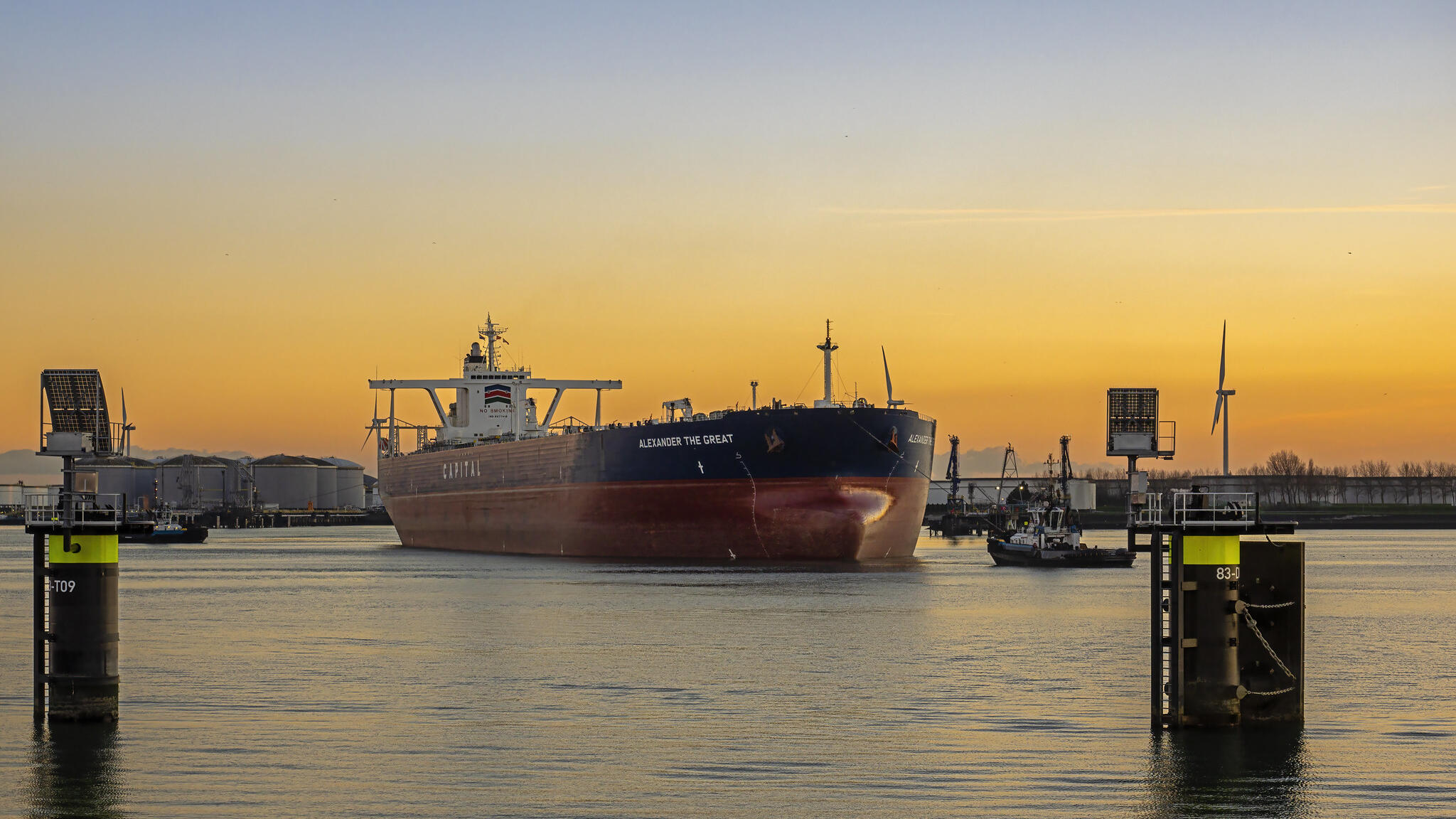
Oil prices edged lower during Wednesday's Asian deals after early gains in Asian trading, as investors assessed the uncertain outlook for United States-Iran peace negotiations following Washington’s decision to extend a ceasefire.
By 2:55 pm AEST (4:55 am GMT), Brent crude futures fell 4 cents, or 0.04% to US$98.44 per barrel, while U.S. West Texas Intermediate (WTI) crude for June delivery declined 17 cents or 0.2% to $89.50.
Both benchmarks had gained around 2.9% in the previous session.
The pullback came after U.S. President Donald Trump said he would indefinitely extend the ceasefire with Iran just hours before its expiry, in a bid to allow more time for negotiations to end the conflict.
However, uncertainty remains over whether Iran or U.S. ally Israel will agree to prolong the truce, which began two weeks ago.
Trump also confirmed that the U.S. Navy would maintain its blockade of Iranian ports, a move Tehran has characterised as an act of war.
Analysts at ANZ highlighted the ongoing disruption to global energy markets. “Two cargo ships and a fuel tanker crossed the Strait of Hormuz despite ongoing U.S. and Iranian blockades.

"Amid the supply shock, demand is falling, with increasing flight cancellations and falling refinery rates. The European Union is planning measures to optimise the use of jet fuel.
"The European Commission will release guidance clarifying the flexible measures within current legislation, specifically addressing topics such as airport slot allocations and the implications of flight cancellations caused by fuel shortages in the event of a prolonged crisis.”
There was no immediate response from Iran’s senior leadership to the ceasefire extension. However, Tasnim News Agency, which is affiliated with Iran’s Revolutionary Guards, said Tehran had not requested the extension and reiterated its stance of breaking the U.S. blockade by force.
Elsewhere in the region, tensions persisted as Israel’s military said Hezbollah launched rockets at its forces in southern Lebanon, accusing the Iran-backed group of breaching a ceasefire ahead of U.S.-mediated talks with Lebanon.
In Europe, Volodymyr Zelenskyy said the Druzhba pipeline, which transports Russian oil to the continent, is ready to resume operations. However, industry sources told Reuters that Russia may halt oil exports from Kazakhstan to Germany via the pipeline from 1 May.
On the supply side, U.S. crude inventories fell by 4.4 million barrels last week, according to market sources citing data from the American Petroleum Institute (API), exceeding expectations for a 1 million-barrel draw.
Investors are now awaiting official inventory data from the U.S. Energy Information Administration (EIA) later on Wednesday, which could provide further direction for oil markets already navigating heightened geopolitical risks and supply disruptions.