United States benchmark averages closed lower on Tuesday (Wednesday AEST) as investor sentiment weakened amid mounting uncertainty over a potential peace agreement between the United States and Iran ahead of a looming ceasefire deadline.
The Dow Jones Industrial Average fell 293.2 points, or 0.6%, to 49,149.4. The S&P 500 declined 45.1 points, or 0.6%, to 7,064.0, while the Nasdaq Composite dropped 144.4 points, also 0.6%, to 24,260.0.
Market nerves intensified late in the session following reports that Vice President JD Vance had paused plans to join negotiations with Iran due to a perceived lack of commitment from Tehran.
The reports, citing U.S. officials, raised doubts about whether a deal could be finalised before the ceasefire expires on Wednesday.
Shortly after the market close, President Donald Trump indicated the ceasefire would be extended until Iran submits a formal proposal.
Earlier in the day, however, Trump struck a more mixed tone, stating he expected a “great deal” to be reached while also warning that the U.S. military stood ready to act if negotiations failed. He added that he would prefer not to prolong the ceasefire beyond the current deadline.
The president’s comments followed a social media post in which he accused Iran of violating the ceasefire multiple times, further contributing to market uncertainty.
Oil markets reacted sharply to the shifting outlook. After recent declines driven by optimism over a potential agreement, prices rebounded. West Texas Intermediate crude rose 2.8% to settle at US$92.13 per barrel, while Brent crude gained 3.1% to close at $98.48 per barrel.
Tuesday’s losses followed a weaker session on Monday, as traders remained cautious ahead of the ceasefire deadline and the recent rally in equities showed signs of losing momentum. The Nasdaq also ended a 13-day winning streak, its longest since 1992.

On the economic front, data showed U.S. retail sales rose more than expected in March, supported in part by higher fuel prices linked to the Iran conflict.
Retail sales increased 1.7% for the month, marking the largest gain since March 2025 and exceeding forecasts of a 1.4% rise. February’s figure was also revised higher to a 0.7% increase.
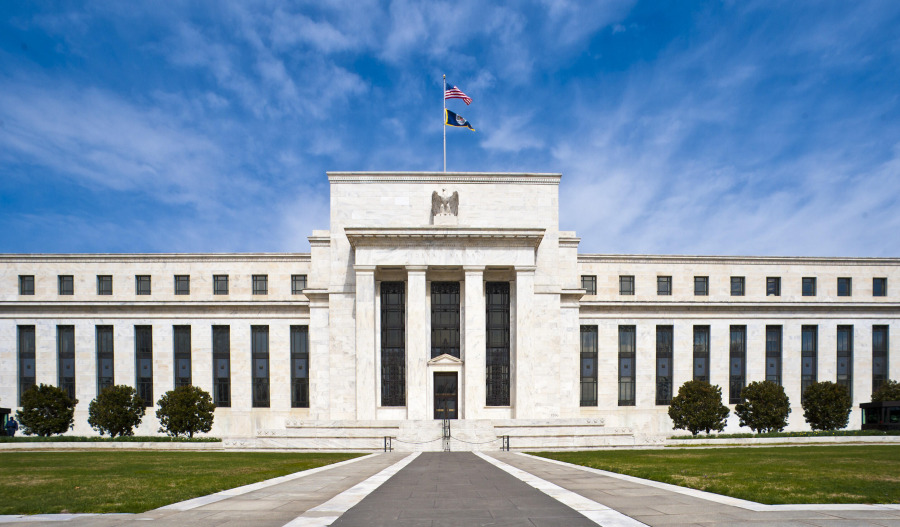
Investors also monitored developments surrounding Federal Reserve leadership. Kevin Warsh, President Trump’s nominee to chair the central bank, concluded his Senate confirmation hearing on Tuesday.
Warsh emphasised that he had made no commitments to the president regarding interest rate cuts and sought to reassure lawmakers of his independence from the White House.
However, the nomination faces political hurdles. Republican Senator Thom Tillis has pledged to block Warsh’s confirmation until the Department of Justice concludes an investigation into current Federal Reserve Chair Jerome Powell, which Tillis argues threatens the central bank’s independence.
The standoff adds uncertainty to the future direction of U.S. monetary policy, particularly as Trump has stated he may remove Powell if he does not step down when his term expires in May.
In corporate news, Amazon shares rose 0.7% after the company announced plans to invest up to $25 billion in artificial intelligence firm Anthropic.
UnitedHealth was among the top performers, jumping 7% after the healthcare group raised its full-year profit outlook and reported first-quarter results that exceeded expectations.
Apple shares declined 2.5% after the company announced that chief executive Tim Cook would step down, with long-time hardware chief John Ternus set to take over leadership.
On the bond markets, 10-year and 2-year rates were up 1% and 1.6% to 4.299% and 3.785%, respectively.