Oil prices steadied on Tuesday near their highest level in more than a week as hopes faded for a deal between the United States and Iran to end their war and reopen the Strait of Hormuz.
By 3:10 pm AEST (5:10 am GMT), Brent crude futures had risen 6 cents, or 0.1%, to $87.78 a barrel, while U.S. West Texas Intermediate (WTI) crude futures gained 12 cents, or 0.2%, to $82.25 a barrel.
Brent and WTI climbed 5% and 5.1%, respectively, on Monday to their highest levels since 31 July 31.
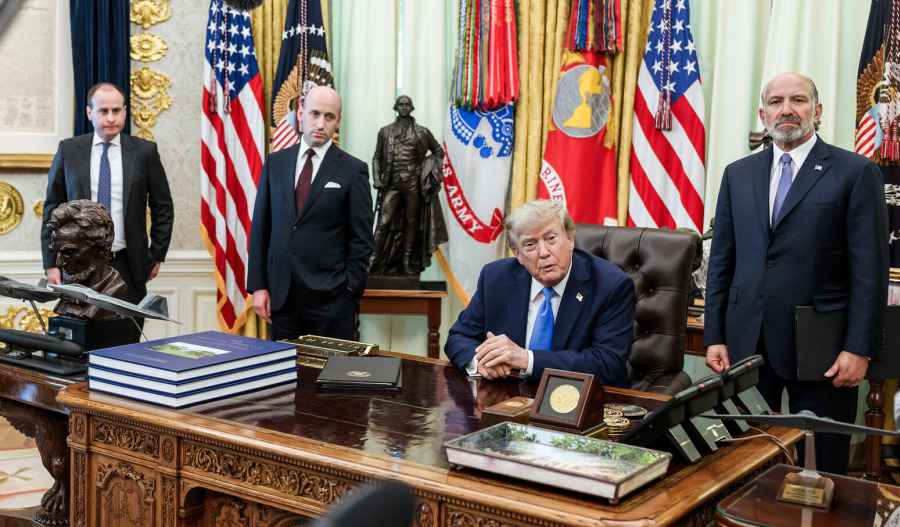
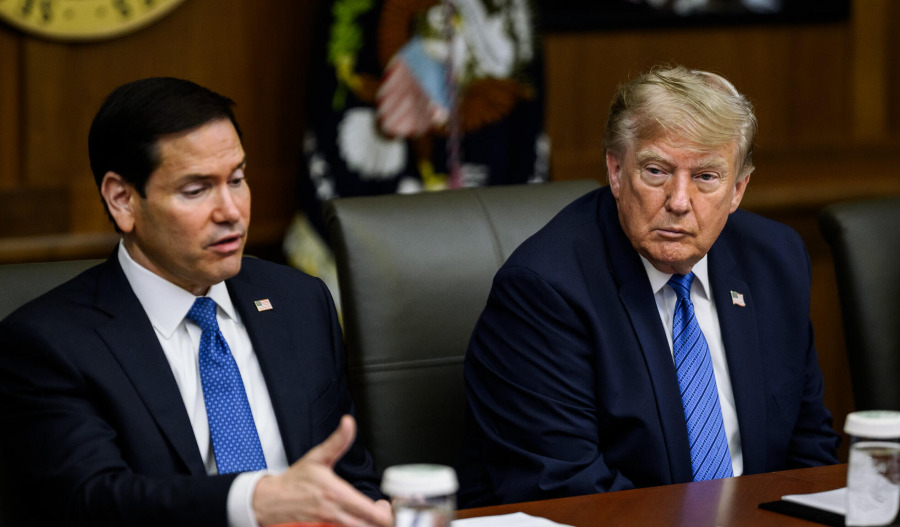
The gains came after U.S. President Donald Trump responded to Iran's conditions for a peace deal by demanding compensation for people killed in wars, attacks and protests, a move likely to complicate efforts to reopen the Strait of Hormuz.
Trump later said the U.S. had control of the strait and had swept the strategic oil waterway for Iranian mines.
ING commodities strategists noted in The Commodities Feed:
"The latest bout of optimism is quickly fading, with demands for war reparations from Iran, which President Trump rejected.

"Trump instead insists that Iran pay reparations for the deaths of U.S. soldiers as well as Iranian civilians over the last few decades.
"Current rhetoric suggests any potential deal is still some way off, meaning risks remain skewed to the upside for oil prices.
Oil continues to move through the Strait of Hormuz even as disruptions persist, underscoring the market’s ability to keep flows moving despite periodic turbulence.
"According to reports, Iraq’s state oil marketing company said oil shipments are around 2m b/d in August.
"If this is the case, a number of vessels would be navigating the strait with transponders turned off, given that observed tanker crossings are minimal.
"Prior to the war, Iraq was exporting around 3.4m b/d of oil through the Strait of Hormuz."
Meanwhile, Saudi Aramco postponed the restart of its 400,000-barrel-per-day Jazan refinery to 30 August after the Houthis claimed two attacks on the plant on Sunday.