Oil prices fell during Tuesday's Asian trade and remained on track for a monthly decline as investors assessed the prospect of fresh talks between the United States and Iran in Doha while monitoring a fragile ceasefire that has followed four months of conflict.
By 3:15 pm AEST (5:15 am GMT), Brent crude futures for September delivery were down 61 cents, or 0.8%, at US$73.30 a barrel. U.S. West Texas Intermediate crude for August delivery fell 75 cents, or 1.1%, to US$70.00 a barrel.
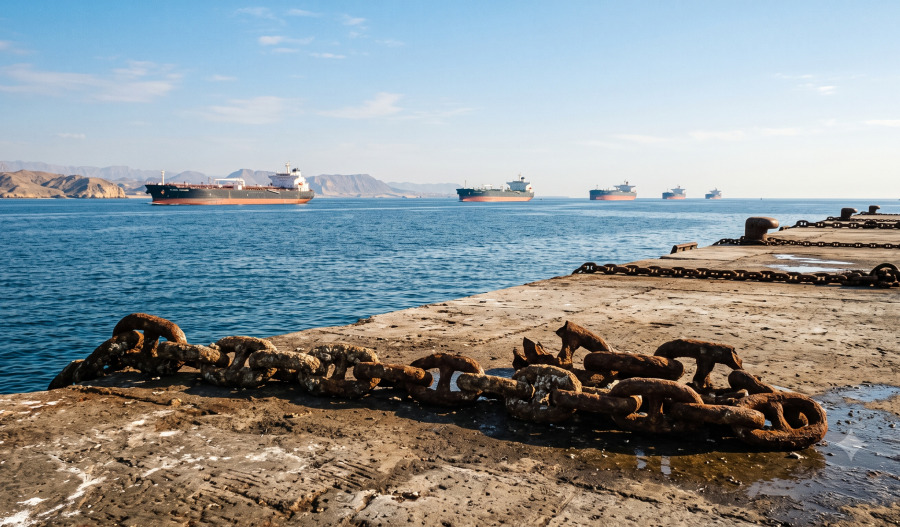
ANZ analysts said uncertainty surrounding shipping through the Strait of Hormuz continued to underpin risks for the oil market despite crude prices retreating to levels seen before the conflict.
"Trump announced that the U.S. would attend peace talks in Doha on Tuesday. That failed to assure ship owners that the risks of attacks have eased, and there was a noticeable drop in observed transits of the waterway over the weekend.
"Those concerns aren’t likely to be eased by reports that Iran is moving forward with plans to control maritime traffic through the strait, even without Oman.
"This is likely to delay the recovery of oil output from the Persian Gulf. Despite crude prices returning to pre-conflict levels and limited week-on-week price movement, underlying issues in the oil market remain.
"The divergence between crude weakness and product strength points to a structurally constrained refining system, suggesting continued support for crack spreads and downside protection for refinery margins, even amid lower crude prices."

Adding to market uncertainty, Iranian Deputy Foreign Minister Kazem Gharibabadi said Iranian and Omani officials would begin discussions in the coming days on redefining shipping routes through the Strait of Hormuz.
He added that Iran would seek to prevent vessels from travelling outside designated transit corridors.
However, Iran's Foreign Ministry continued to deny that formal negotiations with the United States had been arranged, with spokesperson Esmaeil Baghaei stating there would be no meetings between the two countries "at any level" in the coming days.
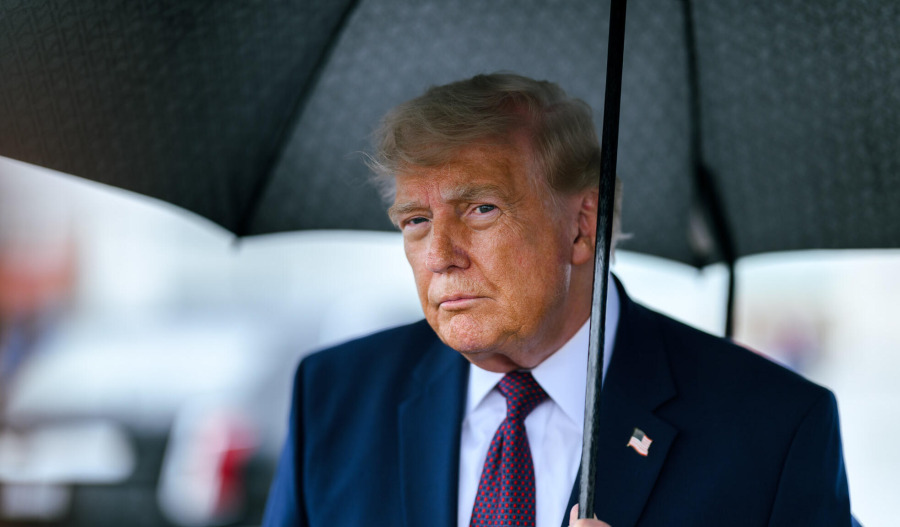
U.S. President Donald Trump also struck a cautious tone when asked about the proposed discussions.
"The meeting in Doha is going to be perhaps important, perhaps not. We're going to find out," Trump told reporters in the Oval Office.
The conflicting statements underscored the uncertainty surrounding the 17 June agreement to halt hostilities, which followed months of attacks that disrupted shipping through the Strait of Hormuz and created political pressure for Trump ahead of November's congressional elections.
Concerns over weaker demand from China also weighed on crude prices, with some analysts warning that slowing consumption from the world's largest crude importer could limit any sustained recovery in oil.
Despite the security risks, Middle Eastern producers have continued loading crude oil and liquefied natural gas cargoes, even after renewed attacks on commercial vessels in the Strait of Hormuz and fresh military strikes between the United States and Iran, according to Reuters, citing shipping data.