Oil prices rebounded in Asian trading on Tuesday, reversing sharp losses from the previous session as Iran denied holding talks with the United States, reigniting concerns over supply disruptions in the Gulf.
By 2:40 pm AEDT (3:40 am GMT) Brent crude futures rose $4.02, or 4%, to US$103.96 per barrel, while U.S. West Texas Intermediate (WTI) gained $3.33, or 3.8%, to $91.46 per barrel.
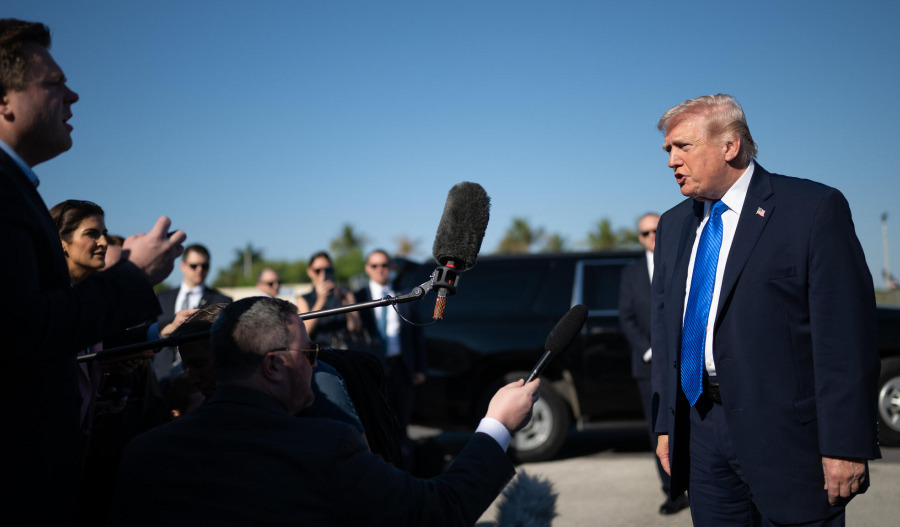
The gains came after Tehran rejected claims by President Donald Trump that negotiations were underway to resolve the conflict, contradicting earlier optimism that had triggered a steep sell-off in oil markets.
Crude prices had fallen more than 10% on Monday after Trump said he had ordered a five-day delay to planned attacks on Iran’s power plants and stated that the U.S. had held productive discussions with Iranian officials, yielding “major points of agreement”.
However, Iranian authorities dismissed the claims, describing them as an attempt to influence financial markets.
Iran’s Revolutionary Guards said they had launched new attacks on U.S. targets and labelled Trump’s comments as “worn-out psychological operations”.

Supply concerns remain elevated, with the conflict severely disrupting flows through the Strait of Hormuz, a critical chokepoint that handles roughly one-fifth of the world’s oil and liquefied natural gas shipments.
While two tankers bound for India reportedly transited the Strait on Monday, uncertainty over sustained access continues to underpin prices.
The conflict has also caused damage to key energy infrastructure across the region. Recent attacks reportedly struck a gas company office and a pressure-reduction station in the central Iranian city of Isfahan.
In response to tightening supply, the United States has temporarily waived sanctions on Russian and Iranian oil cargoes already at sea, aiming to alleviate shortages.
The International Energy Agency (IEA) is also monitoring the situation closely. Executive Director Fatih Birol said the agency is consulting with governments in Asia and Europe on potential releases from strategic reserves “if necessary”.
Meanwhile, oil executives and energy ministers meeting at a conference in Houston warned of the longer-term economic consequences of the escalating conflict involving the United States, Israel and Iran, although U.S. Energy Secretary Chris Wright sought to downplay the severity of the crisis.