Oil prices edged higher on Thursday, holding close to seven-month peaks as escalating tensions between the United States and Iran kept supply risks firmly in focus, although gains were tempered by a build-up in U.S. crude inventories.
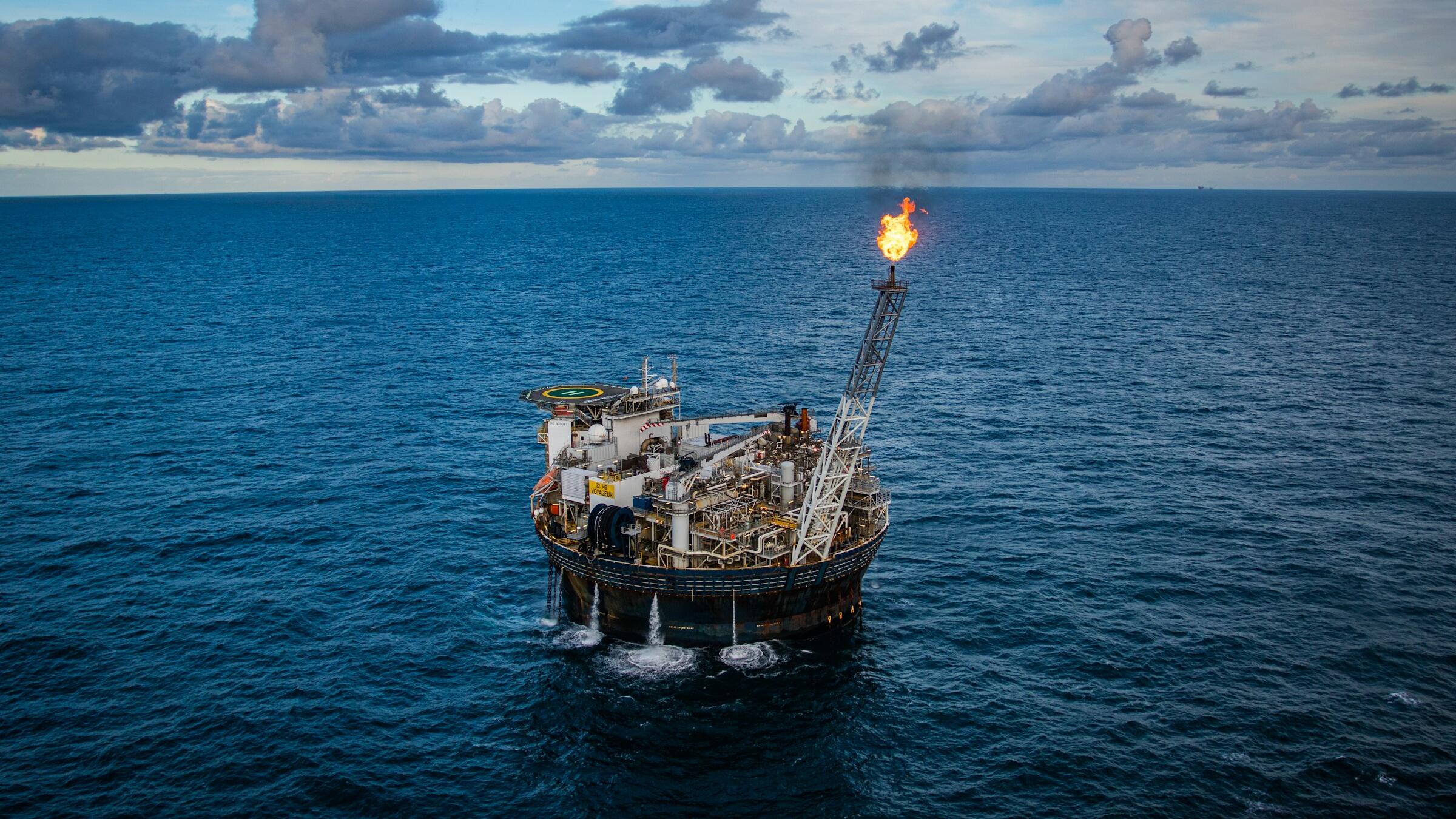
By 4:10 pm AEDT (5:10 am GMT) Brent crude futures for May delivey rose 21 cents or 0.3% to US$70.90 per barrel while U.S. West Texas Intermediate (WTI) crude added 16 cents or 0.2% to $65.58.
Earlier this week, Brent and WTI both climbed to their highest levels since 31 July, and have remained near those highs as Washington strengthens its military presence in the Middle East in a bid to pressure Tehran into curbing its nuclear and ballistic missile programmes.
U.S. envoy Steve Witkoff and Jared Kushner are scheduled to meet an Iranian delegation for a third round of talks in Geneva on Thursday, part of renewed diplomatic efforts to defuse the standoff.
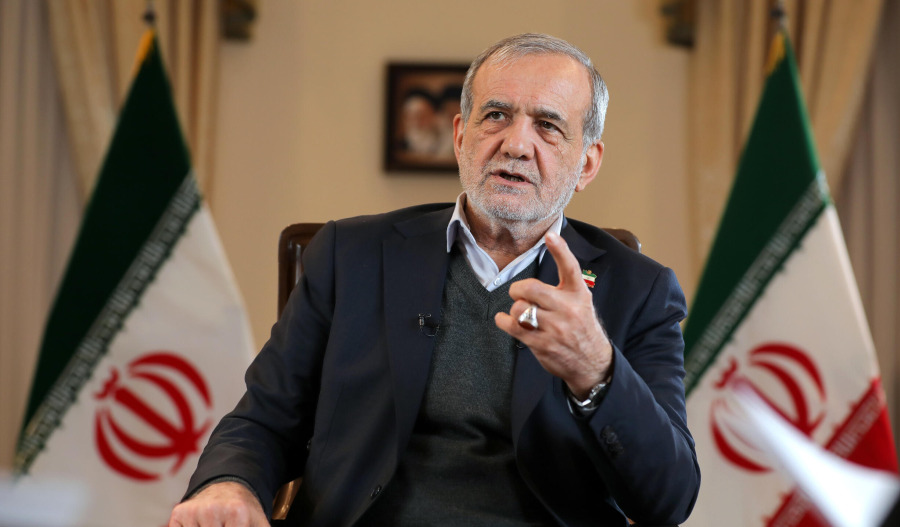
Analysts at ANZ said in a note to clients: “Earlier this week Iran’s Deputy Foreign Minister Takht-Ravanchi said the country is ready to take the necessary steps to reach a deal with the U.S.
"However, the U.S. continues to build the biggest military fleet in the region since the 2003 Iraq war. In his State of the Union address, Trump said Iran is working to constitute its nuclear program, adding to speculation that the U.S. is preparing for military action.”

An extended conflict could significantly disrupt exports from Iran, the third-largest crude producer in Organization of the Petroleum Exporting Countries (OPEC), and potentially impact other key Middle Eastern suppliers.
Iranian Foreign Minister Abbas Araqchi said earlier this week that a deal with Washington was “within reach, but only if diplomacy is given priority”.
In parallel, Saudi Arabia is increasing oil production and exports as part of a contingency plan in case any U.S. strike on Iran disrupts regional supply, to two sources familiar with the strategy told Reuters.
Meanwhile, OPEC+ — comprising members of OPEC and allies including Russia — is likely to consider raising output by 137,000 barrels per day in April.
Sources with knowledge of the group’s discussions said the move would position producers ahead of peak summer demand while also taking advantage of price support stemming from geopolitical tensions involving OPEC member Iran.
Limiting oil’s gains, U.S. crude inventories surged by 16 million barrels last week, the largest build in three years according to the Energy Information Administration, far exceeding the 1.8-million-barrel increase expected.