Iran’s president has expressed optimism over the prospects of renewed nuclear negotiations with the United States, as Tehran’s delegation departed for Geneva for a third round of high-stakes discussions.
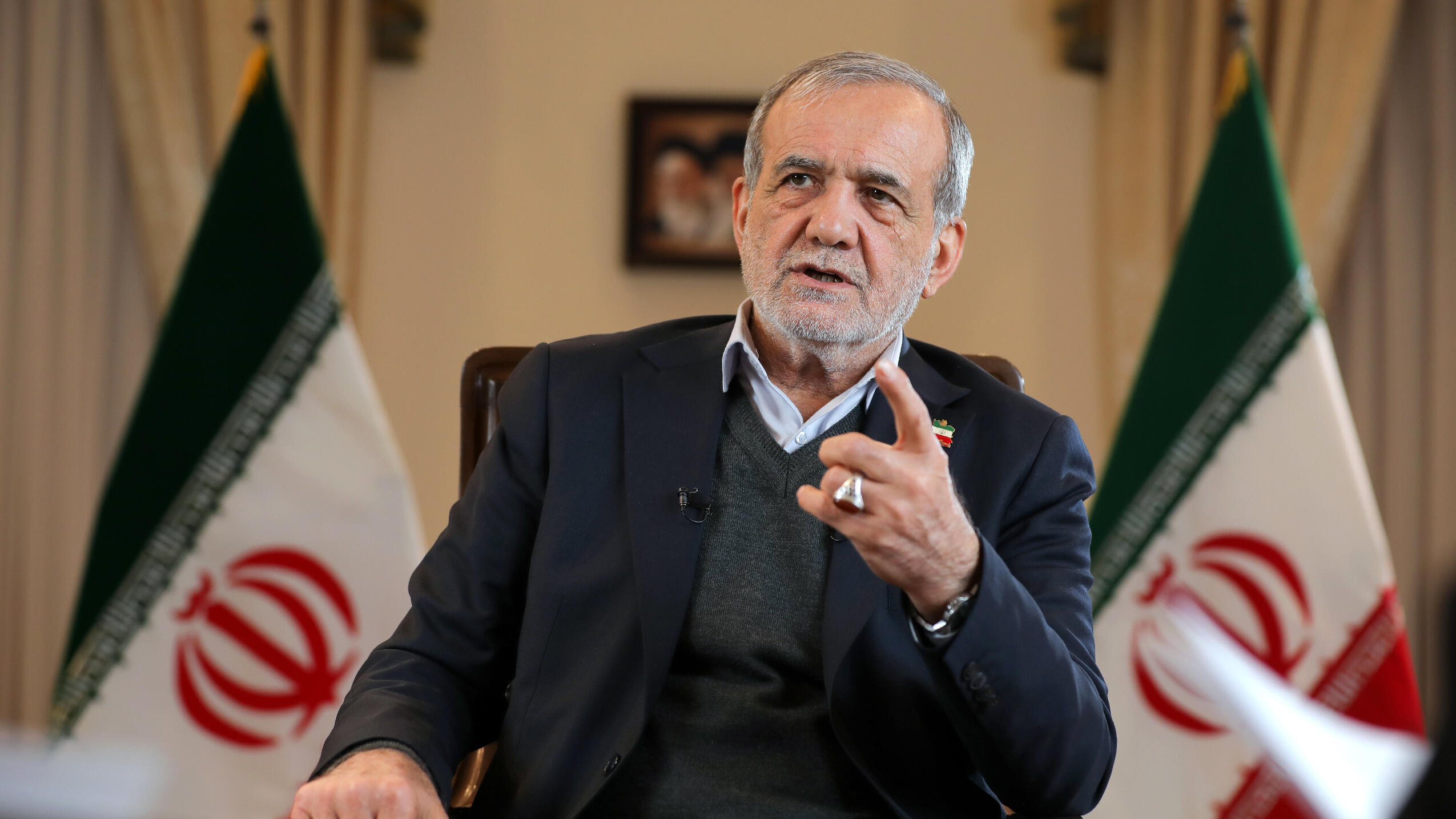
Masoud Pezeshkian said on Wednesday that Tehran sees the potential for progress in talks aimed at resolving the long-running dispute over its nuclear programme.
The negotiations resume amid heightened regional tensions and an expanded U.S. military presence in the Middle East.
A senior U.S. official said earlier this week that American envoy Steve Witkoff and Jared Kushner, son-in-law of Donald Trump, are scheduled to meet Iran’s delegation in Geneva on Thursday.
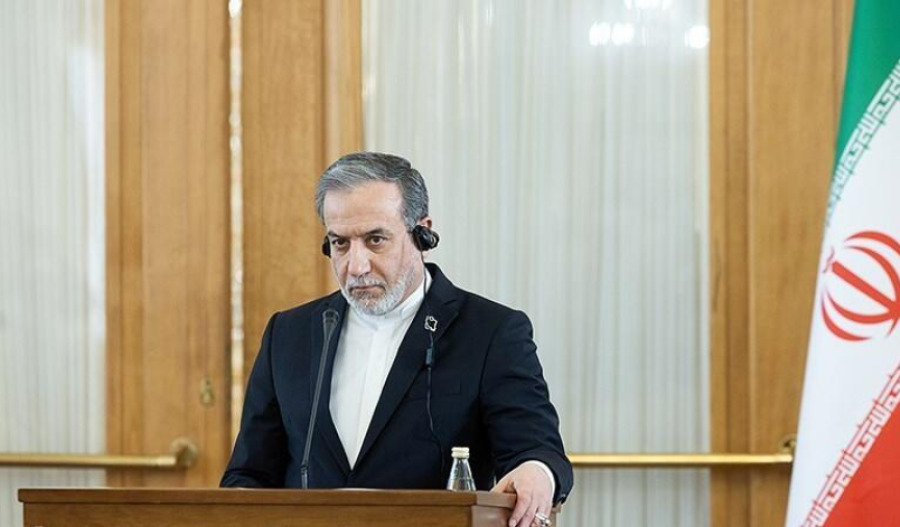
The Iranian team is being led by Foreign Minister Abbas Araqchi.
The renewed diplomatic push comes after Washington and Tehran restarted talks earlier this month following years of stalemate.
The United States has simultaneously increased its military capabilities in the region in preparation for possible strikes against the Islamic Republic, while Iran has warned it would retaliate against U.S. bases if attacked.
Trump said on 19 February that he was giving Tehran approximately 10 to 15 days to reach an agreement.

“In relation to the talks, we see a good outlook, tomorrow in the meeting that Dr. Araqchi will hold in Geneva... we have tried, with the guidance of the Supreme Leader, to manage this process to get out of the no war, no peace situation,” Pezeshkian said in comments reported by state media, cited by Reuters.
Araqchi struck a cautiously optimistic tone earlier in the week, stating that a deal with Washington was “within reach, but only if diplomacy is given priority”.
The nuclear dispute has long been a flashpoint between Iran, the United States and its regional ally Israel.
Washington and Israel maintain that Iran seeks to develop a nuclear weapon capable of threatening Israel’s existence. Tehran denies such ambitions, insisting its nuclear programme is solely for peaceful purposes.
However, Iran has enriched uranium to levels far exceeding those required for civilian power generation and approaching the threshold needed for a nuclear weapon.
The diplomatic efforts are unfolding against a backdrop of continued economic pressure from Washington. On Wednesday, the U.S. Department of the Treasury announced a fresh round of sanctions targeting more than 30 individuals, entities and vessels allegedly involved in facilitating Iran’s illicit petroleum sales, ballistic missile development and weapons production.
The Treasury’s Office of Foreign Assets Control said it had also taken action against several networks accused of supporting Iran’s Islamic Revolutionary Guard Corps and the Ministry of Defense and Armed Forces Logistics.
According to the department, these networks were involved in securing precursor materials and machinery required for ballistic missile and other weapons production.