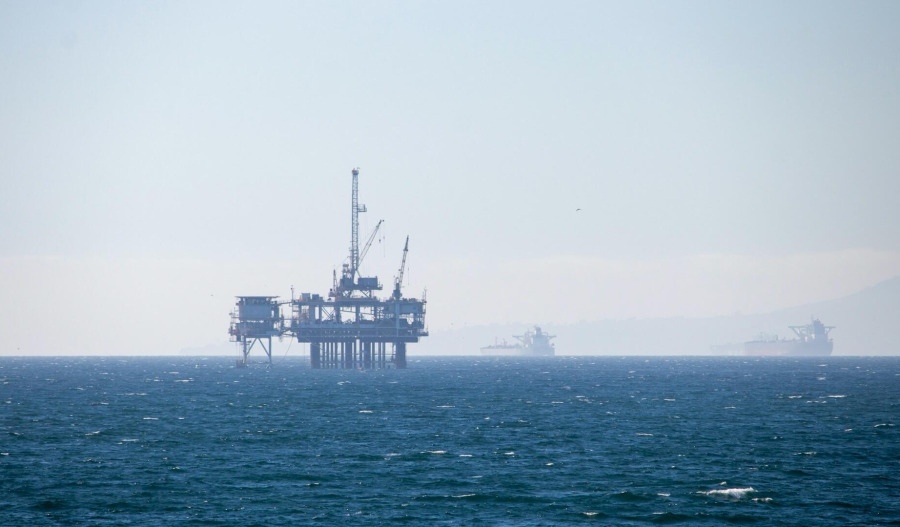
Oil prices were trading lower during Tuesday's Asian trade, as traders monitored risks of supply disruption after Iran launched naval drills near the Strait of Hormuz ahead of nuclear talks with the United States later in the day.
By 3:15 pm AEDT (4:15 am GMT), Brent crude futures were down 26 cents or 0.4% at US$68.39 per barrel, following a 1.3% gain in the previous session.
U.S. West Texas Intermediate crude traded 67 cents or 1.1% higher at $63.56 per barrel, though the move incorporated Monday’s price action as the contract did not settle due to the U.S. Presidents' Day holiday.
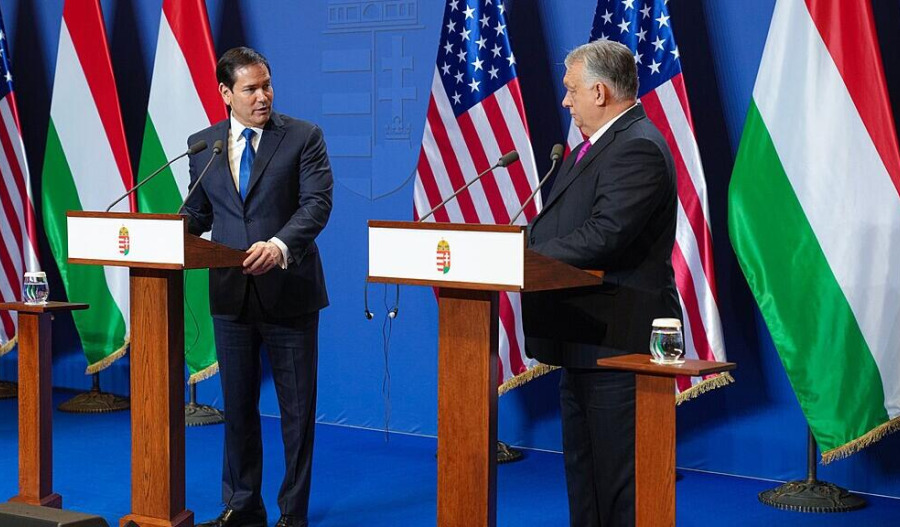
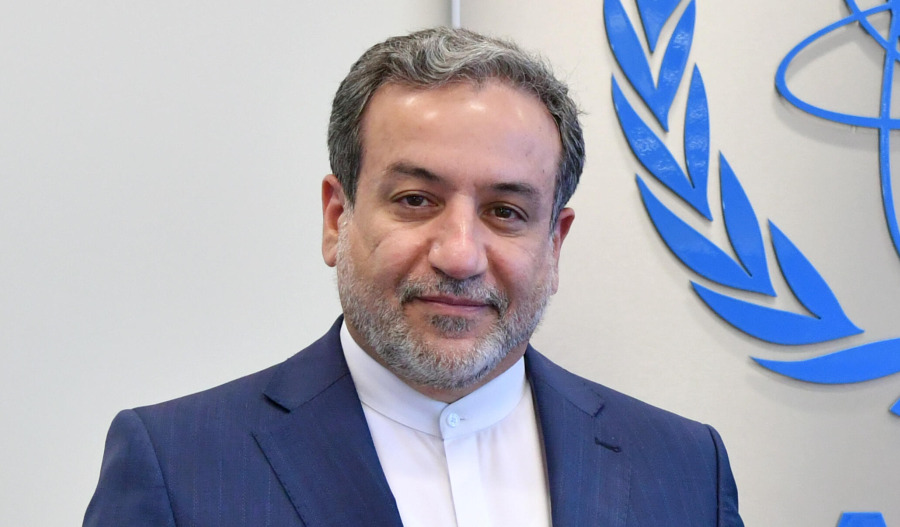
The renewed diplomatic push between Washington and Tehran comes against a backdrop of elevated geopolitical tension in the Middle East.
U.S. President Donald Trump said on Monday he would be involved “indirectly” in the Geneva talks and suggested Tehran was seeking an agreement.
"I'll be involved in those talks, indirectly. And they'll be very important," Trump told reporters aboard Air Force One.
Over the weekend, Trump also said that regime change in Iran "would be the best thing that could happen".
Iran began military exercises on Monday in the Strait of Hormuz, a critical shipping lane through which a significant share of global oil exports flows.

Gulf producers, including Saudi Arabia, the United Arab Emirates, Kuwait and Iraq, ship most of their crude via the strait, largely to Asian markets.
The manoeuvres have sharpened concerns over potential supply disruption at a time when traders are also monitoring negotiations over the war in Ukraine.
Several Asian markets, including mainland China, Hong Kong, Taiwan, South Korea and Singapore, remained closed on Tuesday for Lunar New Year holidays, leading to light trading conditions.
Analysts at ANZ said: "The market remains unsettled by geopolitical uncertainties, with investors cautious due to the pending U.S.-Iran and Ukraine negotiations this week. Speculative positions have been increasing in recent weeks.
"If tension in the Middle East eases or meaningful progress is made on the Ukraine war, the risk premium currently built into oil prices could swiftly unwind.
"However, any negative outcome or further escalation could prove to be bullish for the oil market, as this could narrow the market balance for the year."
Separately, analysts at Citi said that if disruptions to Russian supply keep Brent trading in a $65 to $70 per barrel range in the coming months, the OPEC+ group would likely respond by increasing output from spare capacity.
OPEC+ is reportedly leaning towards resuming output increases from April, Reuters reported, citing sources within the alliance, as producers prepare for peak summer demand.